
By Billy Mijungu
A conscious President, determined to transform a nation, must recognise that national security and economic prosperity are inseparable. The military must not only defend the territorial integrity of the Republic but also contribute strategically to building a productive, industrialised and self-reliant economy.
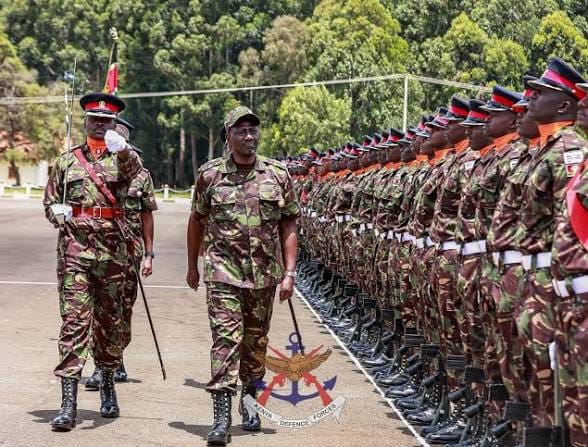
The Kenya Defence Forces (KDF) possess a unique combination of discipline, technical expertise, engineering capacity, logistical competence and institutional organisation. These are national assets that, if properly harnessed within a transparent legal and economic framework, can accelerate Kenya’s transformation.
Already, military personnel have participated in supporting critical national projects, disaster response, infrastructure development and emergency operations. However, Kenya must now move beyond occasional military involvement in development and embrace a more deliberate model of civil-military economic cooperation.
It is time to build a Kenyan Military Industrial Complex.
A modern military industrial complex need not mean the militarisation of the economy. Rather, it should represent a strategic partnership between the KDF, universities, research institutions, local manufacturers, technology companies and private enterprise to develop domestic industrial capacity.
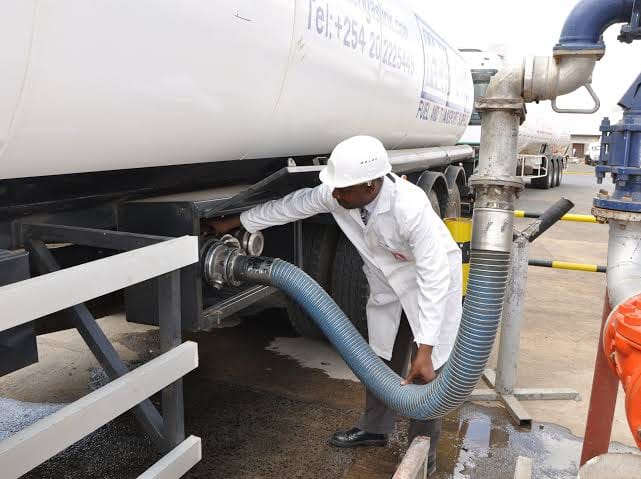
Imagine a Kenya where military engineering expertise supports the construction and maintenance of roads, bridges, dams and strategic infrastructure. Imagine military technical institutions working with local industries to manufacture machinery, vehicle components, protective equipment, communication systems and other essential supplies that Kenya currently imports.
Consider the possibilities in agriculture, renewable energy, aviation maintenance, digital technology, logistics, construction and disaster management. Military expertise in these sectors could stimulate innovation, create skilled employment, strengthen local supply chains and reduce dependence on foreign suppliers.
The opportunity is enormous. A disciplined force of tens of thousands of personnel represents a substantial reservoir of skills, leadership, operational experience and technical knowledge. Properly deployed through specialised civilian partnerships, these capabilities could support national development without compromising the KDF’s primary constitutional responsibility of defending the country.
Kenya should therefore establish a clear military industrial development framework that identifies priority sectors, encourages research and development, supports local manufacturing and creates pathways for veterans to transfer their skills into civilian enterprise.
Such a framework must be governed by parliamentary oversight, transparent procurement, independent auditing and strict safeguards against conflicts of interest. Commercial activities must remain within the law, protect public resources and avoid unfair competition with private businesses. The military must complement the private sector, not displace it.
Ultimately, the objective is to convert national security capabilities into national economic strength. Every locally manufactured component, every technology developed, every skilled technician trained and every strategic import replaced represents progress towards economic sovereignty.
Kenya does not lack talent, ambition or institutional capacity. What we require is a deliberate national vision that connects these assets to productive enterprise.
The KDF can be more than the shield of the Republic. Through innovation, accountability and strategic industrial partnerships, it can help build the economic engine that empowers the Republic.
A secure Kenya must also be a productive Kenya. A sovereign nation must possess not only the capacity to defend itself, but also the industrial strength to sustain its prosperity.
Forward. Tusonge Mbele. Change is possible.