By Anderson Ojwang
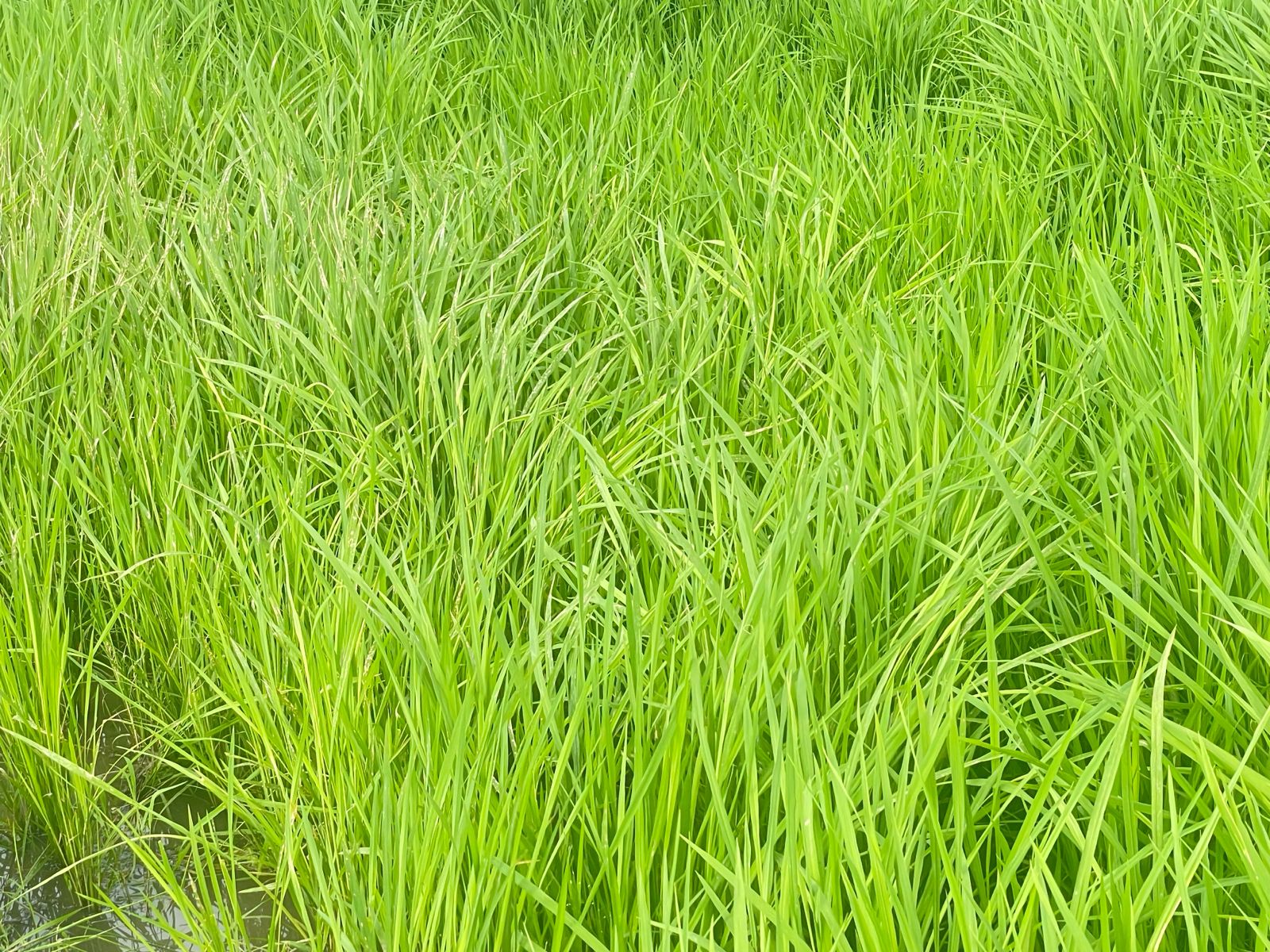
The rice schemes in Western Kenya are capable of meeting the country’s annual demand of one million metric tons and to allow the country to export the product to international markets.
The rice schemes include Lower Nzoia, Lower Sio, East Kano, West Kano, Ahero and Kuja, which have benefited from ultra-modern irrigation infrastructure from the World Bank’s multi-billion financial support.
The Government had envisaged that by 2032, the country would stop the importation of rice once the various infrastructures become operational for rice production.
This can only be achieved if the government put into productive agricultural use of 380,000 acres in the region to produce one million metric tons.
Kenya’s annual rice consumption is estimated to be over one million metric tons, while local production is around 230,000 metric tons, resulting in a significant import dependency.
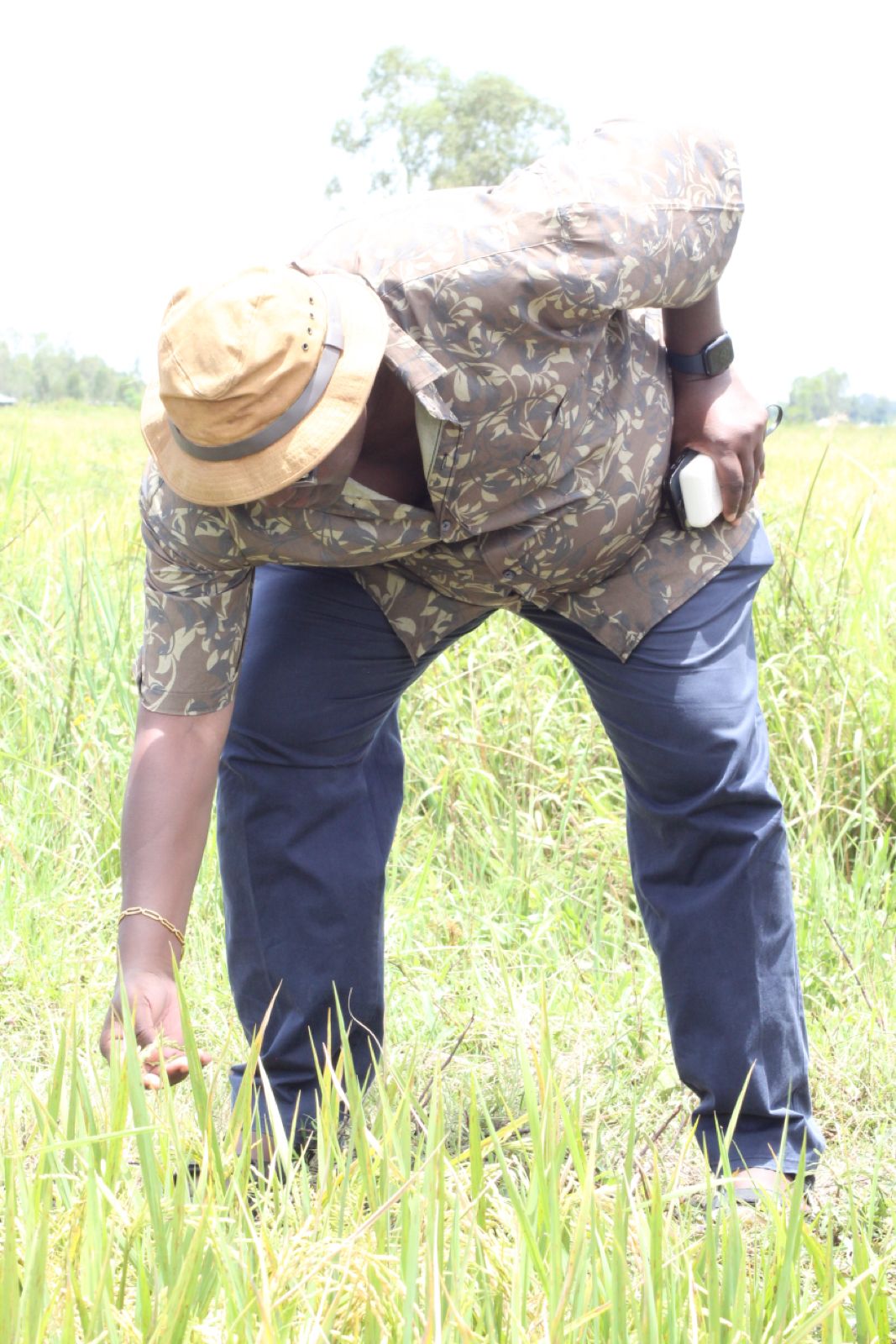
Former Alego MP and Entrepreneur Mr. Sammy Weya said studies have shown that Nyanza and Western have enough land to produce the annual rice production demand in the country and this would spur economic growth in the country.
He said through the World Bank-supported rice infrastructural irrigation facilities under the National Irrigation Board (NIB), the region has what it takes to maximize on the rice production in the region.
“World Bank has supported with Sh. 100 B for the construction of rice irrigation infrastructure. With this kind of facility, Western Kenya is capable of revolutionizing its economy from just one crop, the rice,” he said.
Currently, the country imports I million metric ton of rice from India and Pakistan at a value of USD .483 million, which is enough to change the economy of Western Kenya.
“ I am concerned about the quality of rice imported into the country because it comes from the food strategic reserves of these countries and may have stayed longer and be fit for human consumption.
If the government invested in rice farming in Kenya and especially in Western Kenya, it would be able to address the issue of poverty and save money inform of foreign exchange.
If we can tap into the rice sector and ensure the country doesn’t spend billions in rice imports but use that money for local production, we shall have opened the Western Kenya economy,” he said.
He said Kenya has the capacity to export rice to the international market if the existing economic opportunities are explored and exploited.
Komboka’ rice variety, introduced in both Mwea and Bura rice irrigation schemes a while back, is one of the varieties that is showing promise for farmers and has seen them harvesting between 38 to 50 bags per acre compared to the old Basmati rice, which a farmer gets about 25 kgs per acre.
For instance, on one acre of a rice farm, the framer would spend an input of Sh 72,500 to produce 3 tons, of puddy rice which is equivalent to 1,140,000 tonnes of rice one season per year. If we plant twice ,we will double and export. A kilogram of rice is sold at Sh 52, and the farmer would make a profit of Sh 82,500 per first harvest and make the same in the second harvest and earn Sh 183,000 in a year on an acre under rice plantation.
Weya said that to make it more profitable and economically viable, the fingerlings can be introduced in the rice farms as it is practiced in Indonesia and Malaysia.
“This will make Western Kenya to have a huge potential to make animal feeds from the by-products the rice bran, sunflower seed cake, soya seed cake and cotton seed cake, which are the main ingredients for animal feeds.
Currently, Kenya imports animal feeds from Uganda and Tanzania, making it expensive for local farmers, yet these can be produced locally to spur various economic activities,” he said.
He said the flooding of the local market by cheap imported rice was hurting the local production. Imported 50 kg of rice retails at Sh 4,500 while the locally produced one is costing Sh 6,000, which translates to Sh 120 per Kg
“Our locally produced rice may appear expensive, but it is the best quality and has never overstayed in the stores like the imported ones. If they were to import the freshly produced rice from these countries, the prices would be supersonic high,” he argued.
He said the government must protect local rice farmers and investors from unhealthy competition by instituting policies that encourage investment in the sector.
“The government should protect the farmers and investors as opposed to supporting foreign farmers.
The government should support private investors with revolving funds to pay farmers, which should be managed by a private investor and not the government.
If the government would inject Sh 2 B into the kitty for payment of rice deliveries, within three years, the country will be able and sustain rice production and be able to export rice,” he said
Weya said the government should train farmers, give grants to rice farmers, aggregate farms into blocs of 500 hectares and use new technology to enhance production.
“The government must adopt modern farming equipment and methods, which include planters, drones for spraying organic fertilizers, land levelling machines, and combine harvesters to fully mechanise rice farming.
The equipment should be available for hire by farmers through a management service at a subsidized rate.
The government should work with KALRO to get improved rice seedlings and enforce strict rules on the quality of rice imported into the country,” he said.
Weya said that regarding marketing, the government should make a deliberate directive that all school feeding programs consume locally produced rice.
“Let all health and education institutions in the country consume our locally produced rice. This is the best way to open the local market for our rice and reduce high capital flight on rice importation,” he said.