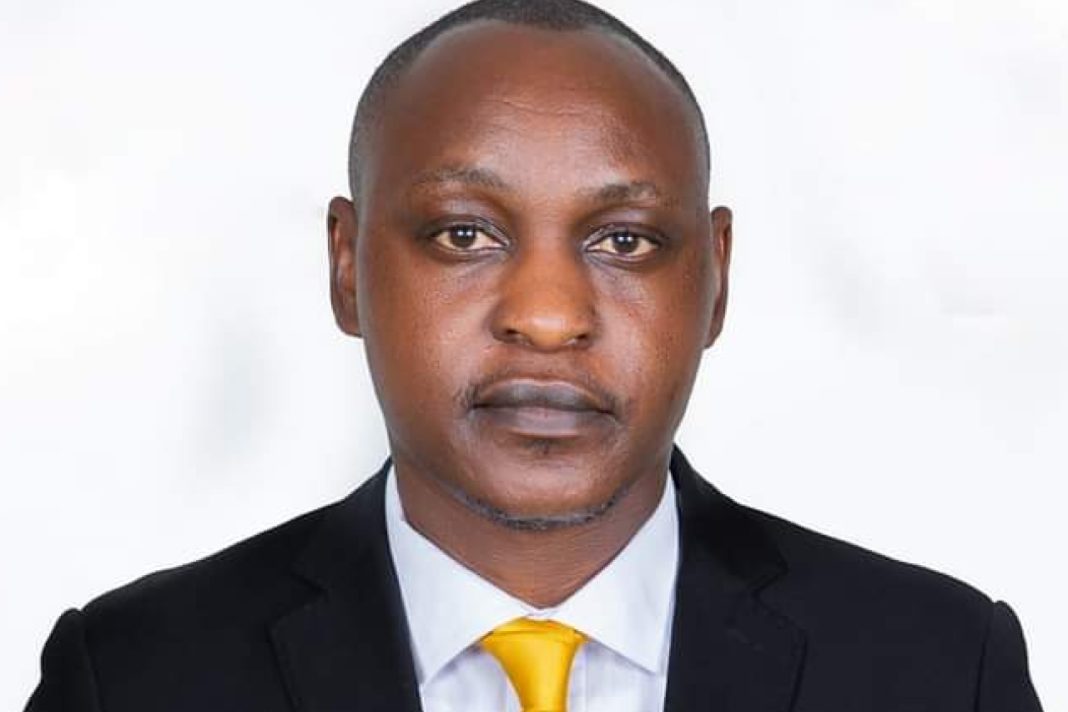
Dr.Edris N.Omondi
(Advocate)attorneyedris@ywcg.org
“To everything there is a season, a time for every purpose under heaven: A time to be born, and a time to die; A time to plant, and a time to pluck what is planted; A time to kill, and a time to heal; A time to break down, and a time to build up.” – Ecclesiastes 3:1-3The timeless wisdom of Ecclesiastes reminds us that there are seasons in life, seasons experiencing the seven years of drought and seasons experiencing abundance.
Just like the ants, in summer they hunt for food and in winter they eat what they reserved in their store house. The principle is simple, and well under stood in the animal kingdom-we can expect constructive development amidst continuous political hubbub. Kenya is at a cross road. The society is bruised, afflicted and wounded craving for a time to heal.
These wounds are not just the effects of political battles but also the frustrations of generations that have grown disillusioned with leadership, governance, and society as a whole. It is a time to confront these challenges head-on and not to shy away from them.There is an epic story from Kenya’s past that serves as both a cautionary tale and a hopeful symbol of what can be achieved when a nation comes together to heal. The post-independence struggles in the 1960s were marked by deep political divisions and wounds, where the ambitions of a few overshadowed the collective good.
It was only when leaders began to listen to the cries of the people, when systems were put in place to address deep societal needs, that Kenya was able to chart a more peaceful course for development. Yet, history seems to repeat itself, as political machinations once again take center stage, overshadowing the struggles of ordinary Kenyans and deepening generational divides.The Current State of Division Kenya stands at a pivotal moment in its history, a nation at the crossroads of political upheaval, societal discontent, and generational divides.
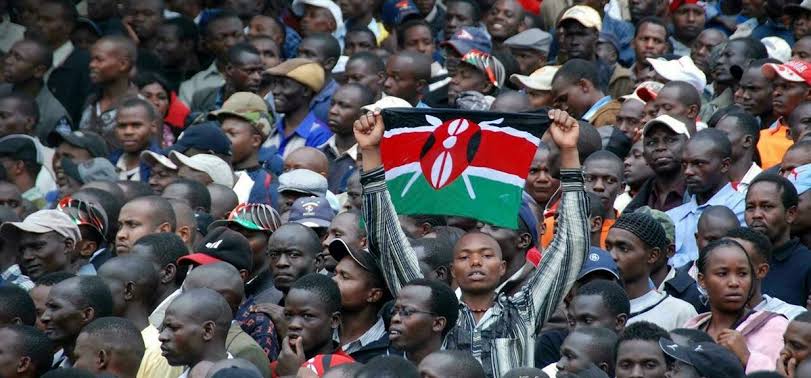
The political machinations that dominate the national discourse seem to overshadow the fundamental needs of society, leaving a fractured nation in its wake. The rise of Generational Z—the young people who have witnessed years of political mismanagement, corruption, and social inequality—has created an atmosphere of disillusionment and distrust in the political class. The political elite, consumed by their own ambitions and squabbles, appear detached from the realities of the youth who seek meaningful change.This generational divide has resulted in a fractured society, with the younger population increasingly turning away from traditional forms of political engagement. Fighting their disquiet from the comfort of their homes through the social media platforms.
The anger and frustration simmering in the hearts of young Kenyans have created a potent mix of discontent, with calls for radical change and, in some instances, revenge against a political system they feel has failed them. However, the approach to solving these deep-seated issues by some individuals and groups—through unconstitutional means—only threatens to further destabilize the country, risking an even greater societal fracture.As the political class continues to fail in providing the vision and leadership that Kenya so desperately needs, it is essential to find solutions that allow this divided nation to heal and begin the path toward unity.
Politics, while a critical aspect of the nation’s governance, cannot be allowed to hijack the core functions of society. The role of political elites should be to serve and address the needs of the people, not to stoke division and perpetuate a cycle of conflict.Remedying the Disconnect: Separating Politics from Societal Realities.The current situation demands a national conversation about the role of politics in society. One of the most urgent tasks in healing the country is to find a way to separate the political discourse from the fundamental societal needs and functions that will drive long-term progress. There are several ways this can be achieved, and the lessons learned from other nations offer valuable insights into how Kenya can begin to heal.
Fostering Dialogue Between the Political Class and SocietyFirst and foremost, a platform for open and honest dialogue must be established. Politicians and youth alike must come to the table to discuss the real issues affecting society. This cannot be a one-sided conversation, but a forum for genuine engagement. Leaders must be willing to listen to the frustrations of young Kenyans, understand their concerns, and acknowledge the failures of past governance. At the same time, young people must be ready to engage in a constructive dialogue that doesn’t merely seek to tear down the political system, but to propose workable solutions that meet their needs
.The example of South Africa after apartheid shows that national healing can begin with transparent, inclusive dialogue. The Truth and Reconciliation Commission (TRC) helped a deeply divided society begin to address the wrongs of the past, acknowledging the pain while offering a path forward. Similarly, Kenya must have a “truth commission” for the political and social missteps that have led to the current disconnect, allowing both sides to reflect, apologize, and seek a shared way forward.Youth Engagement Through Education and Economic OpportunitiesOne of the most critical ways to heal the rift between the political elite and the youth is by offering economic opportunities that empower the younger generation. In countries like Germany, the government has invested in vocational training, skills development, and apprenticeships as a means to equip young people with the tools needed for a stable career.
The German model of fostering youth employment is one Kenya can replicate, as it addresses the systemic issues that contribute to disillusionment—lack of opportunity and financial insecurity including providing tax incentives and holidays to companies founded by young persons.In addition to vocational training, young people in Kenya must have access to platforms where they can express their political and social views in a constructive manner. This can be achieved through student unions, youth councils, and community organizing, which would allow the youth to understand how they can influence societal change through peaceful means, without resorting to violence or unrest.Reforming Political Institutions and Practices political institutions in Kenya, much like those in many developing nations, are often marred by corruption, inefficiency, and a lack of transparency.
This creates a toxic environment where politics becomes a game for the elite, and the masses are left to suffer. However, institutions in countries like South Korea have undergone significant reforms, particularly in terms of electoral transparency and political accountability. By implementing robust anti-corruption frameworks, ensuring that electoral processes are free and fair, and creating greater checks and balances, Kenya can begin to rebuild trust in its political institutions.Politicians in Kenya must shift from focusing on personal power struggles to prioritizing the needs of their constituencies. In countries like Finland, there is a strong tradition of public service, with elected officials seen as stewards of public interest rather than political opportunists.
By emulating such models of governance, Kenya can restore the integrity of its political institutions and bridge the gap between the political class and the general populace.Empowering Civil Society and Media to Promote Accountability.A healthy society requires active participation from civil society organizations (CSOs) and a free, independent media. These institutions have the power to hold both the political class and the youth accountable. Countries like Canada have a thriving civil society that plays a key role in ensuring that the government remains transparent and responsive to the needs of the people. Civil society can help mediate between the political class and the youth, serving as a bridge for dialogue and a voice for those who have been marginalized.The media, too, plays a crucial role in shaping public discourse.
However, Kenya’s media often becomes a battleground for political narratives rather than a space for informed debate. By creating a media environment that prioritizes factual reporting and diverse viewpoints, Kenya can empower its citizens, especially the youth, to engage with politics in a meaningful way. This would reduce the space for radicalized political narratives and foster a more nuanced understanding of the challenges facing the country.
International Examples: Best Practices for Political and Societal Separation looking beyond Kenya, there are examples from around the world that show how politics can be separated from the day-to-day functions of society while promoting national healing and development.New Zealand, with its culture of inclusion and respect for the rule of law, is an example of a nation where political discourse has not overwhelmed societal functions. The country’s government and political system are built on values of fairness and equality, ensuring that policy decisions are made for the benefit of the entire population, not just political elites.Denmark provides a model for strong democratic governance, where political competition is healthy but doesn’t disrupt the nation’s commitment to social welfare.
Denmark’s approach to ensuring that society functions smoothly, despite political rivalries, is rooted in a strong public sector that prioritizes education, health, and economic opportunity for all.Chile’s recent focus on constitutional reform and a commitment to moving past decades of authoritarian rule demonstrates that societal healing can occur through inclusive dialogue and transparency. The focus on strengthening democratic structures allowed the country to prioritize social cohesion over divisive politics.Moving Forward: A Call for Healing and Unity.
For Kenya to heal from its current state, both the political class and society must engage in a collective effort to rebuild trust and create a shared future. Politics must be placed back in service to society, with policies and practices that prioritize the welfare of the people, especially the youth. By focusing on dialogue, inclusive economic opportunities, political reforms, and empowering civil society, Kenya can begin to mend the societal fractures that have become so pronounced in recent years.The path to healing will not be easy, but it is not impossible.
Kenya can learn from countries that have successfully navigated similar challenges and emerged stronger, and with the right leadership, we too can rebuild a united, prosperous nation for future generations. The time to act is now, and healing must start with understanding, engagement, and a commitment to serving the greater good.
(Dr. Edris Omondi is a Preacher, Social Thinker, Mentor, Writer, Author and a Public Motivational Speaker)