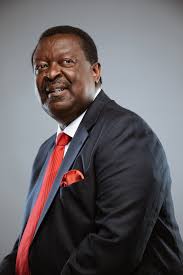
BY OPCS PRESS SERVICE
HOMA BAY – Prime Cabinet Secretary Musalia Mudavadi has raised concerns over the status of garbage collection in counties, terming it a persistent crisis that requires urgent intervention.
Mudavadi said investigations have pointed to shadowy cartels and corruption networks that siphon public funds through inflated contracts, ghost workers and illegal dumping.
In some areas, criminal gangs are said to have turned public roads into unauthorised dump sites, converting waste into a lucrative illicit enterprise while exposing communities to toxins and insecurity.
In some instances, Mudavadi regretted that private collectors charge exorbitant fees but deliver sub-par services, often with kickbacks to officials.
“This is not mere inefficiency; it is a betrayal of public trust, where the fruits of devolution are diverted from the people to private pockets,” he said, in his remarks during the Devolution Conference 2025 in Homa Bay County.
Twelve years into devolution, Mudavadi noted that heaps of uncollected waste blight urban and rural landscapes, posing severe threats to public health, the environment and our national dignity.
“The Auditor General’s findings echo this, revealing billions spent on waste management, yet numerous streets remain filthy, raising the burning question: Who is profiting from this garbage while our counties drown in filth?” Mudavadi questioned.
“Let us look at this area carefully, garbage is big business, you all know it and your experts have told you about it, the question is who is benefiting from this big business. Are we all losing, that also a pose to our leadership, as we review our twelve years of devolution.” said Mudavadi.
He added: “Garbage collection remains a persistent crisis across the vast majority of our counties, a stark reminder that devolution’s promise of improved service delivery is yet to be fully realised in this critical area.”
The PCS said that amid this crisis, opportunities abound to turn trash into treasure, creating jobs for our vibrant youth and fostering sustainable development.
He said investors have proposed innovative solutions, such as converting organic waste into fertiliser or generating electricity via waste-to-energy plants, adding that he has made such proposals to certain counties.
Mudavadi, however, regretted that bureaucracy often prevails, red tape, delayed approvals and misplaced priorities stall these ventures, leaving garbage unmanaged and youth unemployed.
“Imagine the transformation: youth-led cooperatives sorting recyclables, powering homes with refuse-derived fuel and fertilising farms with nutrient-rich compost, closing the socio-economic divide one innovative project at a time,” he noted.
The PCS said the looming danger of hazardous waste management, which exacerbates the crisis and threatens our health and ecosystems, cannot be ignored.
Even worse, medical, electronic, and industrial wastes are often dumped indiscriminately and pose risks of toxic contamination.
To this end, he said counties must invest in dedicated treatment plants, enforce e-waste recycling and train communities on safe handling.
He was concerned that failure to act invites disasters, soil pollution, respiratory diseases, and biodiversity loss, which disproportionately burden the marginalised.
He stated that the challenges demand bold, innovative responses, even as he made proposals to introduce performance parameters in the revenue-sharing framework, within the Equalisation Fund, to reward counties that achieve clean, functional garbage systems.
“Why not expand the Fund’s parameters to environmental stewardship? Counties demonstrating high waste collection rates, recycling targets, and reduced pollution, verified through independent audits, could receive bonus allocations of their equitable share, to fund further green initiatives?” he proposed.
On the other hand, Mudavadi said persistent underperformers could face disincentives, such as withheld funds redirected to national clean-up efforts or mandatory technical assistance.
“This carrot-and-stick approach, inspired by successful models in other countries where performance-based grants have revolutionised waste management, would spur competition for excellence,” he noted.
“Perhaps the one county that really steps out and is able to demonstrate that they are managing this particular challenge well should maybe be considered in the recognition process and through proper legislation benefit from an elevated allocation during the revenue sharing mechanism.” the Prime CS further proposed.
He proposed that recognition awards, like a “Green County of the Year,” could celebrate leaders who prioritise sustainability, inspiring others.
By rewarding innovation and sanctioning neglect, he said the country will align devolution with equity and justice, ensuring cleaner counties, healthier citizens, and empowered youth.