
By Erick Otieno
Gender activists in Migori County have started the process of reintegrating into society girls who escaped female genital mutilation (FGM) among the Kuria community, as schools are set to reopen for the academic calendar next week.
From November this year, the Bwirege clan in the Kuria region, cutting across both Kenya and Tanzania, started the circumcision period, forcing several girls to flee their homes to avoid the cut.
At Komotobo Maranatha Mission in Kuria East Sub-County, 120 girls have been seeking shelter at the facility for the past two months after being rejected by their parents.
Activists said the girls will be safe at the shelter until January 5, when schools reopen, as they are certain the circumcision period will be over.
“But most of these girls have been rejected by their families, and with schools set to reopen next week, we have started the process of counselling to ensure they are back with their families to continue with their education,” said Benter Odhiambo, Coordinator at Micontrap Kenya.
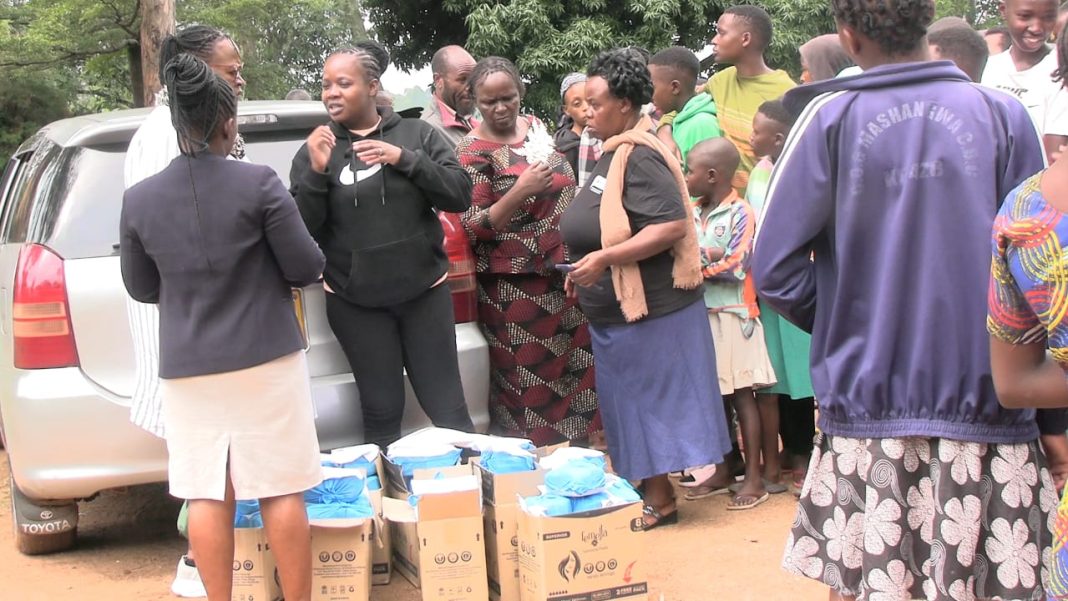
She was speaking on Tuesday when the organisation organised a donation of food and toiletries to the girls before holding a bonding and counselling session with them to celebrate the festive season.
She said activists from the region are working to ensure there is 100 per cent transition in education, which is the main challenge they face immediately after circumcision.
“Once circumcised, girls are considered mature and ready for marriage, or they start engaging in sex and marrying early, which leads to low rates of returning to school,” she said.
Already, counsellors have started engaging parents and guardians of the girls at the rescue centre to allow them to return home and resume schooling.
Denis Marwa, the centre manager, said that since 2007 they have opened their doors to fleeing girls, as the region lacks a government-owned rescue centre, and they have continued to receive girls escaping circumcision, with some coming from as far as Tanzania.
“We have girls whose parents were arrested and are undergoing the judicial process, while others have outrightly rejected any attempt for them to return home, which will affect their education,” Marwa said.
He said that at the centre, they have been training the girls in life skills and linking them with role models — other girls who fled earlier and are now either married, professionals or still in school — to encourage them.
“We will have to release them back to their families in one way or another because schools are set to open. We have created a team of elders, church leaders and family members to ensure they are reintegrated,” he said.
Colleta Bwahi, Micontrap Kenya Chief Executive Officer, said they will ensure they obtain data from schools and public administration on transition rates.
The three called on the government to help build a rescue centre that will provide girls with a longer and safer environment when they flee FGM.
They said that for over two decades, calls by activists to establish such a centre have been met with no action from the government and elected leaders.