
By Anderson Ojwang
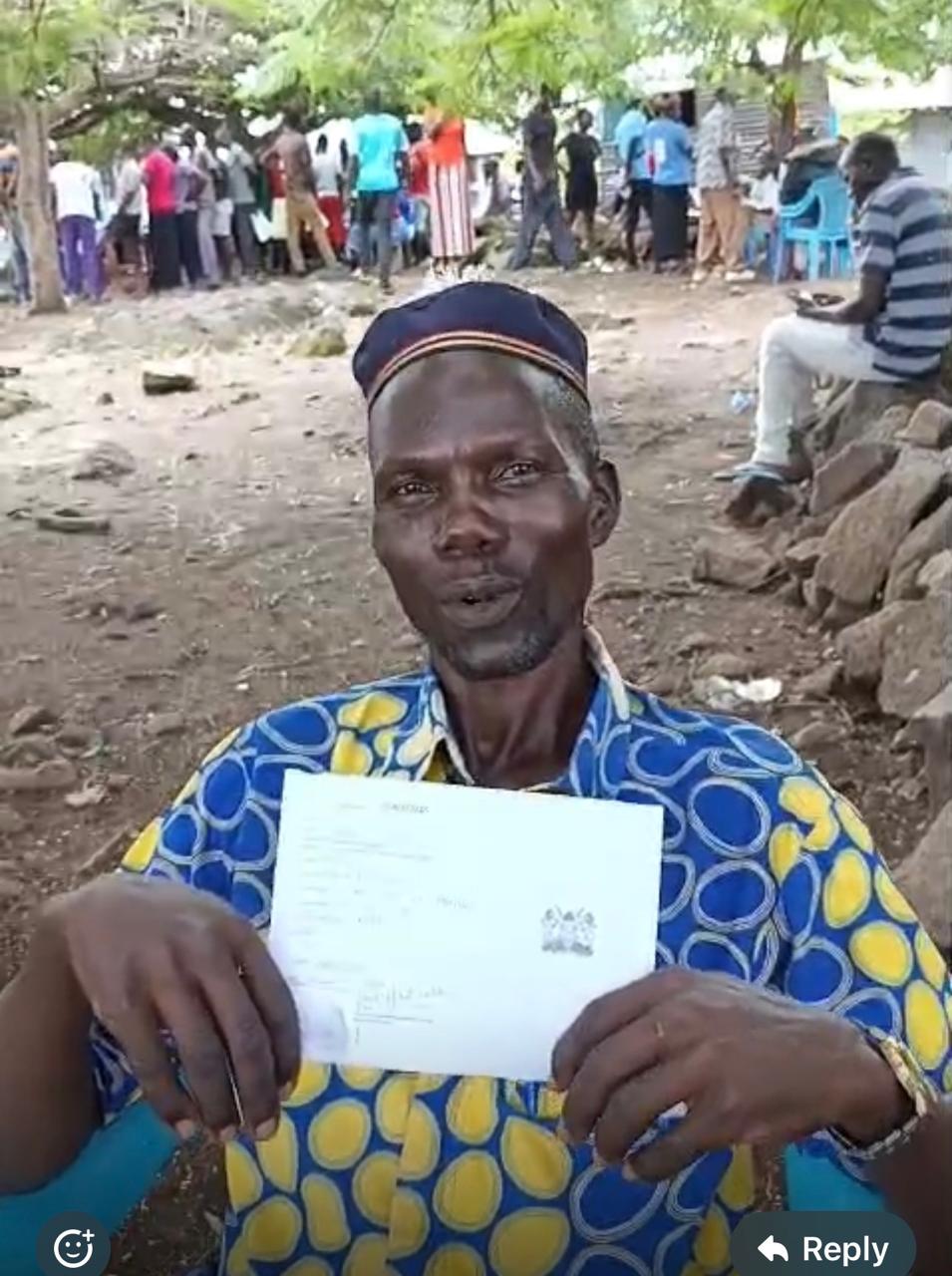
For the last 24 years, one Jared Onyango Opollo, a resident of Remba Island in Lake Victoria, has made several unsuccessful trips to the provincial administration offices in search of one vital document: the national identity card.
Onyango, a 42-year-old fisherman, has for two decades contended with harassment from Uganda police who frequently patrolled the lake and the island.
Enthralled, Onyango thanked the government of President William Ruto for the initiative and for helping rewrite his story from stateless to Kenyan.
“It has not been easy for me. When you don’t have an identification, you are stateless and you cannot transact. I had to contend with frequent harassment over lack of a national identification card. This is a dream come true,” he said.
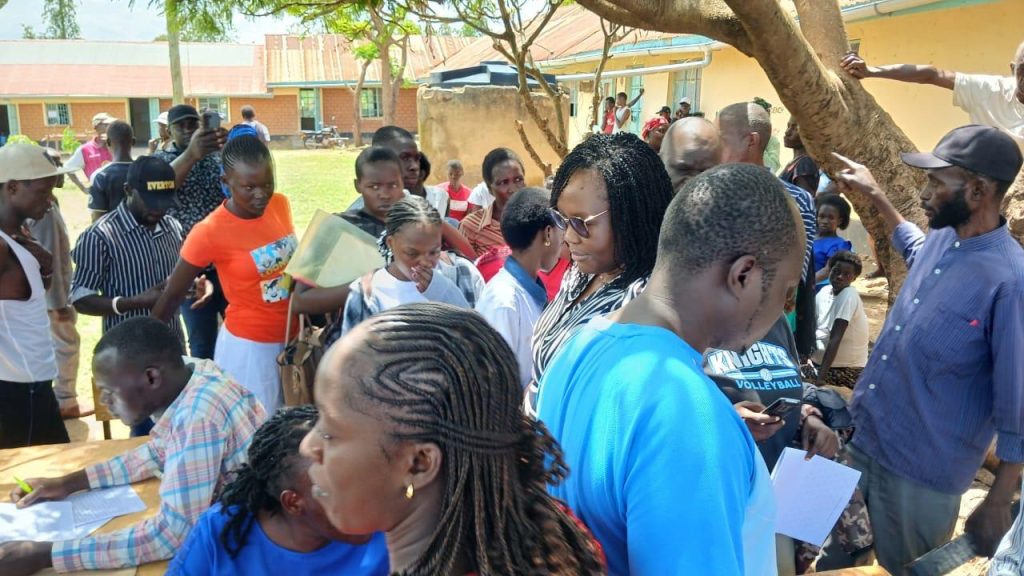
Onyango was one of the 300 beneficiaries of the national identity card issuance initiative programme by the Ministry of Internal Security and Administration, spearheaded by Permanent Secretary Dr Raymond Omollo.
The initiative also witnessed 56 residents of Remba Island register with the ongoing mass voter registration by the Independent Electoral and Boundaries Commission (IEBC).
From Remba Island, the initiative will now move to Migingo and Kiwa Islands, where for decades the residents have yearned for IDs.
Dr Omollo’s ambitious idea
In a move aimed at addressing the constant lack of vital documents such as the national identity card among Kenyans, and specifically in Nyanza, the government rolled out a programme to support acquisition.
This was one of President William Ruto’s initiatives to enable every Kenyan to acquire a national identity card and to register as a voter.
In Homa Bay County, Omollo opted for the services of Lavender Ojala, who has a huge network in the region, to coordinate and spearhead the programme.
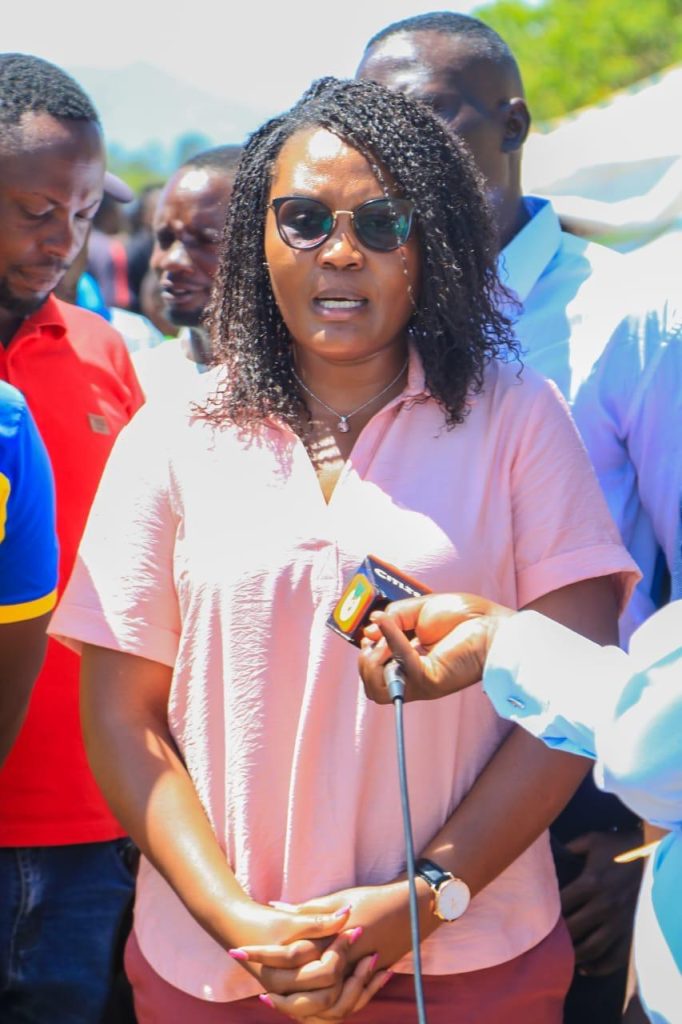
“The initiative of the ID drive in Nyanza was PS Omollo’s brainchild, and I was assigned to help in the coordination because the exercise required a lot of effort and time commitment,” she says.
Ojala says her focus was mainly in Homa Bay County because she understood the terrain and also had solid networks in all the sub-counties, which became the backbone of the coordination.
Mapping
The first step involved visiting a few national identity registration and voter registration centres for fact-finding and understanding the problems that were contributing to low uptake of ID and voter registrations.
Ojala says she was passionate about the project because it was not only serving the country but also President Ruto, and being able to explain to the residents his projects and development agenda.
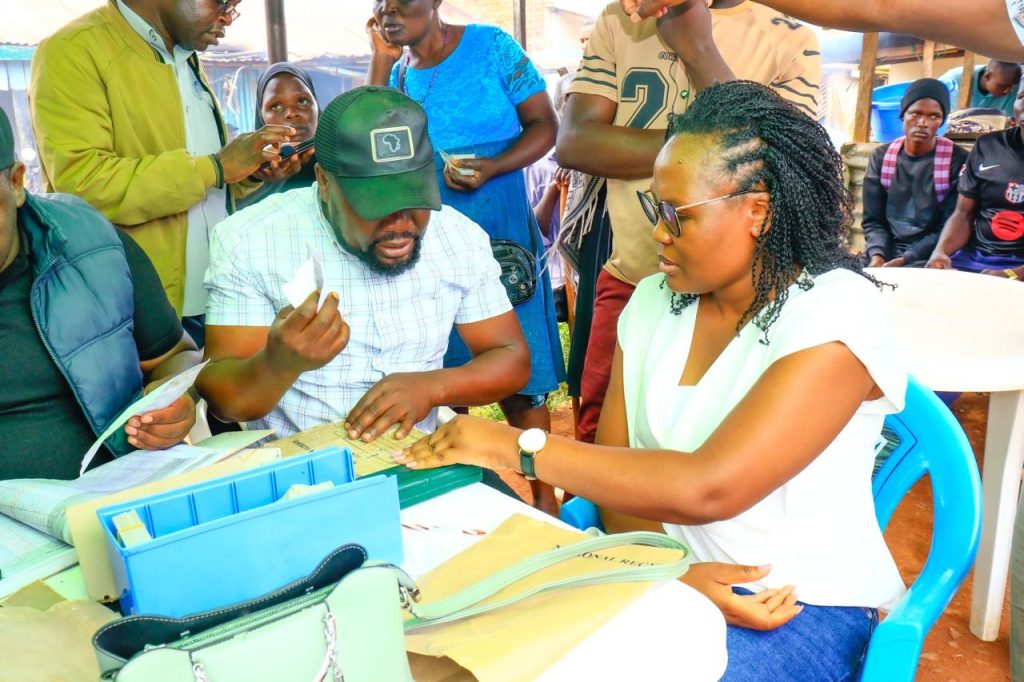
“I visited most of the stations to understand the challenges to help in policy formulation. I realized we have several people at the age of 40 and above who had not acquired the ID,” she says.
One of the main challenges was the lack of birth certificates, which is a mandatory requirement in the processing of the national identity card.
Ojala says most of the old people who had not acquired a national identity card were shying away because of the embarrassment and the tiring process involved in the acquisition of the ID.
“It became incumbent upon me to sensitize the community on the importance of the document, and the response was overwhelming. The queues grew day by day, and this explains why we have high uptake of ID and are nearly meeting the target in voter registration,” she says.
Ojala says lack of ID has largely undermined land transfers in the area among the residents, and this has delayed important transactions.
Her findings revealed that most of the women who had married before getting the ID shied away from acquiring the ID because of the laborious process of having to go back to their parents’ homes to get copies of their national identity cards.
“We were able to resolve some of the thorny issues, and we have had seamless registrations in the county. The process has been a success and a milestone,” she says.
She says they have already reached 60 percent of the target of residents acquiring the national identity card.
This week alone, as of 4th May, at least 3,000 national identity cards had been processed and dispatched to various sub-counties for collection.
Empowerment programmes
Ojala has engaged in women empowerment programmes, where she has formed groups in the county training them on table banking, savings, leadership, and business enterprises.
She has developed a platform where women can have their space to interact and share with one another.
Ojala has also been supporting sporting activities in the county by donating sports gear, uniforms, and financial support.
“I am happy that I have been able to empower the people in various forms. This is the commitment that pushes me every day,” she says.
Ojala says the initiative by Omollo has been a milestone and should be a continuous one.