
By Billy Mijungu
The dormant MIWASCO — Migori County Water and Sanitation Company — urgently requires an upgrade to incorporate a modern and efficient sewer system. Currently, effluent flows openly through densely populated areas, including residential zones, posing a growing public health risk.
If this situation persists, disease outbreaks will become increasingly common, especially in shared public spaces such as markets. This makes it absolutely necessary to prioritize sewer and waste infrastructure as urbanization rapidly takes root across Migori County.
The county is expanding fast, with at least 12 emerging urban centers: three in Nyatike, two in Kuria, three within the Sugar Belt, and several others in the rapidly urbanizing Suna region. This growth demands immediate planning and investment in sanitation systems.
Sewer development must go hand in hand with the expansion of clean and reliable water supply systems across these towns. The increasing reliance on boreholes, while addressing water shortages, may soon turn into a public health concern as contamination risks rise due to poor waste management and uncontrolled effluent discharge.
Migori County receives high annual rainfall and frequently experiences flooding. When combined with inadequate drainage and sewer systems, this creates a dangerous environment for the spread of waterborne diseases. Without proactive planning, the health sector will face mounting pressure in managing preventable outbreaks.
Leadership is now required — both at the County Government and National Government levels — to bring order, structure, and long-term solutions to this critical sector.
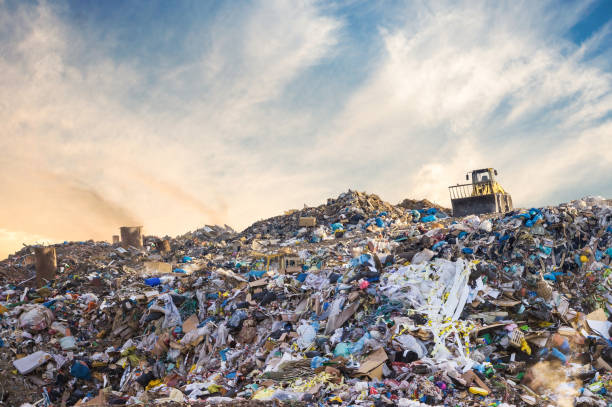
Beyond sewage, waste management is already a growing concern. Complaints about indiscriminate dumping are increasing, raising serious environmental and health alarms. The county must urgently establish systems for waste collection, recycling, and sustainable disposal. Opportunities exist to convert garbage into electricity and produce fertilizer through composting — solutions that can create both environmental and economic value.
This transformation is achievable with focused leadership and renewed commitment to public service. Unfortunately, environmental priorities have recently declined, and standards continue to deteriorate.
Migori must act now — not later.