By Habil Onyango
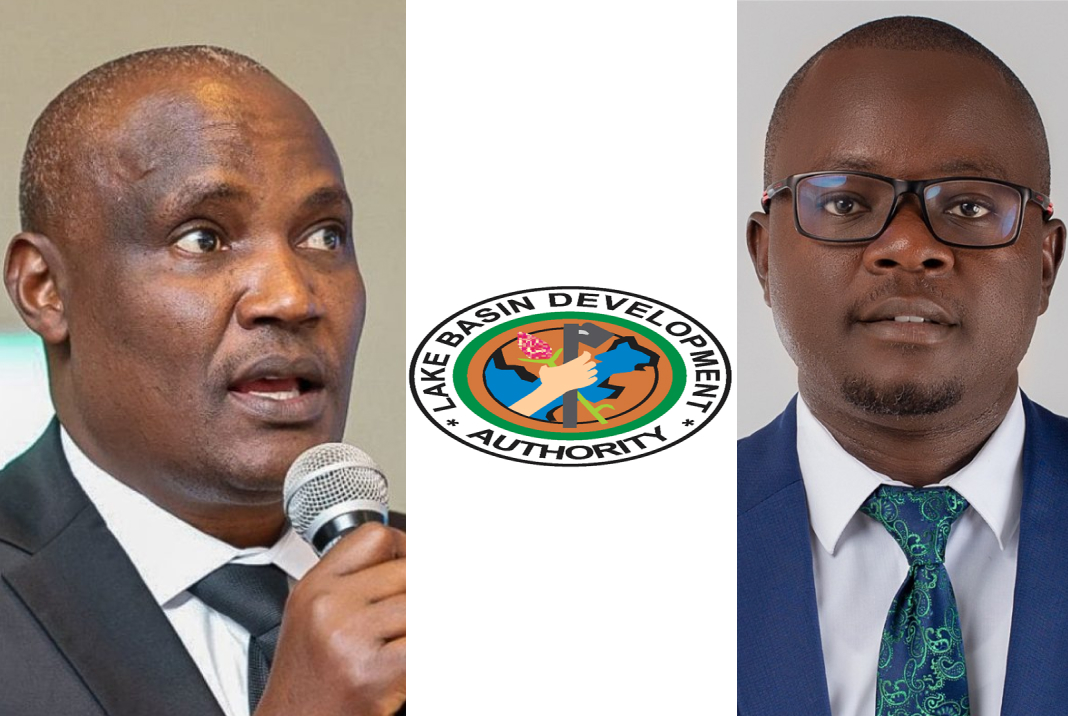
The Lake Basin Development Authority (LBDA) has been tasked with transforming the Sh 7.2 billion Oluch-Kimira irrigation project into a viable economic catalyst not only for Homa Bay County but for national growth.
With an expected allocation of Sh 700 million from the National Treasury, LBDA must make the scheme economically beneficial for residents of Rachuonyo North, Rachuonyo West, and Rangwe sub-counties.
The project, which is primarily funded by the African Development Bank (ADB) and the Government of Kenya, covers 3,685 acres (1,474 hectares) and is divided into 97 irrigation blocs. Currently, however, it has not yet yielded the intended economic benefits, as most residents rely on the water for domestic purposes rather than for commercial agriculture.
During a function in Homa Bay, Cabinet Secretary for Treasury and Economic Planning Mr. John Mbadi announced that the government would allocate Sh 700 million for the completion of the Kimira Oluch Smallholder Farm Improvement Project.
The irrigation scheme was originally intended to address food insecurity in the region and to generate additional revenue from agriculture once fully implemented. Mbadi explained that he had engaged in a consultative meeting with the LBDA CEO Mr. Philip Ochiaga to resolve obstacles to the project’s effective use.
“I have engaged the LBDA CEO and shared some of the issues which have prevented the full utilization of the project by farmers, and I have assured him that I am allocating an additional Sh 700 million to the project,” said Mbadi.
“This will ensure that the multi-billion irrigation project serves its purpose and benefits our farmers, while also improving food security in our country,” he added.
Mbadi spoke at Ligisa Secondary School in Rangwe Constituency on Sunday during a thanksgiving ceremony for new ODM Chairperson Governor Gladys Wanga.
The Oluch-Kimira project is structured into two irrigation schemes aimed at enhancing land productivity and substantially increasing smallholder farmers’ average income. The initiative also aligns with Kenya’s current development strategy, which emphasizes growth and poverty reduction.
The project focuses primarily on agricultural intensification, developing irrigation infrastructure, empowering farmers to manage their schemes, and boosting productivity. Implemented in Rangwe and Rachuonyo Constituencies, which have about 400,000 households, the scheme is set to benefit 3,000 households directly through improved marketing and extension activities.
“We want to help our farmers increase their yields of traditional crops and introduce new varieties throughout the year, especially during the dry season when prices are high and the region faces food insecurity,” Mbadi stated.
Recently, a Parliamentary Committee on Regional Development visited the project and challenged the residents to maximize its economic potential. The committee noted the underutilization of the facility, urging for an attitudinal change to encourage broader use of the water resources.
Committee Vice Chairperson Mary Wamaua expressed concerns, saying, “We expected to see more people using the water for irrigation. Few are doing so, but the majority have not fully tapped into its potential.”
Since its initiation in 2006, Sh 7.3 billion has been invested in the project, but an outstanding Sh 1.3 billion is still needed to complete it. The remaining works include the extension of dykes to maximize water utilization.