
By Team
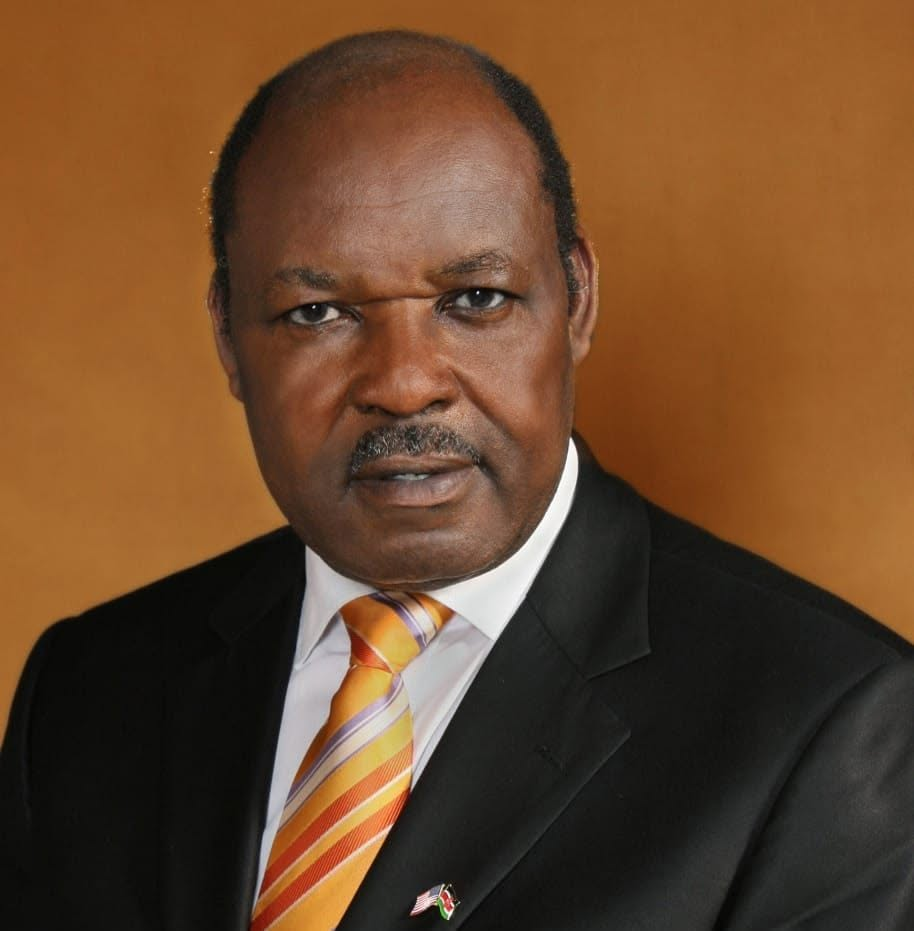
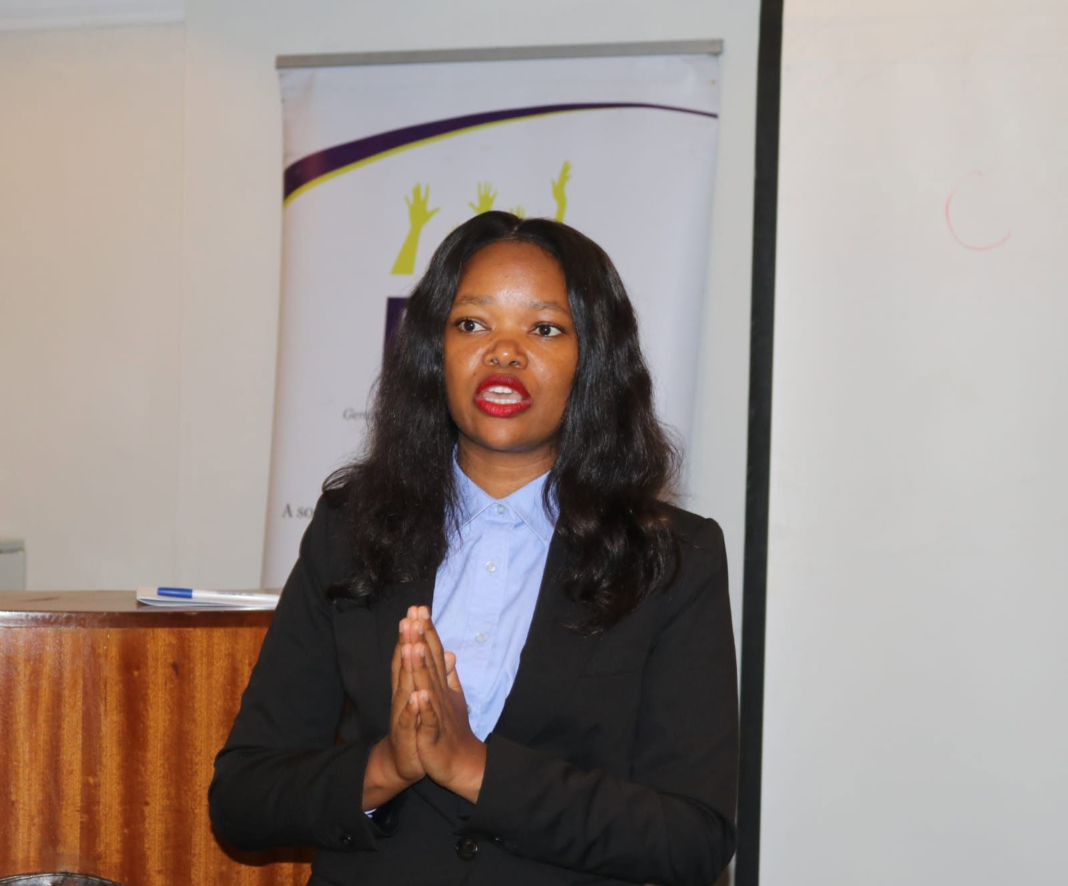
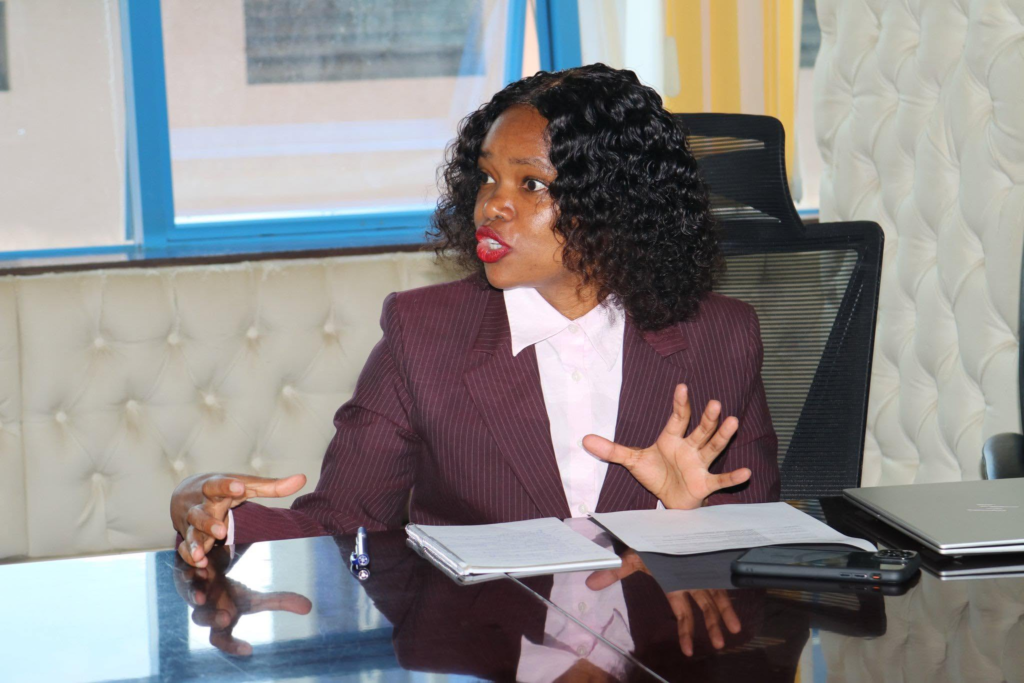
Kenya’s Chief Executive Officer of the Year, Dr Purity Ngina of the National Gender and Equality Commission, has been indicted by the internal audit report over a Sh30 million budget variance.
Similarly, the CEO is on the spot over the diversion of Sh24,137,429 from programme departments to the Executive Offices, which had no budget allocation.
“The Executive Offices incurred expenditure of Sh24,137,429 without an approved budget allocation, resulting in diversion of resources from programme departments during the period under review,” read the report.
The report also established that the review of expenditure against the approved budget allocation for the period July 2025 to March revealed significant variance across departments.
The overall expenditure amounted to Sh40,892,869 against the approved budget of Sh71,607,844, resulting in an unutilised balance of Sh30,715,300.
“The Audit noted low absorption of allocated funds in some departments, particularly the SIG department, which utilised only Sh4,072,300 out of the allocated Sh57,800, resulting in a variance of Sh53,727,300. This indicates under-implementation of planned activities,” the report read in parts.
The Legal Complaint and Redress Department was allocated Sh3,380,000 and only spent Sh616,440, occasioning a variance of Sh2,963,560.
The Monitoring, Evaluation and Knowledge Management Department also recorded under-expenditure from the allocated Sh1,136,300 and spent Sh719,600, leaving a budget variance of Sh416,900.
The audit report also noted over-expenditure in the Research Department and Regional Coordination Department, amounting to Sh14,300 and Sh2,241,146 respectively, indicating expenditure beyond approved budget provisions.
The Research Department allocation was Sh988,760 but spent Sh1,003,100.
The Regional Coordination Department was allocated Sh8,012,654 but spent Sh10,348,800, an excess of Sh2,241,146.
The Executive Offices were not allocated any budget but spent Sh24,157,429, with a variance of Sh24,237,439.
Implication
The report noted significant budget variance, underutilisation, and over-expenditure, which indicated weak budgetary control leading to non-implementation of planned activities and affecting the achievement of the commission’s objectives.
Spot
The report also put Dr Ngina on the spot over the implementation of activities valued at Sh14,668,157.20, which were outside the approved work plan and budget allocation.
The report revealed glaring financial mismanagement and blatant abuse of office by the officers.
Similarly, the Special Audit Review on programme implementation, budget performance and expenditure for the Financial Year 2025/2026 revealed that during the period, the Executive Offices initiated 21 activities costing Sh24,138,429.12.
“Out of the 21 activities undertaken, only two had been planned and included in the respective programme directorate workplans, while 19 were unplanned and had not been captured in the approved programme workplan,” read the report.
The report further revealed that 11 out of the 19 unplanned executive activities were approved by the CEO despite confirmation from the Finance Department that the budget had been depleted and no funds were available.
The emerging questions are: why did the CEO of the Year implement activities outside the approved work plan and budget even after she was advised by the Finance Department about depleted funds? Why did the Commissioners allow the blatant abuse of office to go unheeded under their watch, and what disciplinary actions have they taken so far on the CEO?
The report seen by Western Insight revealed that 21 activities under the Regional Coordination Department and Executive Offices, amounting to Sh14,668,157.72, were implemented outside the approved work plan and budget allocation, resulting in the diversion of resources from planned activities.
Activities approved and implemented without budget provision
The following were the activities that were implemented outside the work plan:
Executive Offices
The Executive Offices incurred a total of Sh8,427,900, which the CEO approved even after being advised that the budget had been depleted, while others had no budget at all.
- Participation of NGEC in the IX International Scientific and Practical Conference in Moscow, Russia, which incurred Sh2,224,250 – the foreign travel did not consider the budget line.
- Request for facilitation on the official visit to the late Raila Odinga’s home in Bondo-Siaya County, where Sh449,600 was incurred. It was approved with no budget indication.
- Participation as an observer in the Pan African Parliamentary Election in South Africa and participation in the Pan African Women’s Organisation Council meeting in Angola. The activities incurred Sh1,755,213; the budget was depleted, first charge 2026/2027.
- Participation in COP30-UN Climate Change Conference in Brazil, which incurred Sh2,339,400, approved in February 2026; budget depleted.
- Participation of NGEC in the Nyota Business Start-Up Capital Disbursement Programme, where the Commission incurred Sh230,000, and there was no budget.
- First Annual Nyeri Youth Summit-CBO, where the Commission incurred Sh78,400; the budget had been depleted.
- 2025 Annual National Multi-Stakeholders Conference – there was no budget, but the Commission incurred Sh474,390.
- Request for facilitation to attend the Public Service End of the Year Reflection Dinner in Kisumu – this was approved, but the budget had been depleted. The Commission incurred Sh101,400.
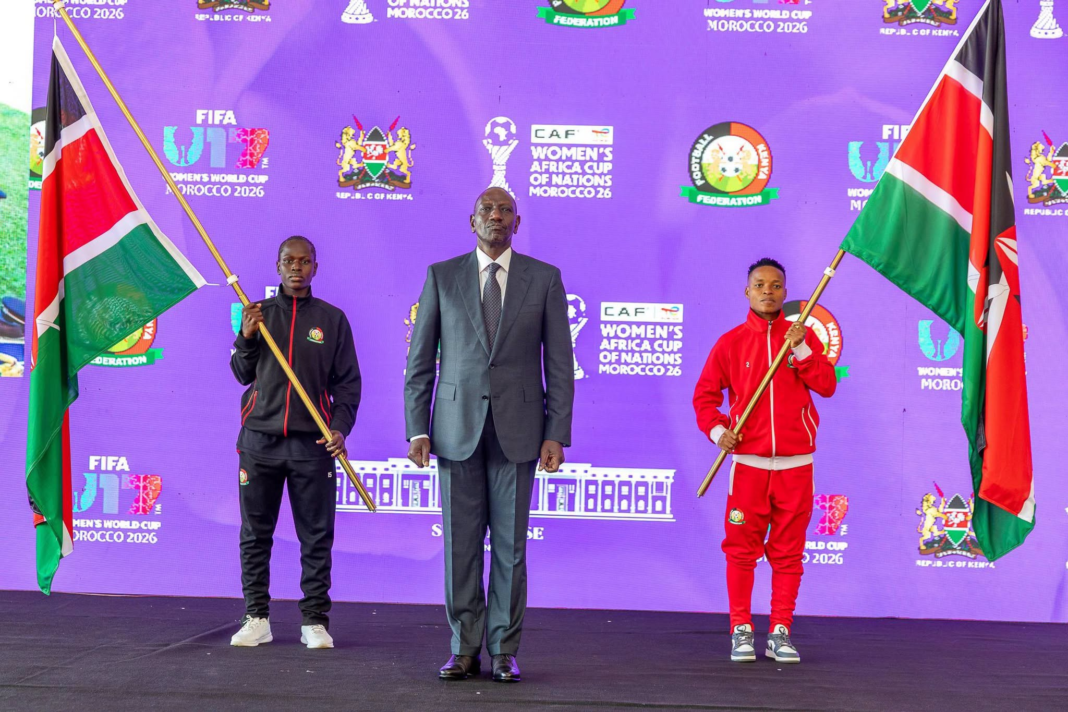
- Request for facilitation to attend the official flag-off of the 2025/2026 Kenya Mini Demographic and Health Survey – approved while the budget was depleted, and the Commission incurred Sh113,000.
- Participation in the funeral of Mzee Weston Kiricho Kanja, the father of the Inspector General of Police – approved while the budget was depleted, as the Commission incurred Sh61,000.
- County Children’s Prayer Day in Nyeri Town – approved but the budget was depleted, and the county incurred Sh84,000.
- Citizens Engagement Initiative in Nyeri Town Constituency – approved while the budget was depleted, and the Commission incurred Sh247,400.
- Peace Walk and Burial Ceremony in Nyeri County – approved while the budget was depleted, and the Commission incurred Sh123,200.
- Participation in World Water Day – approved while the budget was depleted; the Commission incurred Sh155,400.
Department of Regional Coordination
The activities in the Department of Regional Coordination were:
- NGEC-JICAGBX Elimination Project in Kajiado and Machakos counties, with a total of Sh932,400 approved when funds were depleted but implemented.
- NGEC-JICAGBX Elimination Project in Baringo County, incurring a total of Sh446,200; funds were depleted but implemented.
Department of Monitoring and Evaluation
In the Department of Monitoring and Evaluation, the activity was an invitation to a High-Level Sector Workshop, of which Sh226,800 was incurred. Funds were depleted but implemented.
- Development of a Status Report on Equity and Inclusion in Boards of Management and Top Management – there was no budget but was approved and implemented at a cost of Sh702,100.
Special Interest Group
- Commemoration of the Day of Persons with Disabilities – approved, depleted budget, and implemented at a cost of Sh100,000.
- International Women’s Day Celebrations – approved, depleted budget, implemented at a cost of Sh1,640,200.
- Commemoration of International Day of Zero Tolerance Against FGM – budget depleted but implemented at a cost of Sh425,000.
Observation
The report said the Commission failed to comply with the approved work plan and the Public Finance Management Act.
The report observed that the action was contrary to the Public Finance Management Act 2012, Section 68(1), which requires an accounting officer of a national government entity to be accountable to the National Assembly for ensuring that the resources of the respective entity for which he or she is accounting officer are used in a way that is lawful and authorised, and effective, efficient, economical and transparent.
It recommended that all activities were to be implemented within the approved workplan and budgets, and that any amendments were formally approved and supported by appropriate budget reallocation to prevent budget overruns and enhance accountability.
The series continues.