
By James Okoth
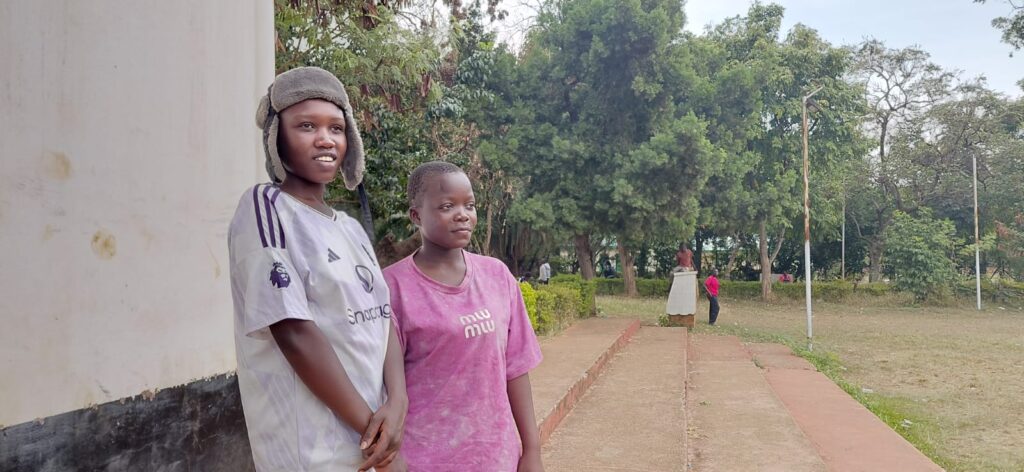
When 17-year-old Mitchelle Joy begins to speak, words fail her. Instead, tears flow.
The teenager from Sidho in Kisumu East sobs uncontrollably as she recounts four painful years of life on the streets of Kisumu, a place she never imagined would become home.
“I have tried going back home, but they rejected me,” she says between sobs.
Mitchelle fled home after irreconcilable family differences. Since then, every day has been a battle for survival – searching for food, clothes, shoes, and somewhere safe to sleep.
For girls like her, darkness brings even greater fear.
She says street girls are frequently attacked by older boys and forced into sexual acts in exchange for protection or survival. One such ordeal left her pregnant.
She later gave birth to a baby girl, Talia, now four months old, whom she entrusted to her mother in Manyatta in the hope of giving the child a better future than the streets could ever offer.
Despite everything she has endured, Mitchelle has refused to surrender her dreams.
“I still want to become an accountant,” she says quietly.
Her story mirrors that of thousands of street-connected people across Kenya.
According to the 2025 National Census of Street Families, the country has 18,049 street-connected persons, down from more than 46,000 recorded in 2018 following intensified rehabilitation efforts. The report attributes street migration largely to poverty, family instability, drug abuse, and economic hardship.
Nineteen-year-old Flora Brenda Juma has known no other life since joining the streets in 2019 after leaving her home in Ramba, Siaya County.
Her greatest fear is not hunger.
It is rape.
“When night comes, you don’t know whether you’ll wake up safely,” she says.
The constant anxiety has driven her into drug and substance abuse. She chews miraa to keep herself awake throughout the night, fearing that sleeping could expose her to sexual violence.
Yet, amid the hardship, Brenda clings to hope.
She eagerly waits for days when well-wishers visit with food, clothing, and words of encouragement.
“Those visits teach us about the dangers of drugs and remind us that someone still cares,” she says.
Before life took an unexpected turn, Brenda dreamed of becoming a journalist.
Twenty-three-year-old Brighton Onyango has survived on the streets since 2015.
Born in Gem Dudi, his journey began after poverty tore his family apart. His parents separated, and his mother’s new husband refused to accept him into the family.
With nowhere to go, Brighton found himself on the streets.
“There is no certainty of food. You sleep without knowing whether someone will attack you. There is no safe place,” he says.
Brighton says he has managed to overcome his addiction to cannabis and is now fighting to quit alcohol, admitting that rejection and loneliness continue to push many young people deeper into substance abuse.
His childhood dream was to become a professional plumber.
For more than a decade, however, one woman has become a constant source of hope for many of these forgotten young people.
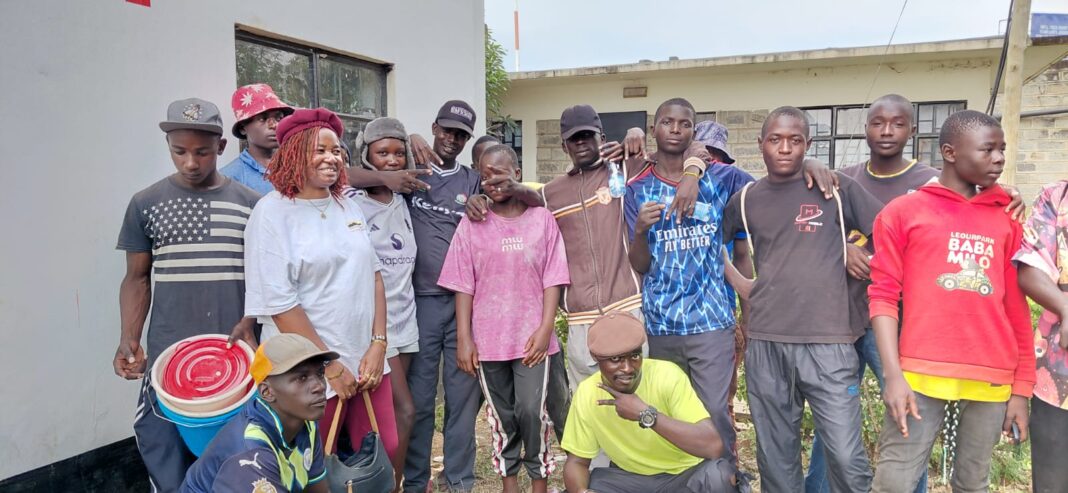
Every month since 2013, Phenny Achieng’ Magann has gathered street families, not just to share meals, but to listen, counsel, and remind them that their lives still matter.
“They come from different backgrounds, and each one has unique needs. They are my children,” she says with a smile.
The affection is mutual.
They simply call her “Mama Yao.”
On this particular day, Phenny led a delegation of nine visitors from the United States who spent time with the street families through games, meals, and interactive activities that temporarily replaced despair with laughter.
She says her inspiration came through working with the Office of the Kisumu Deputy Governor, where she has partnered closely with Deputy Governor Dr Mathew Owili to extend relief and restore dignity to street-connected families.
Dr Owili says his commitment to supporting street families stems from one simple conviction: that every human being deserves dignity and respect regardless of their circumstances.
“They are human beings first. They deserve love, care, and an opportunity to rebuild their lives,” he says.
The Deputy Governor revealed that he and his team are in the final stages of identifying land for the establishment of a resource centre that will include a rehabilitation facility and a safe space where street families can access counselling, skills development, and support as they begin rebuilding their lives.
For Mitchelle, Brenda, and Brighton, such a place would mean far more than shelter.
It would be a chance to dream again.