
By Valentine Omondi
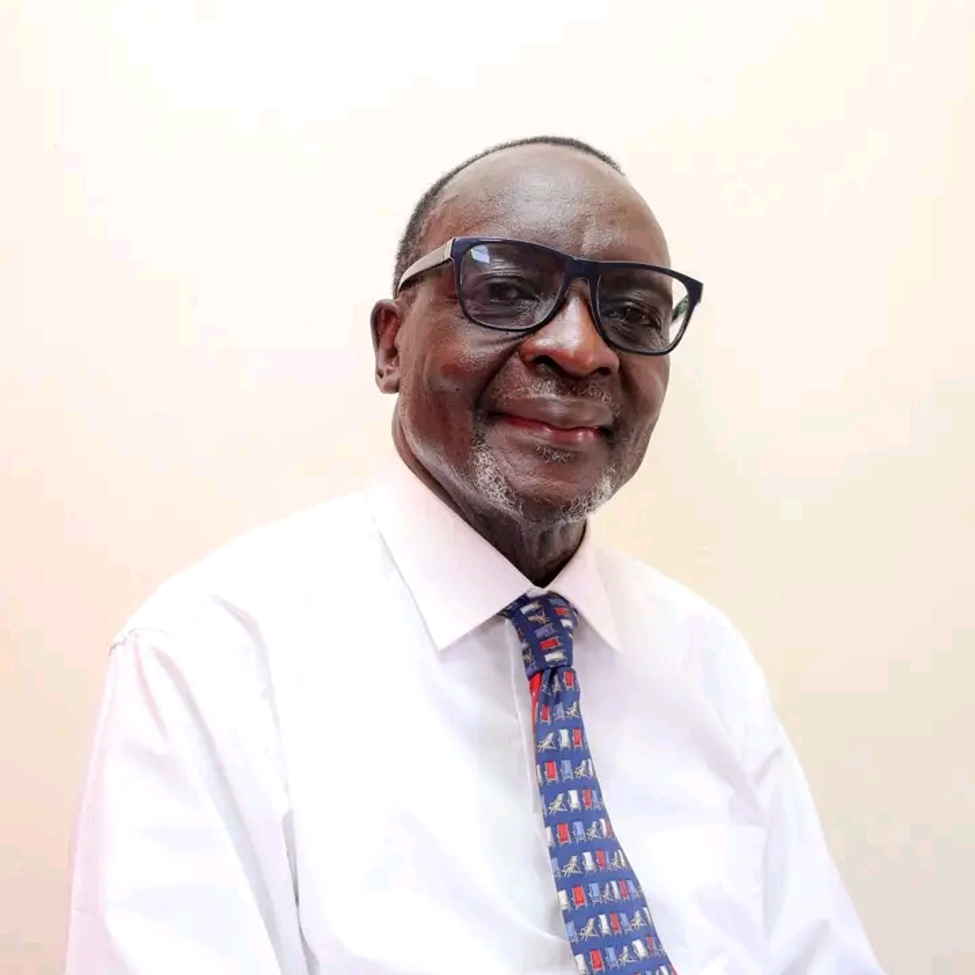
A prolonged back-and-forth between Siaya Governor James Orengo and the County Assembly over the appointment of a substantive CECM for Finance and Economic Planning has finally been resolved after lawmakers unanimously approved Dan Ochieng Okoth for the position.
The approval on Wednesday clears the way for Governor Orengo to formally appoint Okoth, bringing to an end a standoff that had emerged after the Assembly rejected the Governor’s earlier nominee for the same docket.
Okoth’s nomination was considered by the Assembly’s Committee on Appointments, which assessed his academic and professional qualifications, experience, integrity and suitability before recommending him to the House.
From rejection to consensus
The latest approval follows the earlier rejection of George Odhiambo Nyingiro, whom Governor Orengo had nominated for the Finance and Economic Planning docket.
The rejection became a major point of disagreement between the county executive and the Assembly, with the two arms of government at odds over the leadership of the financially critical department.
The Governor subsequently re-advertised the position, paving the way for a fresh recruitment process that eventually produced Okoth as the nominee.
Unlike the earlier nomination, Okoth’s approval was unanimous, marking a shift from the previous confrontation to consensus between the executive and the legislature.
The Assembly’s decision also gives the county administration an opportunity to turn its attention to the financial challenges facing the county rather than the prolonged appointment dispute.
Okoth brings public finance experience
Okoth brings extensive experience in public financial management.
He joined the Ministry of Finance, now the National Treasury, as an Accountant Grade II and subsequently rose through the ranks to serve as a District Accountant in various parts of the country.
He later joined the Siaya County Government, where he served as Chief Officer for Trade and Industrialisation before moving to the Finance and Economic Planning department.
His experience within both the national and county governments is expected to be important as he takes on a docket responsible for financial planning and management of county resources.
Pending bills, projects and budget implementation
During his vetting, Okoth identified pending bills as one of the major challenges facing the county.
He acknowledged that the accumulation of outstanding obligations has placed significant pressure on the county budget and pledged to promote financial discipline and prudent management of public resources.
His priority would be to clear existing pending bills while introducing measures to prevent the accumulation of new ones.
He also addressed delays involving rollover projects, attributing some of the challenges to inadequate planning and monitoring.
He pledged to reorganise the department and ensure quarterly progress reports are prepared and submitted on time.
According to Okoth, timely reporting would enable the county to monitor project implementation, accurately project payments and identify projects likely to roll over into the next financial year. Such information would also be available early enough to inform the county budget-making process.
On the persistent challenge of non-remittance of statutory deductions, Okoth committed to ensuring deductions made from employees’ salaries are remitted to the relevant institutions within the prescribed timelines.
He said this would help safeguard employees’ access to accrued benefits, including pension and health-related benefits.
Okoth further attributed delays in implementing the approved county budget partly to inadequate coordination among departments. He pledged to strengthen interdepartmental coordination and collaboration to facilitate timely implementation of approved programmes.
With the Assembly’s unanimous approval, the latest development effectively resolves the immediate dispute over the Finance and Economic Planning docket.
The next step is for Governor Orengo to formally appoint Okoth, after which attention will turn to how he delivers on the commitments he made during vetting.