
By Edris Omondi (Advocate)
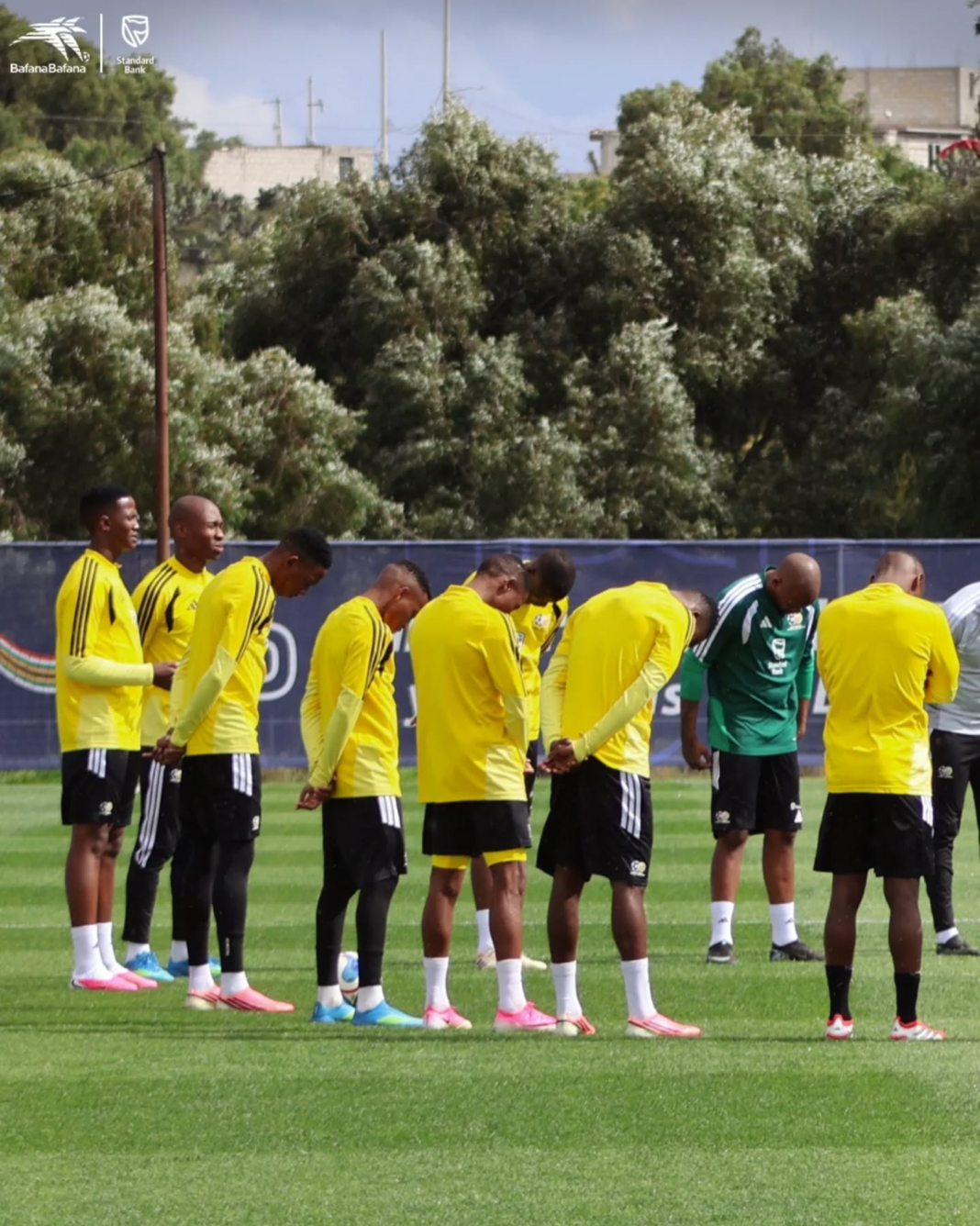
By any football standard, the opening match of the 2026 FIFA World Cup should have been a moment of continental unity. When South Africa National Football Team walked onto the global stage against Mexico National Football Team, many expected Africa to rally behind one of its own.
Instead, social media revealed an uncomfortable reality. Across parts of Africa, support for Bafana Bafana appeared lukewarm, divided, and in some quarters openly hostile.
The reaction raised a difficult question: Was South Africa suffering the consequences of years of xenophobic violence against fellow Africans?
Football Usually Unites Africa
Historically, African football transcends borders.
When Senegal National Football Team reached the latter stages of major tournaments, Africans celebrated. When Morocco National Football Team stunned the world in the 2022 World Cup, the entire continent embraced their success. The same spirit has often followed teams from Ghana, Cameroon, Nigeria, Algeria, and Côte d’Ivoire.
African football supporters traditionally adopt a continental identity once their own nations are eliminated. A victory for one African nation is often viewed as a victory for Africa itself.
Yet South Africa appears to occupy a unique and increasingly uncomfortable position.
The Shadow of Xenophobia
For more than two decades, South Africa has periodically witnessed violent attacks against foreign African nationals.
Migrants from Zimbabwe, Mozambique, Malawi, Somalia, Ethiopia, Nigeria, Kenya, the Democratic Republic of Congo, and other African countries have often been targeted during outbreaks of violence. Businesses have been looted, homes destroyed, and lives lost.
While many South Africans have condemned these attacks, the images have travelled across the continent. They have become deeply embedded in the collective memory of millions of Africans.
The result is that many Africans no longer distinguish between the actions of violent groups and the image of South Africa as a nation.
When a football match occurs, these memories resurface.
For some observers, supporting South Africa feels emotionally difficult because they associate the country with hostility toward fellow Africans.
From Xenophobia to “Afrophobia”
Many scholars and commentators argue that the term “xenophobia” is inadequate.
Traditional xenophobia refers to fear or hatred of foreigners generally. However, critics note that many attacks in South Africa have disproportionately targeted black Africans from other African states rather than Europeans, Americans, or Asians.
As a result, terms such as “Afrophobia” or “Negrophobia” have increasingly entered public discourse.
The perception across Africa is that fellow Africans have been treated as outsiders despite sharing a common history of colonialism, liberation struggles, and Pan-African aspirations.
Whether that perception is entirely fair is debatable. What matters politically and socially is that it exists.
The Cost to South Africa’s Soft Power
South Africa was once viewed as Africa’s moral giant.
Following the end of apartheid and the leadership of Nelson Mandela, the country occupied a special place in global and continental politics. It symbolized reconciliation, democracy, and African leadership.
Today, repeated reports of xenophobic attacks have damaged that reputation.
The consequences extend beyond football:
- Reduced continental goodwill.
- Strained diplomatic relationships.
- Negative perceptions among investors and tourists.
- Challenges in advancing Pan-African leadership ambitions.
- Growing skepticism toward South African influence in continental institutions.
Soft power is built on admiration and trust. Once damaged, it takes years to rebuild.
Bafana Bafana: Innocent Victims?
The players themselves bear no responsibility for xenophobic attacks.
Most members of Bafana Bafana are young athletes whose only objective is to represent their country with pride.
Yet national teams often inherit the political and social baggage of their nations.
Just as countries can benefit from positive international reputations, they can also suffer from negative ones.
In this sense, Bafana Bafana may be victims of circumstances beyond their control.
The team is judged not only by its football but also by the image of the country whose flag it carries.
A Warning Sign for South Africa
The mixed reaction to South Africa’s World Cup appearance should not simply be dismissed as social media noise.
It may represent a deeper warning sign.
The absence of widespread African solidarity toward Bafana Bafana suggests that parts of the continent feel alienated from South Africa. The emotional bond that once existed after apartheid may be weakening.
For a nation that aspires to continental leadership, this should be cause for reflection.
The Way Forward
Football offers South Africa an opportunity to rebuild bridges.
But lasting change will require more than sporting success.
It will require:
- Stronger protection of migrants and refugees.
- Consistent condemnation of xenophobic violence.
- Greater Pan-African engagement.
- Education promoting African unity and shared identity.
- Accountability for perpetrators of xenophobic attacks.
Africa remembers who stood with it during times of struggle. It also remembers when its people feel rejected.
As Bafana Bafana compete on the world’s biggest stage, the real challenge facing
South Africa may not be winning football matches. It may be winning back the hearts of
Africans who once viewed the Rainbow Nation as their second home.
Until that happens, every major sporting event will continue to reveal a painful truth: the greatest opponent South Africa faces is not on the football pitch, but in the court of African public opinion.