
By Hope Barbra
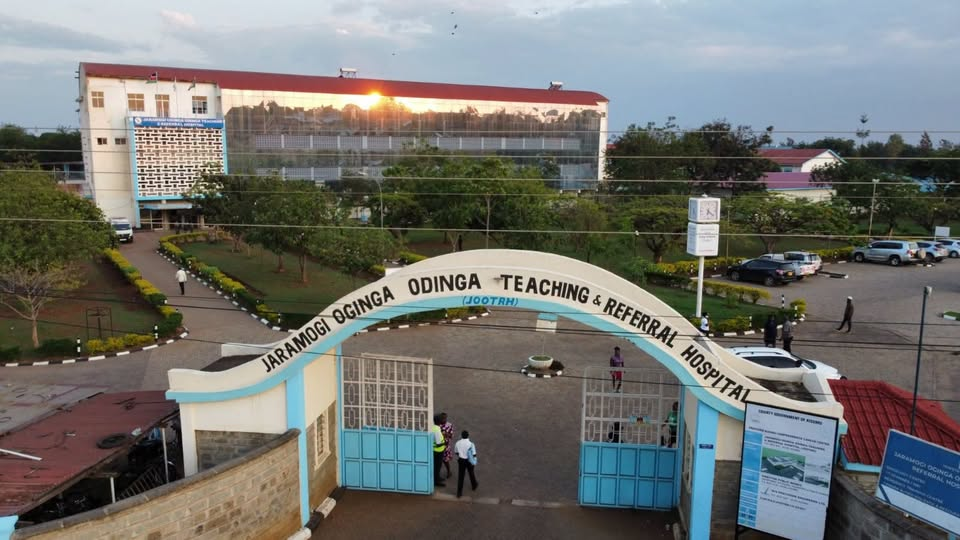
A year after its elevation, Jaramogi Oginga Odinga Teaching and Referral Hospital has leaped high in its service delivery and growth.
In the report card released after the elevation to a Level 6A national teaching and referral hospital, the institution has moved closer to the possibility of open-heart surgeries in Kisumu.
JOOTRH has spent the year building capacity, expanding specialised services and bringing complex care closer to millions of people.
Challenge
The hospital has had to navigate a major transition from a county-managed institution to a national government parastatal while simultaneously strengthening its workforce, infrastructure, equipment, financing systems, research and clinical services.
Milestone
The most significant milestone came on June 18, 2025, when JOOTRH was formally elevated to a Level 6 national referral hospital through a special Gazette notice.
The move transferred the institution from the county system into the national government structure and gave it a broader mandate in specialised healthcare, teaching, training and research.
By September, the hospital had been categorised as a Level 6A, Category 5 parastatal, a status that placed new expectations on the institution to provide increasingly sophisticated services to patients from Western Kenya and beyond.
In August 2026, the hospital achieved what for years had seemed beyond reach in Kisumu: open-heart surgery became a reality.
The procedure marked the arrival of a cardiothoracic surgical service capable of undertaking one of the most complex forms of surgery.
The CEO, Dr Joshua Clinton Okise, said the programme has been supported by specialist training, modern theatre infrastructure and investment in cardiothoracic capacity.
“For patients in the region, the achievement means that some people who previously had to travel long distances for such care can now receive it closer to home,” he said.
Dr Okise said during the year, JOOTRH also expanded its thoracic surgical capabilities, including minimally invasive chest surgery and major procedures such as pneumonectomy.
“Its surgical services now span cardiothoracic, neurosurgery, orthopaedics, paediatric surgery, ENT, ophthalmic, dental and emergency surgery,” he said.
He said the hospital has also strengthened its capacity to treat some of the most complicated neurological conditions.
“Neurosurgical camps have brought specialist teams to Kisumu to undertake complex brain and spine procedures, offering patients who might otherwise have faced long journeys for treatment an opportunity to receive care closer to home,” he said.
Dr Okise said management of sickle-cell disease has been another achievement of the hospital.
“In September 2025, JOOTRH’s Victoria Annex made history by performing Kenya’s first automated Red Blood Cell Exchange in a public hospital. The procedure uses an apheresis machine to remove abnormal sickled red blood cells and replace them with healthy donor cells,” he said.
He said the service has since grown, and the Victoria Annex sickle-cell clinic, which initially saw about 30 patients, was reported to be attending to approximately 60 patients every week as awareness and demand increased.
“For a region with a significant burden of sickle-cell disease, this represents more than a technological achievement. It is a change in the kind of care available to families who have for years had to manage a disease characterised by painful crises, complications and repeated hospitalisations,” he said.
He said for years, one of the biggest challenges facing cancer patients was not only treatment but the time spent waiting for a diagnosis.
“Through its partnership with Kisumu Breast Cancer Project, JOOTRH has now introduced same-day biopsy services, shortening the journey from suspicion to diagnosis and treatment planning. The hospital says the service is helping reduce diagnostic delays that previously stretched for weeks,” he said.
He said the hospital has taken the fight against cancer beyond its walls through partnerships that launched the Clinic on Wheels.
The mobile clinic is designed to take screening, health education and referral services directly into communities, targeting breast, cervical and prostate cancers.
“The programme also links community screening with JOOTRH’s same-day biopsy capability, creating a potentially faster pathway from screening to treatment.
“This represents a significant shift in philosophy: instead of waiting for patients to arrive at the hospital, the hospital is increasingly taking specialist services to the people,” he said.
The same principle is visible in JOOTRH’s community outreach programmes, including sickle-cell awareness and screening, medical camps and other preventive health initiatives.
Behind the clinical breakthroughs has been a major investment in infrastructure and equipment.
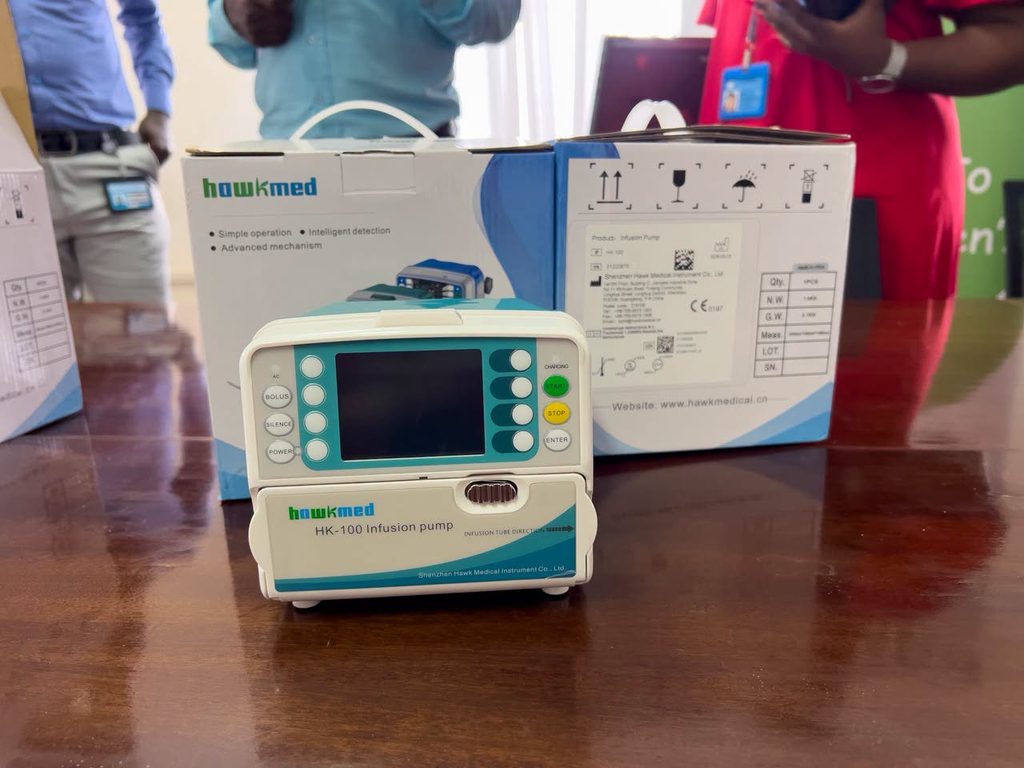
He said in April 2026, JOOTRH received 92 distinct equipment line items to modernise its surgical and critical-care services.
The equipment included new operating tables, surgical lights, anaesthesia machines and electrosurgical platforms. The hospital said the upgrade was intended to replace ageing equipment and improve efficiency, patient safety and surgical capacity.
“The hospital has simultaneously been strengthening its human-resource base. The Public Service Commission approved a new establishment of 1,805 positions, including 1,545 technical and 260 administrative and shared-service positions,” he said.
The new structure provides room for the institution to recruit and retain the specialist workforce required of a national referral hospital.
He said the staff have had to move from the county system into the new national structure, while governance and management systems have been redesigned to support the hospital’s expanded mandate.
Teaching and research are also becoming increasingly central to the institution.
The CEO said JOOTRH has expanded its research portfolio to include studies on cancer diagnosis, open-heart surgery, community cancer screening and trauma systems.
“The hospital’s research platform describes research as a key component of its role in advancing healthcare, innovation and knowledge sharing.
“The hospital has also been developing its role as a training institution, with specialist training opportunities and accreditation supporting the development of the next generation of health professionals,” he said.
For mothers, newborns and children, the year has brought its own important developments.
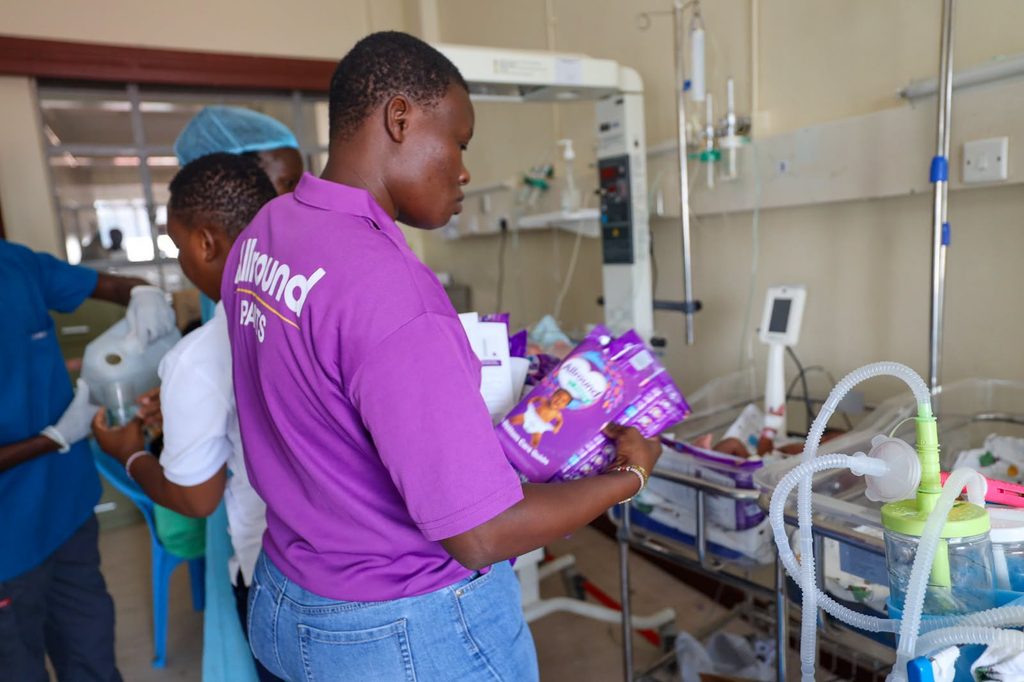
JOOTRH has expanded paediatric and neonatal services and is developing additional critical-care capacity. Its maternity services have also been strengthened, while the hospital continues to build capacity for the management of critically ill newborns and children.
The institution’s growing specialised dental, paediatric, neurosurgical and reconstructive services further demonstrate the expanding range of care available under one roof.
JOOTRH has continued strengthening its emergency and trauma services and, in August 2026, joined the national rollout of the National Ambulance Dispatch Centre and Ambulance Evacuation Services Benefit Package. The national system provides 24-hour emergency ambulance access through the toll-free 922 service and links ambulance providers across the country to a coordinated dispatch system.
The CEO said the boldest statement of where JOOTRH is headed is its proposed KSh4.9 billion transformation into a 2,000-bed medical city.
“The plan is ambitious and remains a work in progress, but it represents the institution’s long-term aspiration to become a major specialised medical hub serving Western Kenya and beyond.
“JOOTRH’s current public information describes the transformation as part of its journey towards becoming a modern 2,000-bed facility serving a catchment of more than five million people,” he said.