

By Remny Buta
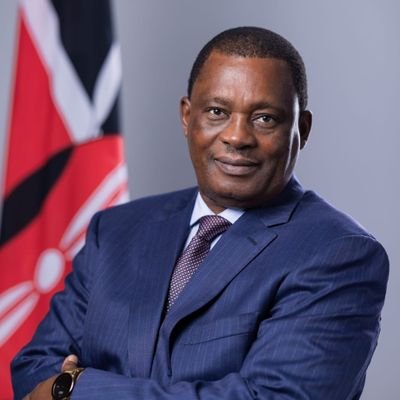
The role of a Cabinet Secretary in any government is one of immense responsibility, requiring unwavering loyalty, collective responsibility, and a commitment to the administration’s agenda. However, the recent actions of Hon Justin Muturi, a serving Cabinet Secretary for Public Service and Human Capital, have raised serious questions about his ability to fulfil these obligations. Muturi, who is expected to be a key pillar in President William Ruto’s government, has instead chosen to publicly criticize the administration he serves, bypassing internal cabinet mechanisms and taking his grievances to the media. This behaviour not only undermines the government’s unity but also raises ethical concerns about his continued role in the cabinet.
A Cabinet Secretary at Odds with the Government
Hon Justin Muturi’s public criticism of the government is a clear breach of the principle of collective responsibility, which binds all cabinet members to support government decisions publicly, regardless of private disagreements. By airing his grievances in the media, Muturi has effectively broken ranks with the administration, creating an image of a fractured government and eroding public confidence in its ability to govern effectively.
This approach is particularly concerning given Muturi’s position as a senior government official. Instead of addressing his concerns through internal channels, he has chosen to wage a public battle, a move that many interpret as a calculated attempt to gain political leverage or sympathy. This tactic not only undermines the government’s credibility but also sets a dangerous precedent for other cabinet members who may feel emboldened to air their grievances publicly, further destabilizing the administration.
The Democratic Party’s Exit from UDA: A Political Statement
Adding fuel to the fire, Muturi’s party, the Democratic Party (DP), has issued a notice to quit the United Democratic Alliance (UDA), the ruling party led by President William Ruto. This move is a significant political statement, signaling a growing rift between DP and UDA. As a prominent member of DP, Muturi’s actions and public statements are likely influenced by this political realignment. However, his continued presence in the cabinet while his party distances itself from the ruling coalition creates a conflict of interest that is untenable.
If Muturi’s party no longer supports the UDA-led government, it raises the question of why he remains in the cabinet. His continued service under these circumstances suggests a lack of commitment to the government’s agenda and undermines the trust placed in him by the president and the Kenyan people.
Resignation: The Honorable Path Forward
Given the clear conflict between his public statements and his role as a Cabinet Secretary, Hon Justin Muturi should take the honourable path and resign from his position. Resignation would not only demonstrate integrity but also allow him to freely join the opposition, where he can openly critique the government without the constraints of collective responsibility.
Waiting to be dismissed by President Ruto would be a disservice to both the government and the Kenyan people. Such a move would likely be interpreted as an attempt to seek sympathy, particularly in the context of the recent impeachment of former Deputy President Rigathi Gachagua, who also hails from the Mt Kenya region. Muturi’s dismissal could be misconstrued as a sign of the president’s disfavor toward the Mt Kenya region, further exacerbating political tensions. By resigning voluntarily, Muturi would avoid fueling such narratives and demonstrate that his actions are guided by principle rather than political expediency.
Hon Justin Muturi’s actions as a serving Cabinet Secretary have placed him in an untenable position. By publicly criticizing the government he serves and aligning himself with a party that has distanced itself from the ruling coalition, Muturi has breached the trust placed in him by the president and the Kenyan people. His continued presence in the cabinet undermines the government’s unity and creates a perception of instability.
The honorable course of action for Muturi is clear: he should resign from his position and join the opposition, where he can freely express his views without compromising his role as a public servant. Resignation would not only demonstrate his commitment to ethical governance but also help preserve the integrity of the government and the trust of the Kenyan people. In a political landscape often marred by opportunism, such an act would be a powerful statement of principle and a reminder of the values that should guide public service.
Muturu: A Cabinet Secretary Double-edged conflict
The role of a Cabinet Secretary in any government is one of immense responsibility, requiring unwavering loyalty, collective responsibility, and a commitment to the administration’s agenda. However, the recent actions of Hon Justin Muturi, a serving Cabinet Secretary for Public Service and Human Capital, have raised serious questions about his ability to fulfil these obligations. Muturi, who is expected to be a key pillar in President William Ruto’s government, has instead chosen to publicly criticize the administration he serves, bypassing internal cabinet mechanisms and taking his grievances to the media. This behaviour not only undermines the government’s unity but also raises ethical concerns about his continued role in the cabinet.
A Cabinet Secretary at Odds with the Government
Hon Justin Muturi’s public criticism of the government is a clear breach of the principle of collective responsibility, which binds all cabinet members to support government decisions publicly, regardless of private disagreements. By airing his grievances in the media, Muturi has effectively broken ranks with the administration, creating an image of a fractured government and eroding public confidence in its ability to govern effectively.
This approach is particularly concerning given Muturi’s position as a senior government official. Instead of addressing his concerns through internal channels, he has chosen to wage a public battle, a move that many interpret as a calculated attempt to gain political leverage or sympathy. This tactic not only undermines the government’s credibility but also sets a dangerous precedent for other cabinet members who may feel emboldened to air their grievances publicly, further destabilizing the administration.
The Democratic Party’s Exit from UDA: A Political Statement
Adding fuel to the fire, Muturi’s party, the Democratic Party (DP), has issued a notice to quit the United Democratic Alliance (UDA), the ruling party led by President William Ruto. This move is a significant political statement, signaling a growing rift between DP and UDA. As a prominent member of DP, Muturi’s actions and public statements are likely influenced by this political realignment. However, his continued presence in the cabinet while his party distances itself from the ruling coalition creates a conflict of interest that is untenable.
If Muturi’s party no longer supports the UDA-led government, it raises the question of why he remains in the cabinet. His continued service under these circumstances suggests a lack of commitment to the government’s agenda and undermines the trust placed in him by the president and the Kenyan people.
Resignation: The Honorable Path Forward
Given the clear conflict between his public statements and his role as a Cabinet Secretary, Hon Justin Muturi should take the honorable path and resign from his position. Resignation would not only demonstrate integrity but also allow him to freely join the opposition, where he can openly critique the government without the constraints of collective responsibility.
Waiting to be dismissed by President Ruto would be a disservice to both the government and the Kenyan people. Such a move would likely be interpreted as an attempt to seek sympathy, particularly in the context of the recent impeachment of former Deputy President Rigathi Gachagua, who also hails from the Mt Kenya region. Muturi’s dismissal could be misconstrued as a sign of the president’s disfavor toward the Mt Kenya region, further exacerbating political tensions. By resigning voluntarily, Muturi would avoid fueling such narratives and demonstrate that his actions are guided by principle rather than political expediency.
Hon Justin Muturi’s actions as a serving Cabinet Secretary have placed him in an untenable position. By publicly criticizing the government he serves and aligning himself with a party that has distanced itself from the ruling coalition, Muturi has breached the trust placed in him by the president and the Kenyan people. His continued presence in the cabinet undermines the government’s unity and creates a perception of instability.
The honourable course of action for Muturi is clear: he should resign from his position and join the opposition, where he can freely express his views without compromising his role as a public servant. Resignation would not only demonstrate his commitment to ethical governance but also help preserve the integrity of the government and the trust of the Kenyan people. In a political landscape often marred by opportunism, such an act would be a powerful statement of principle and a reminder of the values that should guide public service.


