
By Reporter
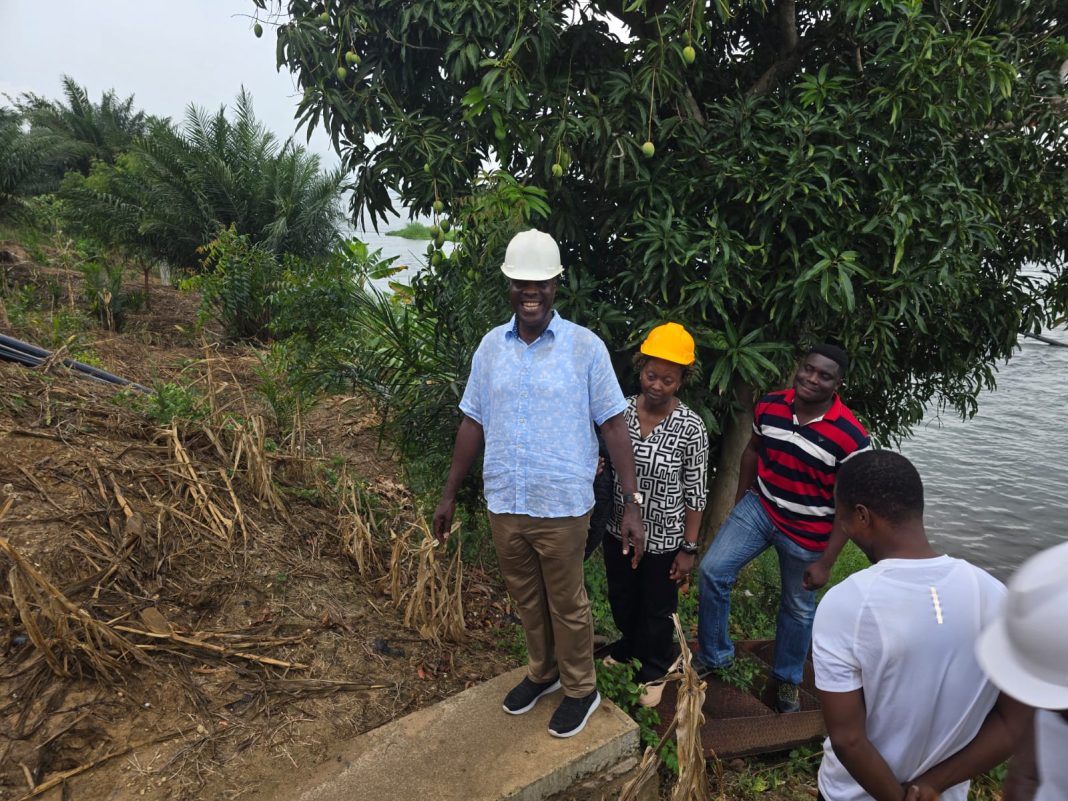
A partnership involving nine institutions, four from Kenya and three from Ghana, alongside IHE Delft Institute of Water Education from the Netherlands, recently converged in Ghana for a peer learning exchange.
The nine institutions consist of the Ministry of Foreign Affairs of the Netherlands, Kumasi Technical University, the Community Water and Sanitation Agency of Ghana, and Dema Dema NGO from Ghana.
From Kenya, the institutions were Strathmore University, which heads the partnership hub; Sirembe Community Water and Sanitation (SIBOWASCO); and Africa Water Watch Limited.
The partnership revolves around the idea of building capacity for small community water utilities.
The peer-to-peer learning workshop brought together the Kenyan and Ghanaian teams to reflect on the management and sustainability of rural water systems.
The discussions focused on the challenges communities face in accessing reliable and safe water, the work being undertaken by the two country teams, and how research and practical experience can inform better ways of managing rural water services.
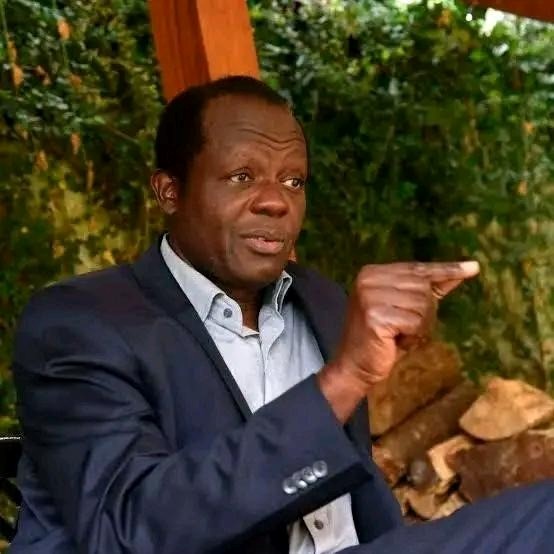
A member of the delegation and patron, Mr Sam Opot of Sirembe Community Water and Sanitation Project, said the key message was that water was essential to life, but it was also a finite resource that required careful management.
“The workshop provided an opportunity for technical professionals, researchers and project partners to share experiences and consider practical pathways towards more sustainable rural water systems,” he said.
Experience
Mr Opot said they learnt about the progress made by the Ghanaian team from 2024 to date, working with Kumasi Technical University, Dame Dame Development Agencies (3DA) and the Community Water and Sanitation Agency (CWSA).
“The work focused on understanding the economic, social and technical challenges affecting rural water services in the Upper West Region of Ghana,” he said.
He said access to water remained a significant concern for communities in the area, with challenges including reliance on mixed water sources, water systems under strain and persistent gaps in supply.
“These issues affect the reliability and sustainability of services and shape the daily experience of the communities that depend on them,” he said.
Mr Opot said the discussion considered social, economic and technical factors that influence water access.
“Among the economic concerns raised were the cost of purchasing water and weak record-keeping,” he said.
The Ghanaian team also referred to its work in five study communities and fieldwork in Lawra. Building research capacity and identifying practical pathways for improving rural water systems were highlighted as important parts of the work.
The overall priority was to understand the challenges on the ground and ensure that the research contributes to better outcomes for communities.
Gender and Community Participation in Water Management
Eng. Mboya emphasised the importance of recognising the role women play in water access and management.
Women and children often carry much of the burden when water is difficult to access, making women’s experiences particularly important to the research.
The Ghanaian team noted that women were among the key users of water in the communities visited and were important respondents in the study.
The discussion encouraged the researchers to pay attention to the meaning and context behind photographs and other field evidence, rather than treating these simply as illustrations.
Opot said the Kenyan team shared progress made since activities began in 2025 to better understand community-managed water systems, including how SICOWAP is organised and the early challenges it has encountered.
“One of the key activities was asset management training for 25 staff drawn from SIBOWASCO and three other community-managed water systems. There was an indication that the trainees are applying the learning to provide services more efficiently and effectively,” he said.
They reported on the induction of SICOWAP board members. The training is being applied in decisions made during water committee meetings and helps board members navigate the complexities of community water management.
The Training of Trainers (ToT) approach has helped extend learning beyond SIBOWASCO, SICOWAP and the other rural water systems to urban utilities as well. Examples shared included Kisumu Water and Sewerage Company, in the context of DIWOPA benchmarking of utilities in East Africa, and Eldoret Water and Sewerage Company, which was noted for its performance in water resource management.
An important point raised was that urban water utilities have a role to play in mentoring community-managed water systems. This offers a practical opportunity for sharing experience, strengthening operational capacity and supporting more consistent service delivery.
Capacity Building and Further Training
The role of IHE Delft in capacity building was discussed, particularly in relation to the different models and training activities being used to strengthen water service management. A keen interest was expressed in asset management and commercial and financial management as areas for which water expertise should be mobilised. Training on water quality in Ghana was also listed as part of the capacity-building discussions.