
By Odiwuor Alala
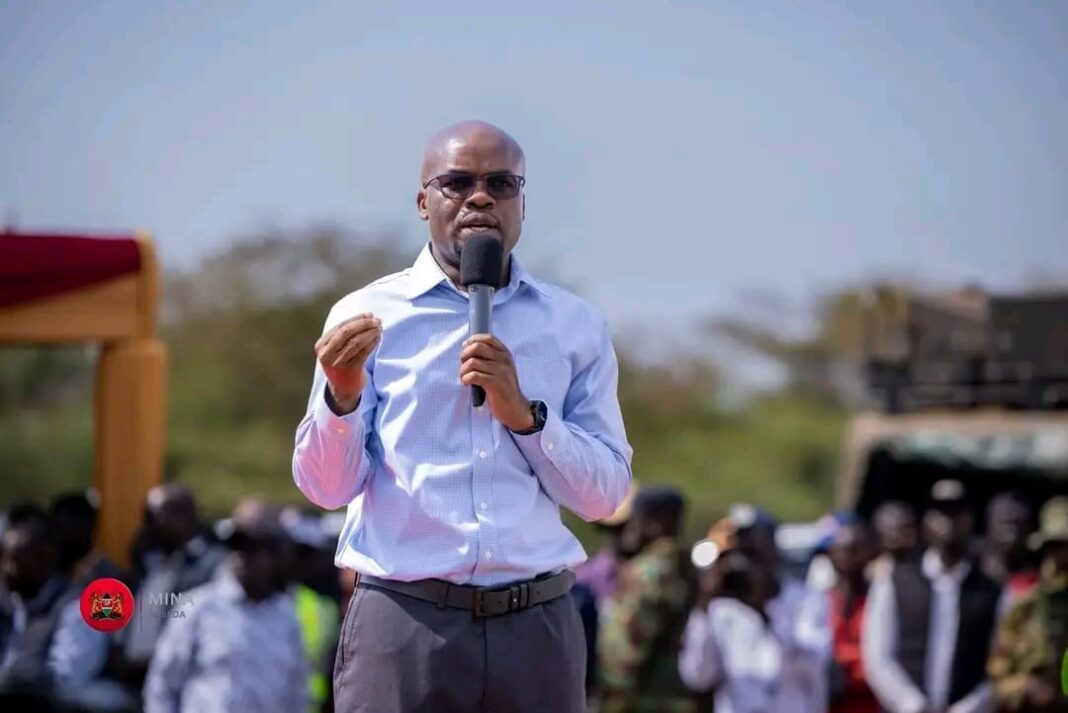
Leadership transitions in Kenya are rarely gentle; they demand a calculated balance of fortitude, political wisdom, and long-term vision. As Nyanza navigates a defining political epoch, the trajectory of Interior Principal Secretary Dr Raymond Omollo offers a compelling study in resilience and divine preservation.
In Luo cultural tradition, the metaphor of “Bend Aburu” describes a force or pillar that yields to heavy winds without snapping, emerging intact when the storm subsides. Dr Omollo has increasingly embodied this resilience on the national stage. Rising through administrative ranks with quiet efficiency, he has established himself as a central figure in executive governance and regional development.
However, political prominence inevitably attracts political opportunism.
For Dr Omollo’s leadership to endure beyond current political cycles, a clear-eyed assessment of his surrounding ecosystem is essential. History in Kenyan politics repeats itself with painful regularity: short-term allies often smile for political convenience while preparing to dismantle rising leaders when strategic interests dictate. Relying on recycled political elites or transitional heirs—who have historically prioritised self-preservation over broader community interests—presents an existential risk to any long-term political project.
The imperative for Dr Omollo is clear: he must forge a distinct, self-sustaining political machinery.
Rather than leaning on inherited structures, the strategic objective must be the cultivation of a grounded, loyal grassroots network. Building strategic alignment with leaders across all tiers—from Governors to Members of County Assemblies—creates an enduring structure capable of weathering upcoming political realignments.
Nyanza requires strong, visionary representation capable of commanding respect at the national negotiation table. Avoiding the trap of political self-cannibalisation is not merely a personal imperative for Dr Omollo; it is a necessity for the region’s broader development agenda in the post-election landscape. The window to build, solidify, and lead is now open.