
By Billy Mijungu
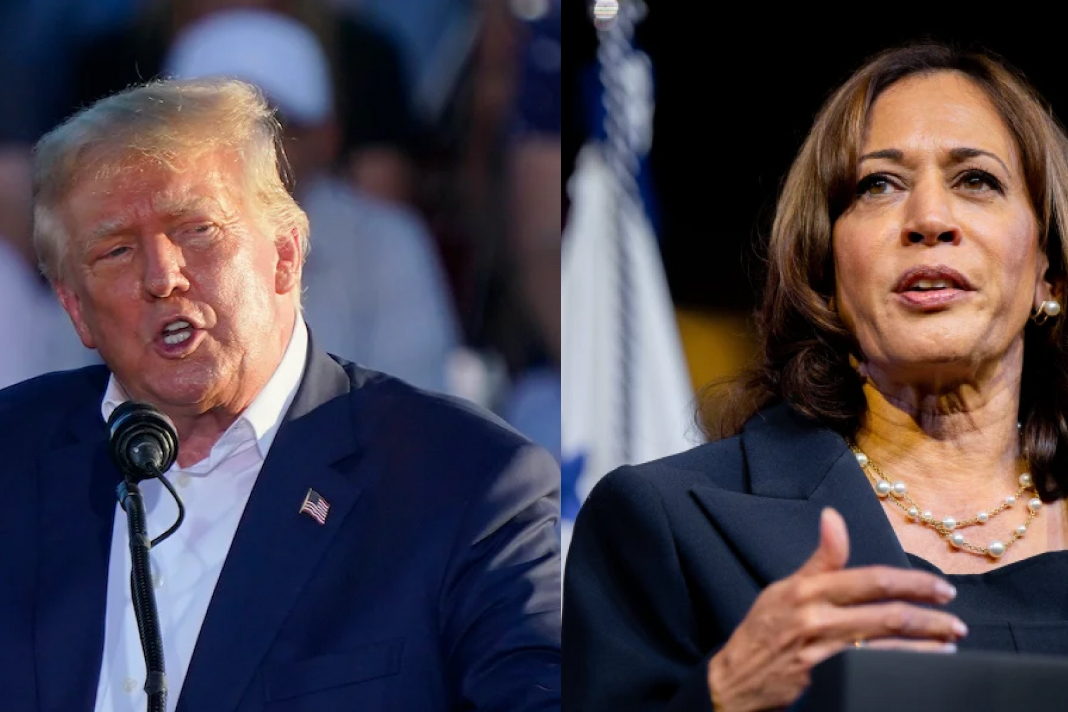
As the 2024 U.S. presidential election draws to a close, Africa finds itself at a political crossroads. The outcome of the race between former President Donald Trump and Vice President Kamala Harris is poised to have significant ripple effects—not only for Kenya but for the entire African continent. Both candidates have policies that appeal to different segments of African society, but the question remains: which direction will Africa lean towards?
One of the most prominent divides in Africa is around social values, particularly LGBTQ+ rights and abortion. Vice President Kamala Harris, a strong advocate for human rights, has been a vocal supporter of LGBTQ+ rights and the expansion of abortion access. While these views are progressive in the West, they remain deeply controversial in many African countries, where traditional values often prevail. Homosexuality is criminalised in several African nations, and abortion is illegal or strictly regulated in many others.
For large segments of the African population, especially among conservative religious communities, Harris’ support for these issues may appear misaligned with their cultural and moral norms. In countries like Kenya, evangelical Christians hold significant influence and may find Trump’s policies more in line with their values, particularly his opposition to the expansion of LGBTQ+ rights. Trump, long supported by conservative Christian groups in the U.S., would likely find similar backing among Africa’s evangelical circles. The role of the church in African politics is considerable, and on issues of morality, Trump’s policies may resonate more than Harris’ progressive stance.
Another crucial area is immigration. For many Africans, the United States symbolises opportunity and prosperity, and the “American Dream” holds great allure, particularly for younger generations. In this respect, Kamala Harris, as part of the Democratic Party, appears the more favourable option. The Democratic Party generally promotes a more inclusive immigration stance, with policies that protect immigrants and create pathways to citizenship—benefiting Africans seeking a better life in the U.S.
By contrast, under the Trump administration, restrictive immigration policies were emphasised, including efforts to reduce legal immigration and the controversial push for a border wall. Trump’s “America First” policy was often perceived as hostile to immigrants, and African nations were impacted by these stances. For many Africans, the Democratic Party’s more welcoming approach provides not only a policy benefit but also a symbol of hope. They see Harris—a woman of African and Indian descent—as someone who represents them, embodying possibility and upward mobility in a world that can feel exclusionary.
Kamala Harris’ African heritage also significantly shapes her perception across Africa. For many, her rise to the second-highest office in the U.S. is a profound source of pride. Her success is celebrated as a vindication for Black people globally—a reminder that anyone, regardless of background, can rise to power. This sentiment is especially strong in Kenya, where Harris has notable support as a figure of pride alongside President Obama, often affectionately referred to as “Kenya’s son.”
This deep-rooted pride could very well sway support towards Harris among Africans, despite reservations about her party’s social policies. The symbolism of a Black woman in the White House resonates deeply, leading some Africans to overlook her more liberal positions simply because she represents hope and the potential for change.
On the other hand, Trump commands a following among certain African leaders and populations who appreciate his more authoritarian and populist style. For these groups, Trump’s unapologetic embrace of traditional values and firm stance on immigration aligns with their own political ideologies. Many of these leaders prioritise strong national sovereignty and are sceptical of liberal internationalism, often viewing it as the imposition of foreign values. To them, Trump represents a familiar, less intrusive option.
Trump’s “America First” policy also aligns with a pragmatic economic view that appeals to Africa’s emerging middle class. His promises to prioritise U.S. interests and reduce foreign aid resonate with African leaders tired of dependency on international aid, preferring direct trade agreements that support economic growth rather than aid dependency.
Africa’s support, however, is not monolithic. The continent’s diversity means that opinions on Trump and Harris vary widely, influenced by religion, political affiliations, and socioeconomic status. While Harris has strong backing from those who view her as a beacon of opportunity and pride, Trump appeals to conservative and religious communities who hold traditional values and see his policies as a defence against the erosion of those values.
Ultimately, though, Africa’s support might tip in favour of Harris. The Democratic Party’s inclusive stance on immigration and its promise of a more welcoming U.S. offer tangible hope for Africans aspiring to a better future. Harris herself, as a figure of African descent, is a powerful symbol of success for a continent still grappling with the legacies of colonialism and systemic inequality.
As Africa watches this election reach its conclusion, one thing is certain: the stakes are high, and the outcome will have far-reaching implications for Africa’s relationship with the U.S. Whether they lean towards Harris or Trump, Africans are searching for a leader who can provide a chance for a brighter future—whether through immigration opportunities, equitable trade, or the promise of a world beyond poverty and despair. This election places Africa at the intersection of two visions—one grounded in the past and another looking forward to a more inclusive future.
The author is a 2022 Senate Candidate, Migori County
Social Media: Facebook | X | Instagram | TikTok | LinkedIn
@BillyMijungu
#Forward #TusongeMbele