
By Alphonse Bernard Otieno
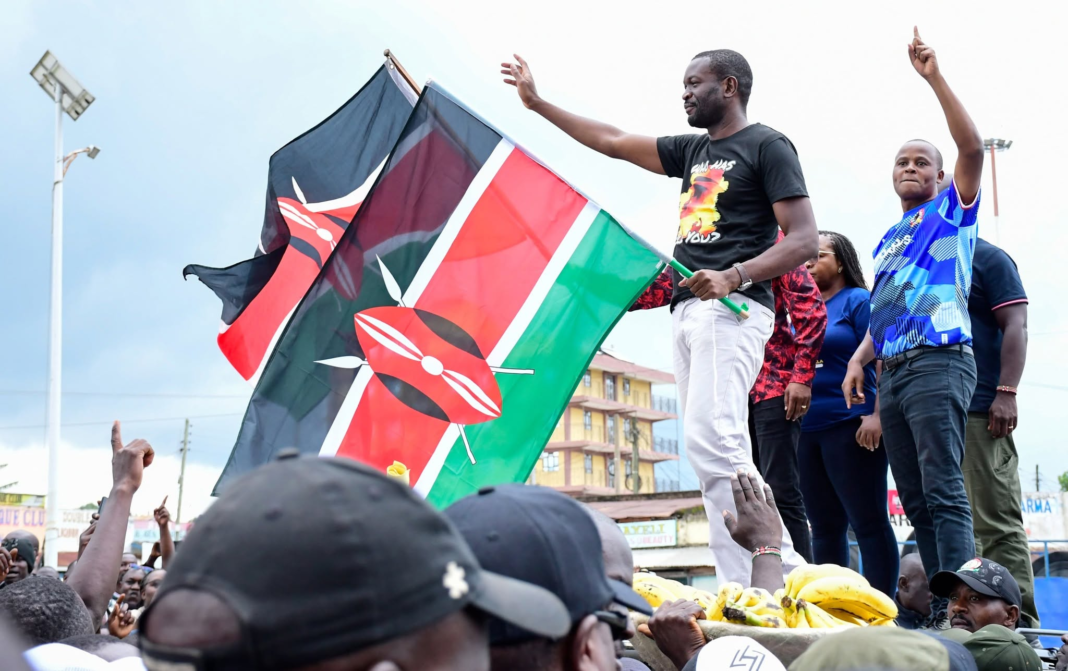
The latest political opinion polls have sparked fresh debate over the evolving dynamics ahead of Kenya’s 2027 General Election. If the recent TIFA survey accurately reflects the current political mood, then President William Ruto faces a challenge that goes beyond individual opposition figures. The emerging issue is no longer simply Rigathi Gachagua, Kalonzo Musyoka, or Dr Fred Matiang’i. Increasingly, political attention is turning to Nairobi Senator Edwin Sifuna.
The first TIFA poll suggests a significant shift within the Orange Democratic Movement (ODM). According to the survey, the Linda Mwananchi faction associated with Edwin Sifuna commands approximately 74% support among ODM supporters, while the Linda Ground faction linked to Oburu Odinga attracts about 26%. If these findings accurately represent grassroots opinion, they indicate that a substantial majority of ODM supporters currently favour a more confrontational opposition approach rather than political cooperation with the Kenya Kwanza administration.
This is more than an internal party contest. It suggests that many ODM supporters are demanding a stronger opposition voice. In this political environment, Edwin Sifuna increasingly appears to embody that expectation.
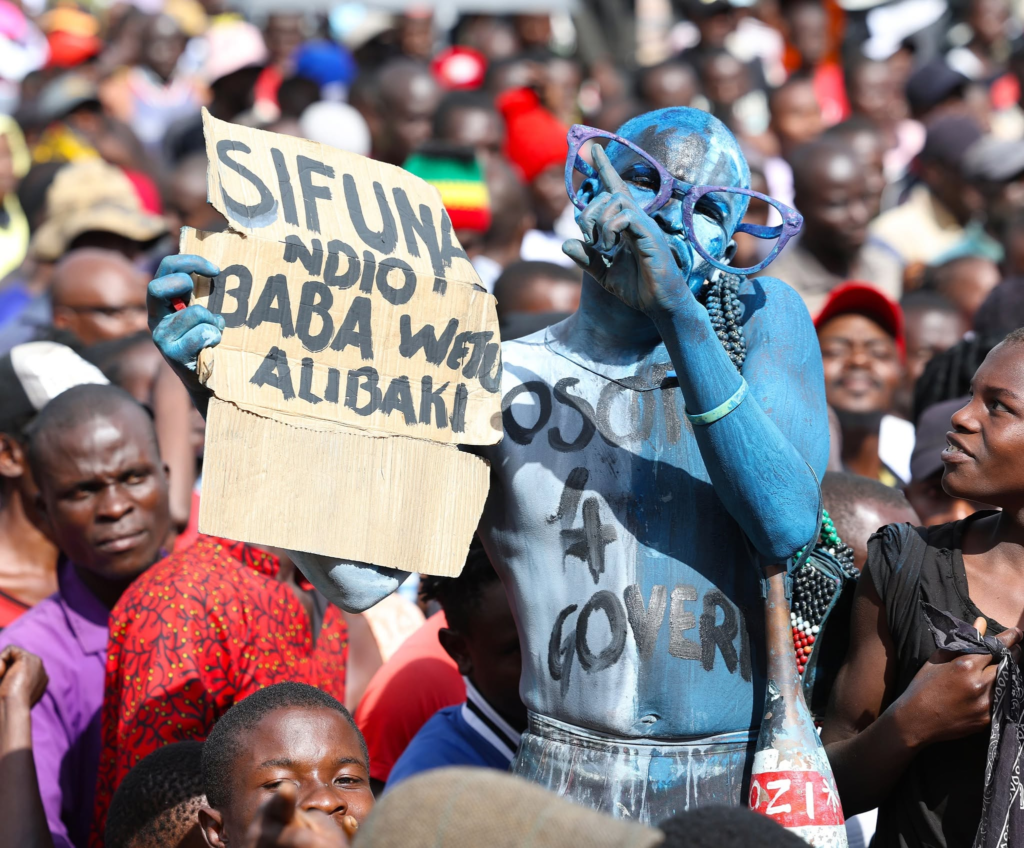
The second TIFA poll presents another interesting picture. President William Ruto reportedly leads individual presidential preference ratings with 24% support. While this places him ahead of individual competitors, Kenya’s Constitution requires a presidential candidate to secure more than 50% of all valid votes cast (50% + 1 vote) to win in the first round.
Political analysts therefore argue that individual popularity alone may not determine the outcome. Coalition-building remains the decisive factor.
Current opposition figures—including Kalonzo Musyoka, Rigathi Gachagua, and Dr Fred Matiang’i—already command substantial support. Should Edwin Sifuna’s political influence translate into additional electoral backing for a united opposition coalition, analysts believe the combined numbers could potentially exceed the constitutional threshold required for victory.
This explains why Sifuna’s political significance is attracting increasing attention. His influence lies not necessarily in being the single largest political figure, but in his potential ability to consolidate opposition support and unite different voting blocs.
The TIFA findings also raise important questions about ODM’s future political direction. If grassroots supporters overwhelmingly favour a firm opposition stance, then leaders like Wanga, Mbadi, Dr Oburu Odinga, Wandayi, and others who are advocating cooperation with the government may find it increasingly difficult to mobilise the party’s traditional support base.
For President Ruto, the strategic challenge extends beyond defeating individual rivals. The greater concern would be preventing the emergence of a cohesive opposition coalition capable of uniting diverse regional and political interests under one presidential candidate.
Conversely, for the opposition, maintaining unity remains the greatest test. Kenya’s political history demonstrates that fragmented opposition movements often struggle against an incumbent government, while united coalitions significantly improve their electoral prospects.
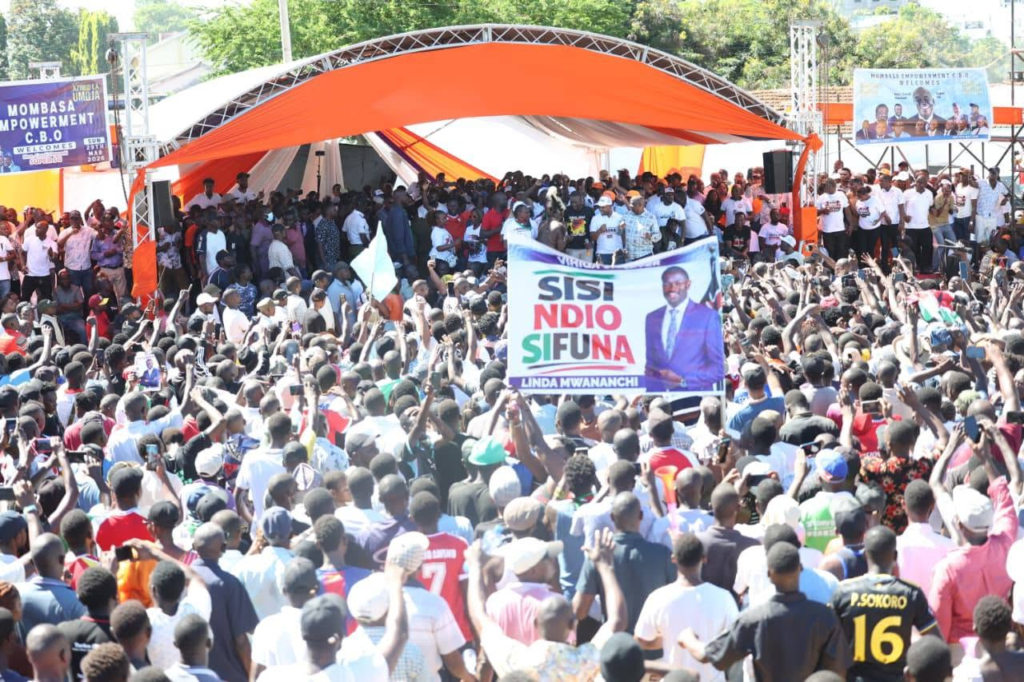
Whether Edwin Sifuna ultimately becomes part of such a coalition remains uncertain. Equally uncertain is whether President Ruto’s political strategy will seek to neutralise or engage influential opposition figures through dialogue or other political arrangements. Such possibilities remain matters of political speculation rather than established fact.
As the 2027 General Election approaches, one observation appears increasingly evident: the contest may not simply be about who leads the opinion polls today, but about who succeeds in building the broadest political coalition tomorrow. In Kenyan politics, elections are rarely won by individual popularity alone—they are won through numbers, alliances, organisation, and voter turnout.