By Remmy Butia
As Kenya inches closer to the 2027 general elections, the political landscape is already heating up with aggressive posturing, divisive rhetoric, and premature campaigning. President William Ruto is crisscrossing the country on what he calls “development tours,” while his former impeached deputy, Rigathi Gachagua – is rallying supporters under the banner of “Ruto Must Go.” Meanwhile, opposition figures like Kalonzo Musyoka, Eugene Wamalwa, Martha Karua, and Jeremiah Kioni are positioning themselves as the “people’s legitimate opposition.”
With tensions rising and political alliances shifting, the question looms: Will Kenya survive the toxic political climate, or will the nation be torn apart by the ambitions of its leaders?
Early Campaigns and the Erosion of Governance
Kenya’s election cycle has effectively begun – three years before the official campaign period. President Ruto’s recent tour of Mt. Kenya, ostensibly for development inspections, was widely interpreted as a strategic move to reclaim a region that once overwhelmingly supported him but has since grown disillusioned . While he pledged infrastructure projects and economic reforms, critics argue that these visits are thinly veiled campaign rallies meant to consolidate support ahead of 2027.
On the other side, Rigathi Gachagua – once Ruto’s closest ally – has taken a confrontational stance, labeling the current administration as “anti-Mt.Kenya” and vowing to unseat Ruto. His rhetoric has been incendiary, with some of his allies warning of a political “war” in the region .
Opposition leaders, too, are not sitting idle. Kalonzo Musyoka has openly declared his 2027 ambitions, while Raila Odinga’s allies debate whether he will run again or pass the baton. The Azimio coalition is already grappling with internal divisions, signaling a fierce battle ahead .
The Danger of Polarization
The early campaigns risk deepening ethnic and regional divisions. Gachagua’s “Mt. Kenya vs. Ruto” narrative and Ruto’s counter-mobilization could revive the toxic “us vs. them” politics that Kenya has struggled to move beyond. Already, political analysts note that the Mt. Kenya region – once a Ruto stronghold – is now a battleground, with voters split between loyalty to Gachagua and pragmatism toward Ruto’s development promises .
Moreover, the opposition’s framing of their movement as the “people’s legitimate resistance” suggests an escalation in political rhetoric that could spill over into protests or unrest, especially if the 2027 elections are contested.
The Youth Factor: A Wildcard in 2027
One critical demographic that could disrupt traditional political calculations is Kenya’s youth. By 2027, an estimated 10.5 million new voters under 35 will join the electorate, making them the largest voting bloc . Unlike older generations, these voters are less tied to ethnic loyalties and more influenced by social media, economic realities, and governance performance.
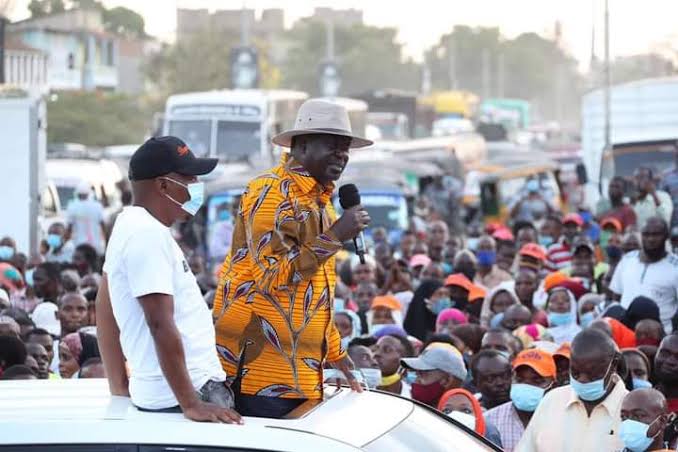
If politicians continue with their current combative style – focusing on personality clashes rather than policy – they risk alienating this demographic. As one analyst notes, “The traditional campaign method of visiting small towns and talking at citizens from the sunroof of a Toyota V8 will not appeal to them”. Instead, young Kenyans are looking for solutions to unemployment, corruption, and economic stagnation.
If the political class fails to adapt, Kenya could see a youth-led political revolution – either through mass voter turnout against establishment politicians or through the rise of a new, populist third force.
Where Does This Leave Kenya?
The early politicking raises serious concerns:
Governance Takes a Backseat:
With leaders more focused on 2027 than on delivering services, critical reforms in agriculture, healthcare, and infrastructure could stall. Ruto himself has acknowledged that his re-election depends on performance, yet his opponents argue that his administration has fallen short .
Ethnic Mobilization Risks:
If politicians continue framing elections as existential battles for their communities, Kenya could see a resurgence of the ethnic tensions that have marred past elections.
Economic Consequences:
Prolonged political instability could deter investment, worsen unemployment, and deepen public disillusionment with democracy.
A Fractured Opposition:
If Azimio fails to unite behind a single candidate, Ruto could benefit from a divided opposition – but this could also lead to post-election disputes and unrest.
Can Kenya Navigate the Storm?
Kenya stands at a crossroads. The early campaigns, harsh rhetoric, and shifting alliances could either lead to a more competitive democracy or plunge the country into another cycle of divisive politics.
For Kenya to emerge stronger, politicians must shift from toxic rhetoric to issue-based campaigns, prioritize governance over premature elections, and engage the youth meaningfully. Otherwise, the 2027 elections may not just be about who leads Kenya, but whether the country remains united at all.
As Wainaina wa Njeri, author of The Art of Winning Elections, warns: “Politics is fluid; what works today may not work tomorrow.” The question is whether Kenya’s leaders will adapt – or whether their ambitions will tear the nation apart.