By James Okoth
Sickle Cell Disease (SCD), a chronic hereditary blood disorder that affects oxygen flow in the body, remains one of Kenya’s most under-recognized yet devastating health challenges. In Kisumu County, long considered the epicentre of the disease, a quiet transformation is taking place.
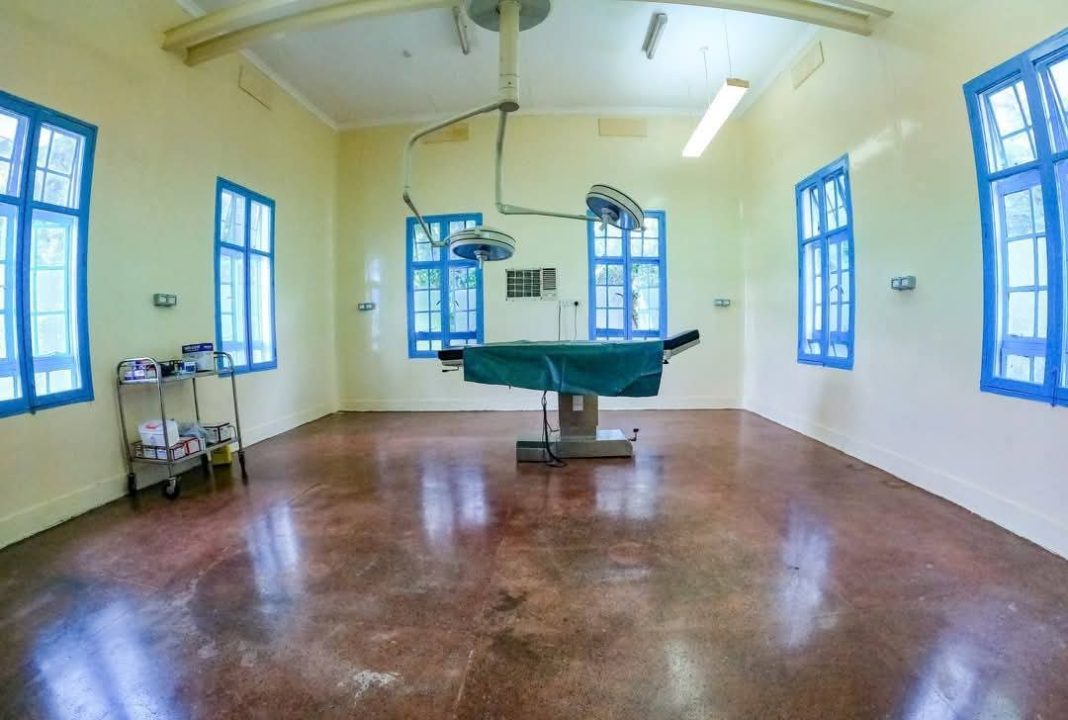
At the heart of it all stands the Kisumu Sickle Cell Disease Centre, now fully operational at Victoria Annex in Milimani, a state-of-the-art facility providing specialized care, early screening and advanced therapy for patients once left to suffer in silence.
National Outlook: A Heavy Burden
Kenya records an estimated 14,000 births with Sickle Cell Disease each year, yet without proper care, nearly nine out of ten affected children may not live beyond their fifth birthday. Only a handful of hospitals nationwide have the diagnostic machines and staff needed to identify the disease early.
Experts estimate the economic toll of SCD in Kenya at KSh 1.6 billion annually, mostly spent on treatment, hospitalization and lost productivity. Advocacy groups have urged both national and county governments to declare the disease a public health emergency, particularly in Western Kenya where prevalence rates are highest.
Kisumu County: The Epicentre of the Crisis
Kisumu’s statistics paint a grim picture. Roughly 1.5–4 percent of newborns in the county are born with SCD, while nearly one in five residents carries the trait. Each year, about 500 children under five die from the disease’s complications.
At Jaramogi Oginga Odinga Teaching and Referral Hospital (JOOTRH), the numbers are equally sobering. Surviving patients experience an average of five painful crises a year, each crisis lasting between five and ten days and requiring hospitalization.
A Centre of Hope in Milimani
Officially opened in 7th May 2025, the Victoria Annex Sickle Cell Disease Centre has become a symbol of hope and progress. Established by the County Government of Kisumu in partnership with Victoria Hospital and global health partners, the facility provides:
●Early newborn screening for all infants born in the county.
●Comprehensive care for patients, including pain management, counseling and continuous monitoring.
●Advanced blood therapies, including the groundbreaking red blood cell exchange (apheresis) treatment.
●Drug formulation and supply, made possible through a partnership with Yunigen Pharma (USA) to locally produce hydroxyurea, the standard medication that reduces SCD crises.
To date, more than 20,000 children have been screened under Kisumu’s county-wide initiative.
Human Faces Behind the Fight
Dr. Gregory Ganda, Kisumu County Executive Committee Member for Health, has been at the forefront of the SCD response. He emphasizes prevention through awareness and early testing.
“Since this is a hereditary disease, it is important to screen early so that as a child grows, the sickle cell trait is known,” he said. “At the same time, people must be informed that if they marry someone with the same trait, it will result in full-blown sickle cell disease.”
Dr. Ganda has also urges both levels of government to allocate specific budget lines for SCD management.
For many patients, however, the impact of the new centre is deeply personal. Mitchelle Omullo, a Kisumu-based filmmaker and sickle cell warrior, was the first patient to undergo red blood cell exchange therapy at the Milimani facility.
“I am very excited because I feel like the apheresis machine is going to really reduce the number of crises that we are always having,” she said after her procedure.
Omullo has since become a leading advocate for awareness and inclusion, using her platform to dispel myths surrounding the disease.
“We are just like any other normal person,” she said. “It’s just that we have a blood disorder but other than that, we are normal.”
Looking Ahead
Kisumu’s model is now attracting attention from other high-burden counties and the national government. Health experts describe the Victoria Annex facility as a template for county-level response, combining community awareness, accessible care and advanced treatment under one roof.
Still, challenges remain: inadequate insurance coverage, limited supply of hydroxyurea in rural clinics and the need for more trained hematologists.
Even so, the message from Kisumu is clear; Sickle Cell Disease is no longer being ignored. Through leadership, partnerships and local innovation, a county once defined by loss is now shaping Kenya’s future in hematology care.