
By Simon Okola
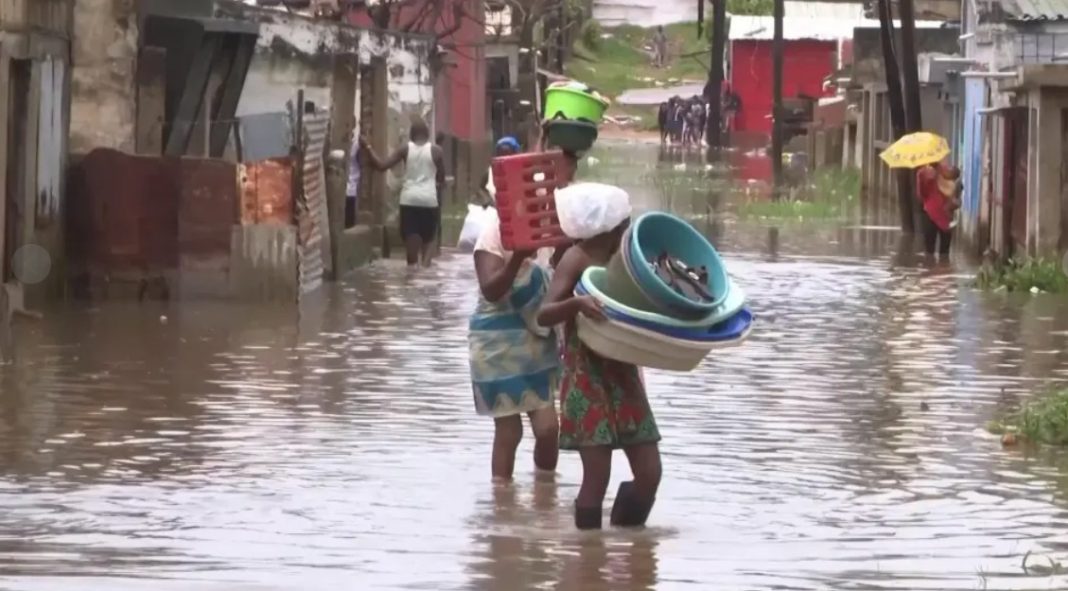
More than 100 people have died across southern Africa following weeks of torrential rains and catastrophic flooding.
Mozambique has been the hardest hit, with at least 103 deaths reported, more than 200,000 people affected, tens of thousands displaced, and over 70,000 hectares of crops destroyed. Roads, bridges, schools, and health facilities have collapsed, while cholera outbreaks and food insecurity are escalating.
These events are not isolated tragedies. They are the latest evidence of a climate system failing those least responsible for global emissions, and they underscore the urgent need for structured, professional climate adaptation solutions.
Southern Africa has long been vulnerable to extreme weather, but climate change is intensifying both the frequency and severity of flooding. Weather patterns such as La Niña have amplified this year’s rains, turning seasonal storms into full-scale humanitarian emergencies. Mozambique, Zimbabwe, and parts of South Africa now face recurrent disasters that erode development gains and deepen poverty.
Emergency response has been necessary — helicopter evacuations, food aid, and temporary shelters have saved lives. But reactive humanitarian aid cannot address the structural drivers of vulnerability. Each disaster leaves communities poorer, infrastructure weaker, and governments more stretched.
This is where Agenda Beyond Borders (ABB) brings value.
ABB is a Kenyan-based policy and advisory organisation that specializes in climate action, sustainable financing solutions, and community-centered adaptation strategies. Our approach combines rigorous research, policy analysis, and practical implementation support to help governments, donors, and private sector actors ensure that climate finance delivers measurable, long-term impact.
Mozambique contributes a negligible share of global carbon emissions, yet it bears a disproportionate burden of climate impacts. Meanwhile, carbon markets and climate finance mechanisms are expanding globally, often without delivering direct, measurable benefits to communities on the frontlines. ABB’s analysis shows that carbon credits, when misaligned, risk leaving the most vulnerable exposed to disaster after disaster.
Yet carbon finance does not have to fail.
When properly designed, carbon credits and climate finance can serve as powerful tools for resilience. ABB has extensive expertise in structuring and implementing projects that:
• Restore ecosystems, including mangroves, wetlands, and upstream forests, to naturally reduce flood risk
• Support climate-smart agriculture to protect the livelihoods and food security of smallholder farmers
• Fund early-warning systems, disaster preparedness, and local capacity building
• Deliver measurable environmental and social outcomes through robust Monitoring, Evaluation, Accountability, and Learning (MEAL) systems
Drawing on my experience as a candidate for the African Group of Negotiators Experts Support (AGNES) Cohort XXI, ABB aligns its projects with both international climate policy frameworks and national adaptation strategies, ensuring that climate finance is transparent, accountable, and community-centered.
The floods affecting southern Africa are a stark reminder that adaptation financing remains critically underfunded. While mitigation is essential, adaptation is a matter of survival for millions already living with climate impacts. ABB works to bridge this gap by helping climate financiers, governments, and development partners invest strategically reducing vulnerability before disasters strike, rather than only responding afterward.
The choice is clear: fragmented, reactive approaches will continue to leave communities at risk, while professional, evidence-driven climate finance strategies can save lives, protect livelihoods, and strengthen ecosystems.
Southern Africa should not have to bury its dead to prove that climate change is real. The evidence is already clear. ABB is ready to partner with governments, donors, and private sector actors to ensure that carbon finance and climate adaptation projects achieve tangible, measurable, and lasting results.
Author Bio
Simon Okola is an educator, project finance expert, and the Founder and Executive Director of Agenda Beyond Borders (ABB), a Kenyan-based policy and advisory organisation focused on climate action, community development, and sustainable financing solutions. He is also a candidate for the African Group of Negotiators Experts Support (AGNES) Cohort XXI, contributing to Africa’s climate change