
By Hope Barbra
Kenyans must learn to depoliticise national development plans to enable them to transcend regimes and stir transformational growth.
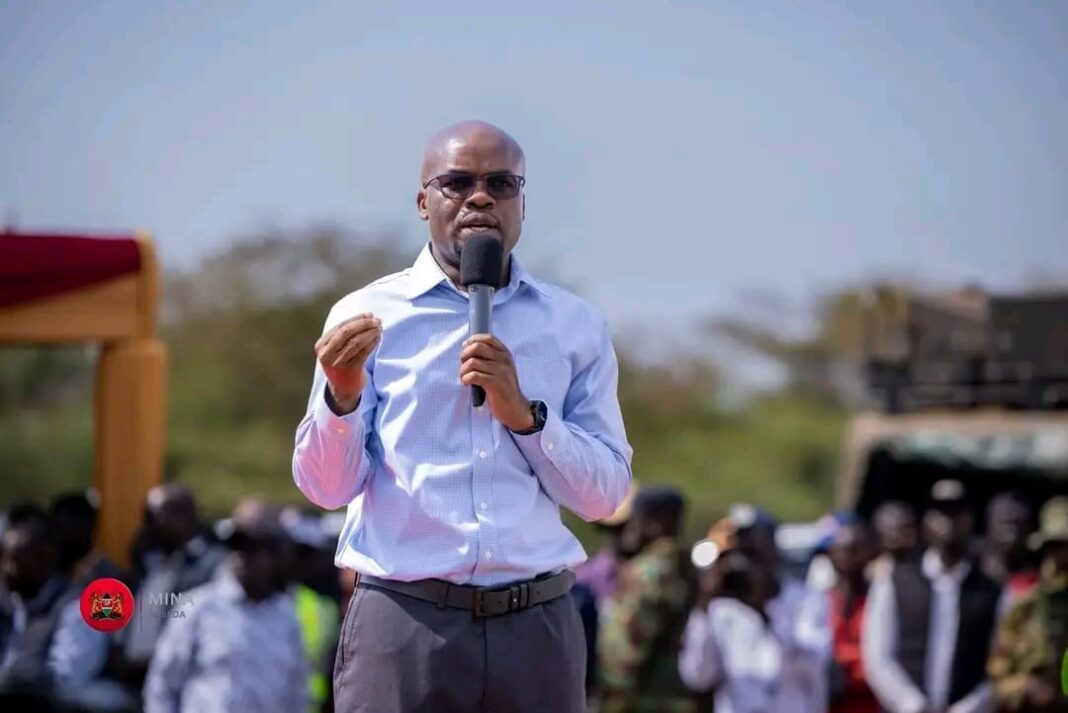
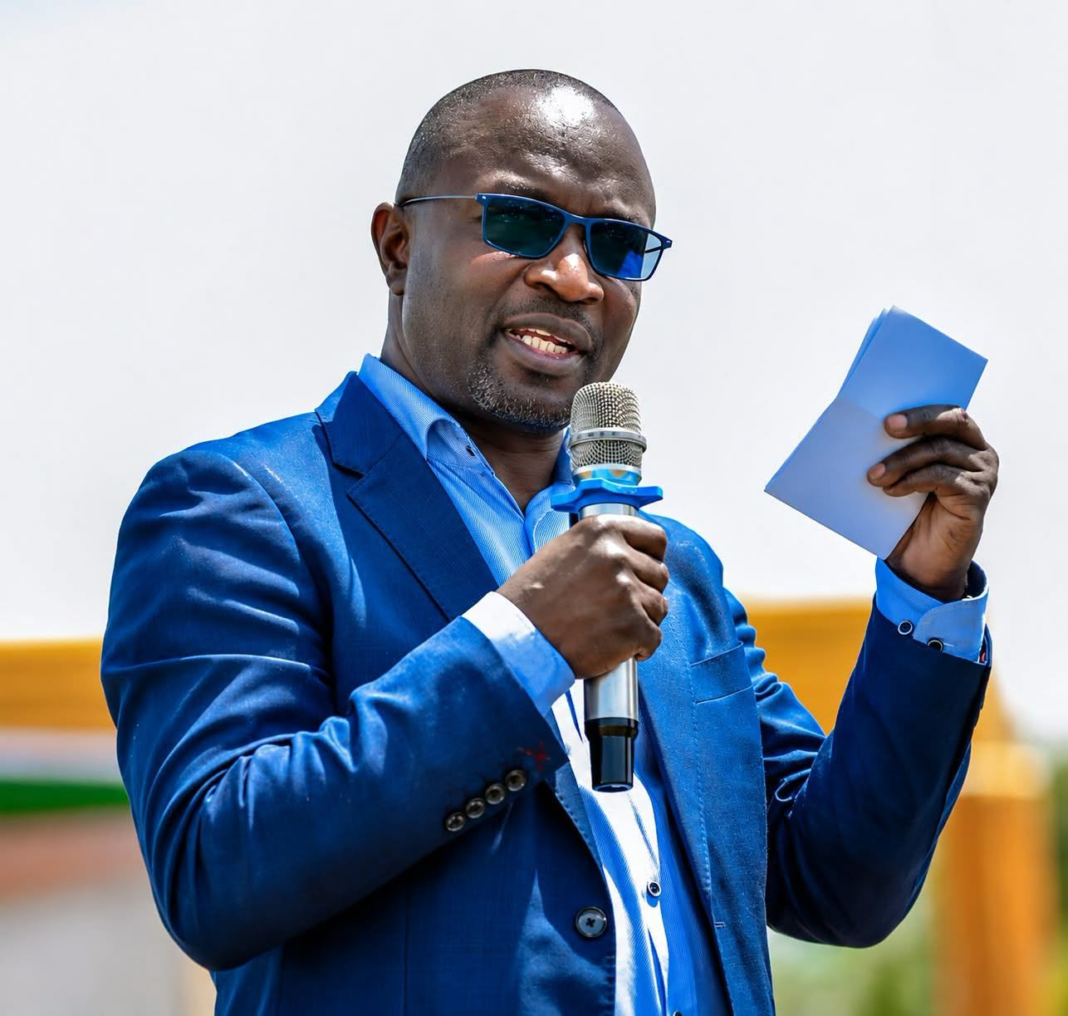
CEC Finance Kisumu and a member of the Beyond 2030 conversation, Mr George Omondi Okongo, said one of the lessons they learnt during the drafting was that countries that managed to realise transformation in a short period of time are those that managed to develop national development plans that transcend regimes.
“We must learn to depoliticise national development plans and look at them from a different lens. We cannot afford to look at all issues from a political lens,” he said.
Okongo, who spoke during a TV interview, said the document that the Kisumu Governor Prof Anyang’ Nyong’o-led team recently handed to President William Ruto was not Vision 2060 but a footpath to a national conversation on the country’s vision.
“The document that was presented to President Ruto did not have mention of Vision 2060, but it was left for broader discussion. The thing about this country is that you can get people discussing a very wrong thing because many people do not read but want to discuss,” he said.
He said the timing was right because Kenya is ever in a political mood all the time, and it would be detrimental to put aside the important conversation because the country is heading to the elections.
“The institutions and the people who will be in charge of the conversation must ensure it is depoliticised. How much time do you need to produce a long-term national vision development plan as a successor to Vision 2030?” he asked.
Separately, President Ruto said Kenya has made tremendous strides in many sectors under Vision 2030, launched in 2008 by President Mwai Kibaki.
“Across the country, we have witnessed the transformation of our infrastructure and the delivery of landmark projects, including the Lamu Port, the Isiolo-Moyale road, and the Nairobi Expressway, among others,” he said.
He said the achievements have expanded opportunity, strengthened connectivity, and laid a strong foundation for the nation’s future.
“As Vision 2030 approaches the end of its course, we gathered at Nairobi’s Kenyatta International Convention Centre to begin an important national conversation: What comes next?” he said.
Ruto said that was not simply a question about another plan or another set of targets. It is an invitation to imagine, together, the Kenya we want to become not only in the next decade, but also deep into the future.
“The defining character of this new endeavour must be that it is citizen-led and people-centred. It must draw its ambition, ideas and aspirations from the people of Kenya,” he said.
He said the government will not prescribe this vision. Instead, it will only play a facilitative role, creating the space, platforms and institutions through which Kenyans can shape the future they desire.
“Our future must be designed through the collective imagination, wisdom and participation of the citizens – youth, entrepreneurs, farmers, workers, academia, civil society and religious groups, among others. We are grateful to the team of distinguished scholars, led by Governor Anyang’ Nyong’o and Prof Hiroyuki Hino, for laying the intellectual foundation for this important conversation,” he said.