
By Valentine Omondi
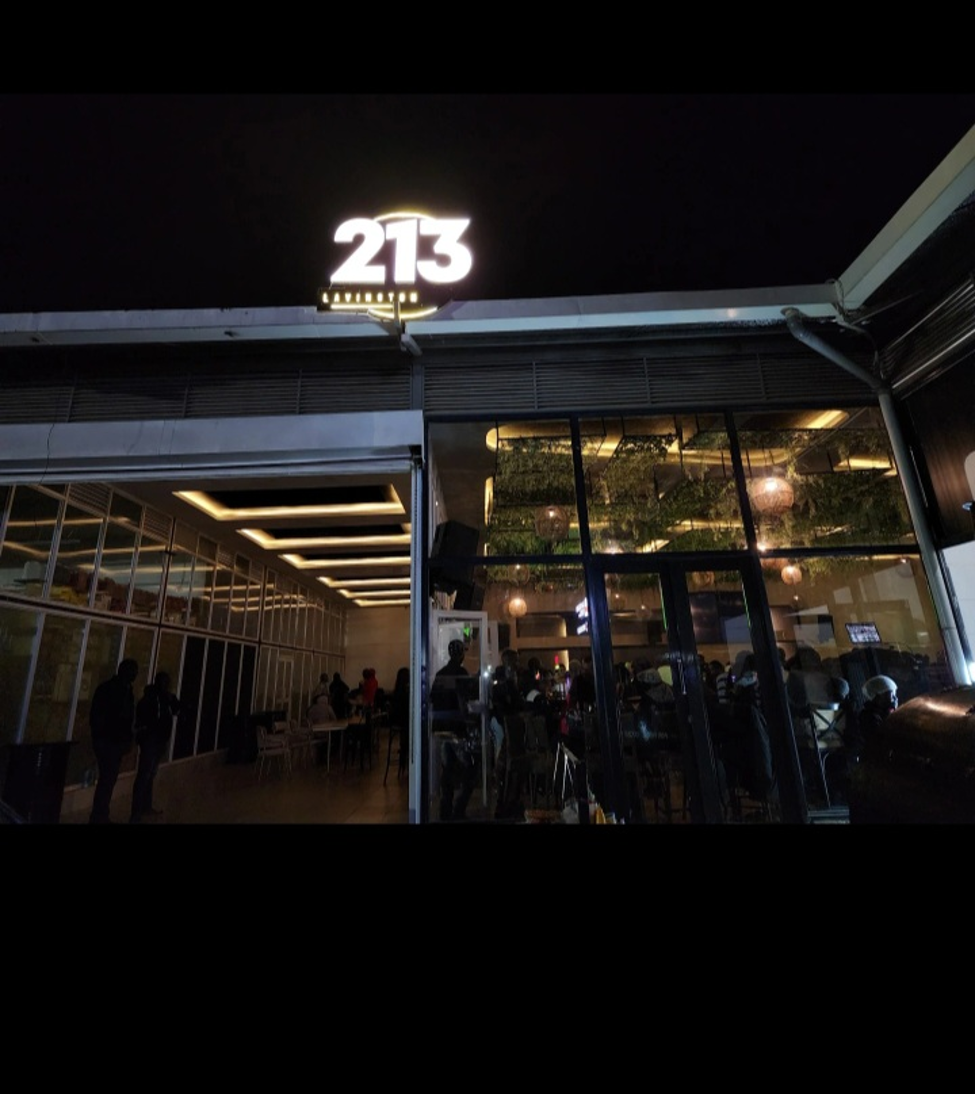
The National Environment Management Authority (NEMA) has ordered the immediate closure of 213 Lavington Club in Nairobi, citing continued noise pollution complaints and failure by the entertainment facility to comply with environmental requirements issued nearly a year earlier.
In a formal Environmental Restoration Order dated 19 August 2026, NEMA directed the management of the club to shut down the facility and undertake a series of environmental measures before seeking re-inspection.
The order, signed by NEMA Director General Mamo B. Mamo, follows what the authority describes as continued complaints over noise from the facility despite an earlier public notice issued in September 2025.
According to the order, NEMA had required the club to provide its Certificate of Incorporation, Environmental Impact Assessment (EIA) licence, current Environmental Audit, details of noise pollution control measures and a written explanation on why legal action or closure should not be taken against the facility.
NEMA says the club failed to provide the requested documents within the stipulated seven days.
The authority further states that it continued receiving complaints about noise from the facility even after the September 2025 public notice.
The latest order now requires the club to close immediately, obtain an EIA licence, soundproof the premises, undertake a noise survey and comply with other environmental laws and regulations.
It also requires the club to maintain environmental records on site and make them available to NEMA inspectors during inspections. Once the conditions have been met, the management is required to invite NEMA environmental inspectors for a re-inspection.
The closure comes against the backdrop of an increasingly contentious dispute between the club, nearby residents, Nairobi County Government and environmental authorities over noise and disturbances associated with its operations.
A warning that dates back to 2025
The closure order is not the first time 213 Lavington Club has been placed under scrutiny by NEMA.
In September 2025, the authority issued a public notice targeting 107 clubs, bars, lounges and restaurants across the country over alleged noise pollution and environmental non-compliance. 213 Lavington Club was among the establishments listed.
NEMA said at the time that it had been receiving complaints from members of the public about excessive noise from entertainment establishments and that several facilities had already been served with Environmental Restoration Orders requiring them to submit environmental compliance documents.
The September notice required affected establishments to provide documents including their certificate of incorporation, EIA licence, environmental audit report, evidence of noise-control measures and an explanation on why legal action or closure should not be taken.
The 19 August 2026 order against 213 Lavington directly refers back to that process, indicating that the authority considered the club’s failure to provide the requested documentation, together with continued complaints, sufficient grounds for further enforcement.
The development therefore marks an escalation of an environmental compliance matter that had remained unresolved for months.
Dispute moves to court
The issue intensified in August 2026 when a Lavington resident, Allan Monroe Onyango, moved to the Environment and Land Court complaining about the club’s operations.
On 3 August, Onyango filed a petition accusing 213 Lounge and Restaurant of playing loud music and causing disturbances to residents in the neighbourhood. He also raised concerns over congestion caused by patrons’ vehicles around the intersection of Isaac Gathanju Road and James Gichuru Road.
The court subsequently issued interim orders restricting the club from playing music for entertainment purposes.
Lady Justice Theresa Murigi also directed Nairobi County and NEMA to inspect the premises and establish whether the facility was complying with environmental regulations governing excessive noise.
On 13 August, the court maintained the order stopping the club from playing music, while allowing controlled music for a limited period during an official sound assessment.
The assessment was to measure noise levels both inside and outside the premises, including at the boundary of the affected neighbourhood. NEMA and Nairobi County were directed to file their reports within seven days.
The court proceedings therefore placed the question of whether the club’s soundproofing measures were adequate under renewed scrutiny just days before NEMA issued its closure order.
Club disputes the complaints
The club has, however, disputed allegations that it has ignored noise concerns or failed to take measures to control sound from its premises.
In an affidavit filed through its lawyer, Caren Lukale, the club told the court that it had undertaken extensive soundproofing works in 2024.
It said it had installed an internationally recognised acoustic glazing system and made substantial physical alterations to the premises aimed at reducing sound transmission to neighbouring properties.
The club further said it had commissioned an independent environmental audit after the latest complaints emerged in July 2026.
According to the club, the resulting Environmental Noise Assessment found that its operations were within the applicable permissible environmental noise limits.
The management also denied deliberately projecting music into the surrounding neighbourhood.
Nairobi County has similarly taken a different position from the latest NEMA enforcement action.
In an affidavit filed in court on 12 August, the county government said the club’s operating licence was valid and up to date. It also said its officers had visited the facility between 16 and 17 July following noise complaints.
The county further told the court that NEMA had carried out various inspections and had found the entertainment facility compliant.
That position adds another layer to the dispute, with the county maintaining that the club had met licensing requirements even as NEMA proceeded to issue the 19 August closure order.
What the closure order demands
Under the latest NEMA order, 213 Lavington must now undertake several measures before it can seek re-inspection.
The facility has been ordered to close immediately and undertake an Environmental Impact Assessment before obtaining the necessary licence from NEMA.
It must also soundproof the facility, conduct a noise survey and demonstrate compliance with other environmental laws and regulations.
NEMA has warned that environmental records must be maintained on site and made available to inspectors.
The authority has further invoked provisions of the Environmental Management and Coordination Act, Cap 387, warning of possible criminal consequences for failure to comply with a lawful environmental order.
NEMA cites Section 137(b) of the Act, under which a person who fails to comply with a lawful order or requirement made by an environmental inspector commits an offence. The provision cited in the order provides for imprisonment of between one and four years, a fine of between KSh2 million and KSh4 million, or both, upon conviction.
The authority also draws attention to Section 145, which provides for liability involving a body corporate and directors or officers who had knowledge of an offence and failed to exercise due diligence to ensure compliance.
The order is therefore more than a directive to reduce noise. It places the club under a formal environmental enforcement process, with compliance required before the facility can seek to resume operations.
A legal battle that may continue
While NEMA has ordered the immediate closure, the dispute is unlikely to end with the enforcement notice.
The authority’s own order expressly informs the club that it has a right to appeal to the National Environment Tribunal if it is aggrieved by the decision.
At the same time, the Environment and Land Court proceedings initiated by the resident remain significant because they brought the noise dispute into the judicial arena just days before NEMA’s latest action.
The sequence of events points to a dispute that has moved through several stages: an initial NEMA crackdown on noise pollution in September 2025, continued complaints, a resident’s court petition in August 2026, interim restrictions on the club’s music, an order for a joint sound assessment by NEMA and Nairobi County, and finally the regulator’s 19 August closure order.
For 213 Lavington, the immediate challenge is now to satisfy NEMA’s environmental requirements, including soundproofing, noise assessment and licensing, before seeking a re-inspection.
For residents, the case has placed a wider question about the coexistence of entertainment businesses and residential neighbourhoods under renewed focus: whether existing licences and soundproofing measures are sufficient when complaints about noise persist, and how environmental regulators and county authorities should enforce the rules governing such establishments.
The answer may ultimately depend on the findings of the environmental assessments, the outcome of the ongoing court proceedings and, if the club chooses to challenge NEMA’s decision, the determination of the National Environment Tribunal.