
By Hope Barbra
Sewage pollution, rising water levels, and human and wildlife displacement pose a serious threat to Lake Nakuru National Park.
Members of the National Assembly raised these concerns and demanded urgent intervention.
The MPs called for urgent intervention to address the growing threat posed by rising water levels, sewage pollution, as well as human and wildlife displacement at Lake Nakuru National Park.
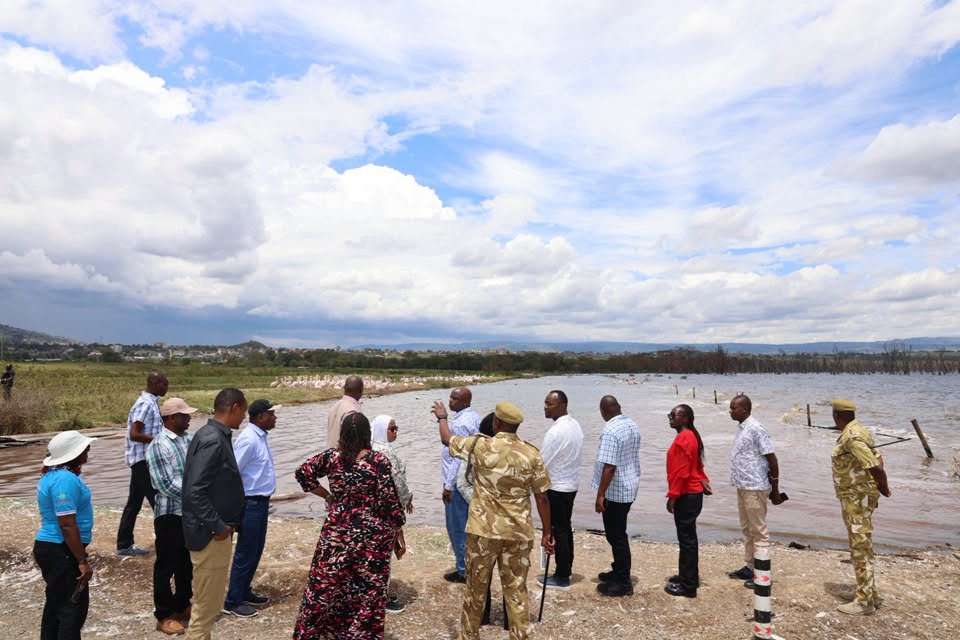
The MPs who spoke on Saturday, 10th October, during a site inspection visit to the KWS headquarters at Lake Nakuru National Park were drawn from the Departmental Committee on Environment, Forestry and Mining.
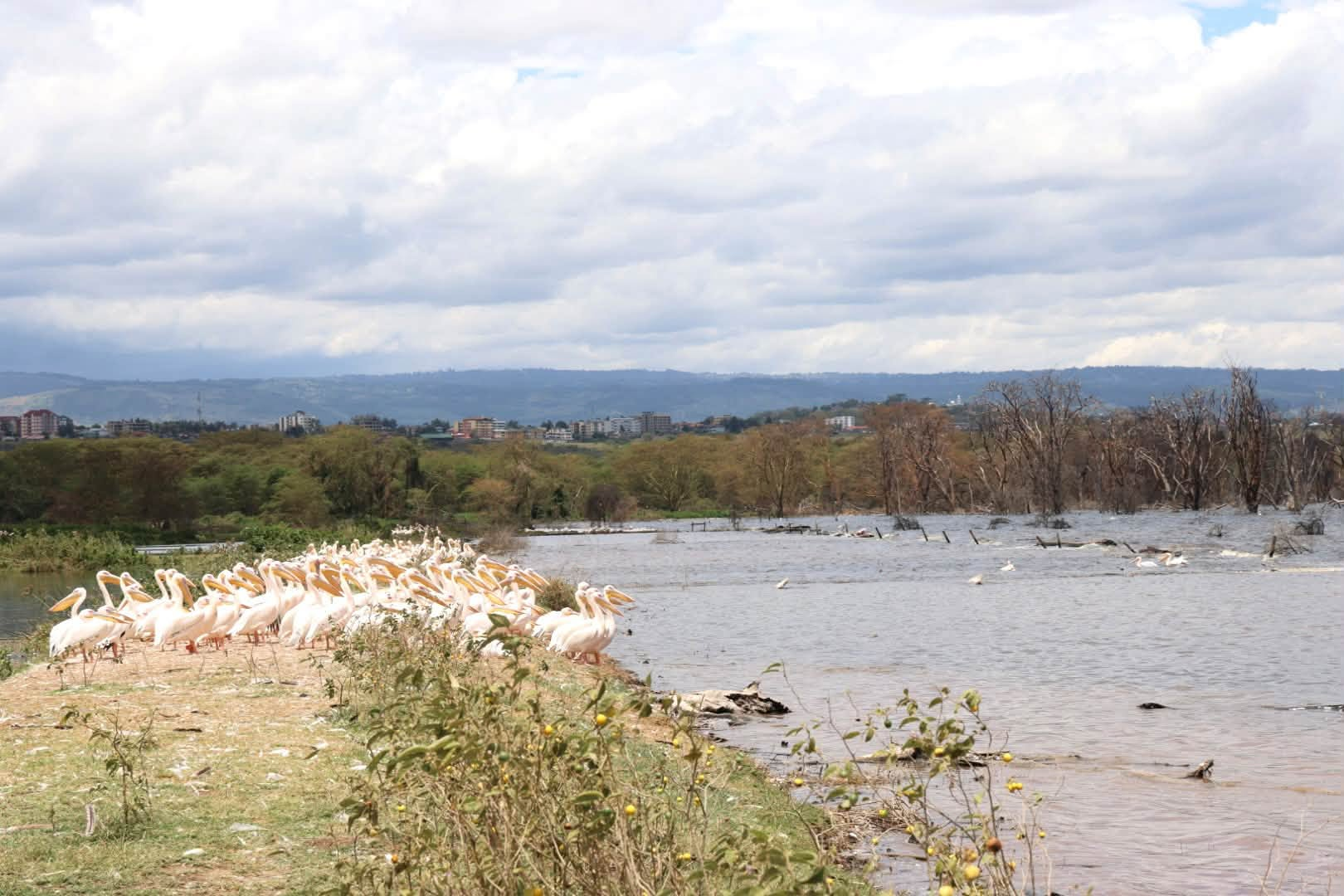
They raised concerns over the potential further mixing of lake water with sewage stabilisation and oxidation ponds, warning that continued flooding could worsen water contamination, damage critical infrastructure and heighten human-wildlife conflict.
Legislators also highlighted the dangers of illegal fishing within the flooded park, including electrocution risks associated with affected power lines.
Concerns were further raised over the reported impact of pollution on tilapia fish and the potential risks to communities that depend on the lake and its surrounding environment.
During the visit, MPs called on the Kenya Wildlife Service (KWS), county governments and relevant ministries to develop a coordinated response to address the environmental and humanitarian crisis in the shortest time possible, citing imminent El Niño rains.
The legislators pressed authorities on the displacement of families, the disruption of education, the loss of lives and livestock, and the need for compensation and resettlement measures.
Hon. Charity Kathambi raised concerns about the reported health implications of water contamination, while Hon. Fatuma Masito and Hon. Gertrude Mbeyu called for specific interventions to support women, young people and displaced families.
Hon. Mbeyu further sought clarification on measures to rebuild affected schools and whether land had been identified for resettling displaced residents.
They also questioned the preparedness of government agencies should further heavy rains occur, warning that continued flooding could deepen the crisis and intensify human-wildlife conflict.
The committee vice-chairperson, Hon. Charles Kamuren, called for an immediate action plan to address the affected sewage treatment infrastructure, urging KWS to move swiftly towards a lasting solution.
In response, KWS said the Government had been undertaking phased compensation for victims, with KSh 23 million earmarked for payment in the 2026/2027 financial year.
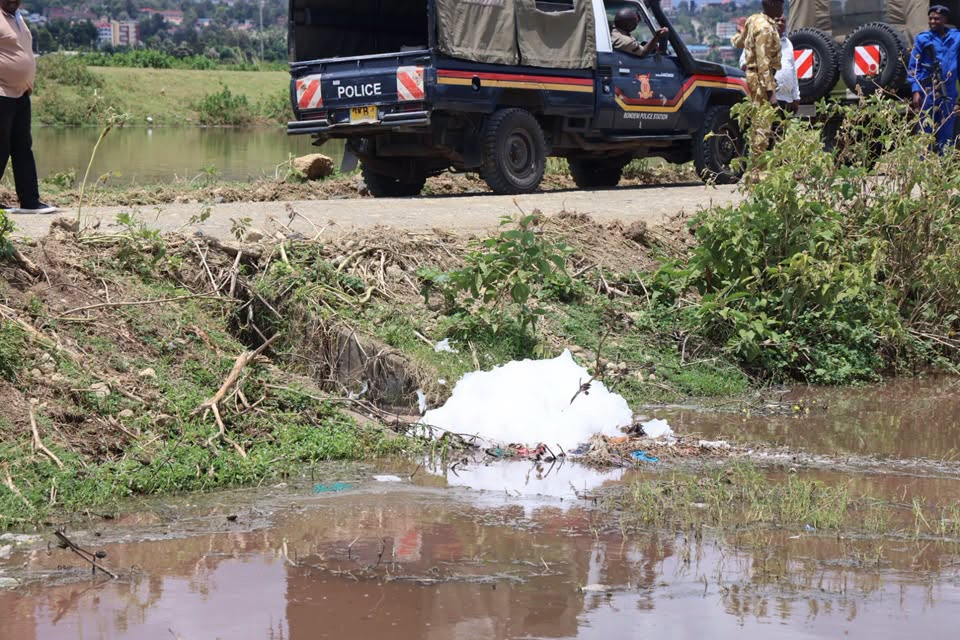
The rising water levels of Lake Nakuru have reportedly submerged between 30 and 40 square kilometres of the park, covered more than 24 kilometres of roads, submerged approximately 2,000 acres of park fencing and displaced more than 200 households.
KWS staff quarters and wildlife paddocks have also been affected, forcing animals out of their usual habitats and into neighbouring communities.
The crisis has also raised particular concern over endangered rhinos, whose sanctuary has been affected by the expanding waters. Authorities have reportedly relocated some rhinos to other protected areas to safeguard their survival.
The Chief Conservator of Forests acknowledged the challenges surrounding compensation and said the agency’s move towards digital processing was expected to reduce waiting times for victims.
Hon. Kamuren stressed that affected residents should not be caught between institutional responsibilities, calling for KWS and county governments to adopt a joint approach to resolving human-wildlife conflict and addressing community grievances.