
By Valentine Omondi
Kenya’s first confirmed imported case of Bundibugyo Ebola virus disease has raised questions about the effectiveness of the country’s border surveillance systems after a man who had reportedly been ill for about a month travelled from the Democratic Republic of Congo (DRC) through Uganda and arrived in Nairobi without being identified as a suspected case during airport screening.
The 40-year-old Kenyan man, who had lived in the DRC for seven years, arrived at Jomo Kenyatta International Airport (JKIA) on Saturday, 3 October, aboard Jambojet flight 8523 from Kampala, Uganda. He was subsequently taken to Nairobi Hospital, where he was isolated and tested for the virus.
The Ministry of Health confirmed the infection on Tuesday, 6 October, after laboratory tests conducted by the National Virology Reference Laboratory and the Kenya Medical Research Institute independently returned positive results. The patient died on 5 October while receiving treatment.
The case has prompted scrutiny of the screening procedures at Kenya’s main international airport and the coordination of disease surveillance between countries as the Ebola outbreak in the DRC continues to pose a regional public health threat.
Kalonzo Demands Answers Over Airport Screening
Wiper Patriotic Front leader Kalonzo Musyoka questioned how the patient managed to enter Kenya despite the health screening measures in place at JKIA.
In a statement issued on Tuesday, 6 October, Kalonzo called for a full account of the circumstances surrounding the patient’s arrival, including whether airport and border screening systems had failed to identify the suspected infection.
His concerns placed the Government’s handling of the case under scrutiny, particularly given the patient’s reported illness before travelling to Kenya.
However, the circumstances surrounding the screening process do not, on their own, establish that officials breached established procedures. The Government must clarify what checks were conducted, what symptoms were observed and whether the patient’s travel history triggered further assessment.
The questions also extend beyond JKIA to the coordination of surveillance measures in the DRC, Uganda and Kenya, through which the patient travelled before the infection was confirmed.
Africa CDC Calls for Stronger Surveillance
Africa Centres for Disease Control and Prevention Director-General Jean Kaseya said the case raised questions about the ability of public health authorities to identify and track potentially infected travellers across national borders.
Speaking to the Associated Press on Tuesday, 6 October, Kaseya said:
“We need to ensure that at point of entry, we have a strong surveillance system in place.”
He said immigration and customs officials who had interacted with the patient would also be included in contact tracing.
Kaseya noted that the patient had not appeared on existing contact lists in the DRC, highlighting the difficulty of tracing infections when a person’s illness has not been linked to an identified case or recorded exposure.
“Before saying that the outbreak is under control, you need to ensure that you have a contact list where all cases are coming from,” he said.
The remarks underline the importance of linking surveillance systems across countries, particularly when travellers move through several locations before their infections are confirmed.
The circumstances of the Kenyan case also raise questions about whether information about suspected infections is reaching border and airport health teams quickly enough to support early detection.
Government Intensifies Screening and Contact Tracing
Health Cabinet Secretary Aden Duale said on Wednesday, 7 October, that Kenya was not experiencing a wider Ebola outbreak, describing the confirmed infection as an imported case.
Image
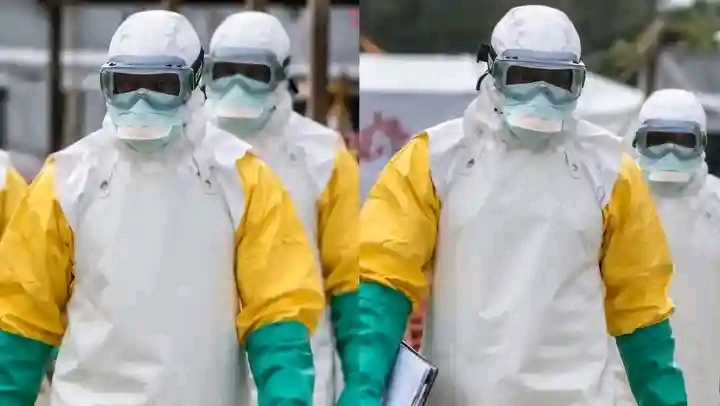
The Ministry of Health said it had identified 28 contacts, including family members and health workers who attended to the patient. Authorities were also tracing 23 passengers and four crew members who travelled on the same flight from Kampala to Nairobi.
The Government has since intensified screening at points of entry, including JKIA and the Malaba border crossing, as health officials work to identify people who may have been exposed.
In its statement dated 6 October, the ministry reported that 652,584 travellers had been screened and 267 samples tested across five laboratories since the outbreak began in May 2026.
The ministry also said 4,971 health workers at national and county levels had received training in Ebola prevention and management.
The figures indicate that Kenya had already established surveillance and laboratory measures before the imported case was confirmed. However, the circumstances of the patient’s journey have raised questions about how effectively those systems identified people who might require further assessment.
Wetang’ula Urges Vigilance Along Uganda Border
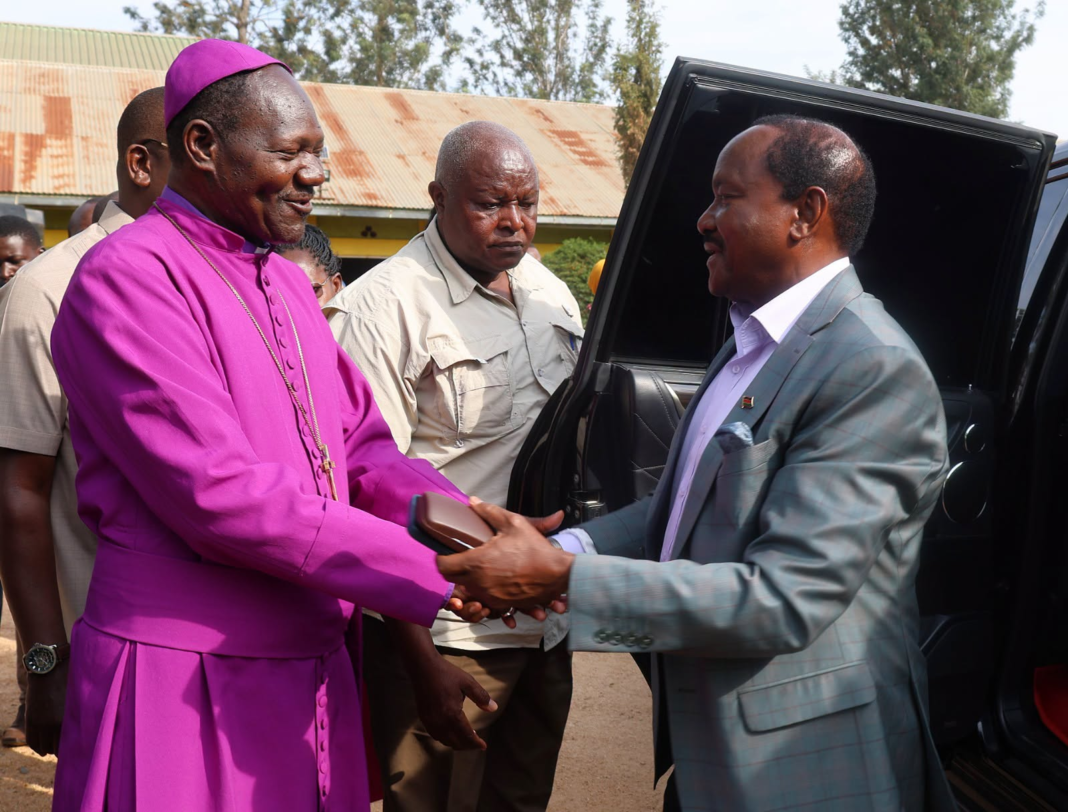
National Assembly Speaker Moses Wetang’ula has urged residents living along the Kenya-Uganda border to follow public health guidance as authorities strengthen surveillance.
Speaking at Kimaeti Primary School in Bungoma County on Friday, 9 October, Wetang’ula said residents should remain alert but avoid unnecessary panic.
“There is no cause for worry over the spread of Ebola in Kenya but strict adherence to precautionary measures will help the country avoid devastating situations such as those experienced during the COVID-19 pandemic,” he said.
Wetang’ula also called for truck drivers to receive particular attention during screening because of their frequent cross-border movements.
Bungoma Governor Kenneth Lusaka said county health workers were working with national government officials to strengthen disease surveillance and public awareness.
“We are aware of the risks the county faces because it borders Uganda. That is why our medical staff are working with those from the national government to screen people travelling into the country from Uganda while creating awareness about precautionary measures against the disease,” Lusaka said.
The statements reflect growing attention to land border surveillance, where frequent movement of people and commercial transport makes coordination between national and county health authorities important.
Regional Outbreak Raises Stakes for Kenya
Kenya’s case comes amid a major outbreak of Bundibugyo Ebola virus disease in the DRC.
In a disease outbreak update published on 8 October, the World Health Organization reported that the DRC had recorded 8,728 confirmed cases and 4,205 confirmed deaths as of 6 October.
The outbreak had spread across 64 health zones in seven provinces, with the latest developments reinforcing concerns about the risk of further transmission across national borders.
The WHO said public health response measures had been initiated in Kenya and Uganda, including contact tracing and enhanced surveillance.
The organisation is working with the Kenyan Government to strengthen case investigation, identify contacts and improve screening at high-risk points of entry.
The outbreak’s regional reach makes cooperation between countries essential, particularly where travellers may have spent time in affected areas before symptoms are recognised or an infection is confirmed.
Kenya’s immediate challenge is to trace and monitor people who may have been exposed while establishing exactly how the infected traveller passed through the country’s screening system without being identified as a suspected case.
The Ministry of Health has urged the public to follow official guidance, practise good hand hygiene and seek medical attention if symptoms develop after possible exposure.
As contact tracing continues, the findings from the patient’s journey could help authorities determine whether existing screening procedures require changes and how surveillance can be strengthened across airports and land borders.