
By Anderson Ojwang
Several years ago, a young couple deeply in love landed in the interior of Suba South, at a place called Lak Nyiero. Lak Nyiero loosely translates to “teeth laughter”.
Despite being roughly 15 kilometres from the world’s second-largest freshwater lake, Lake Victoria, residents of Lak Nyiero suffered constant water insecurity and had to walk 30 kilometres every day to fetch water for domestic use.
In the village, there was a small water fountain from which residents collected water, but it dried up due to climate change.
Your People Shall Be My People
The young, charming and beautiful lady, Alice Kirenge, born and brought up in Kaloneni, Mombasa, and Nairobi, had never in her life witnessed water scarcity. For her, water was everywhere.
The young and handsome gentleman from Lak Nyiero, Dennis Rangi, after travelling over 1,000 kilometres in search of love, could not allow water insecurity to scatter his dream of tying the knot with the lady from the Coast.
Alice told her love, rock Dennis, that his people would be her people and that the water problem should be the bond that bound them together.
“I told myself, if it is water that could be an impediment to my future and happiness, I will ensure that there is water, and indeed, I have 300,000 litres of water at any time in my home,” she said.
The Sokoni women Empowerment Initiative
For Alice, the pain the women and children in the village were going through in search of water was unbearable and tormenting. Something had to be done urgently and immediately.
Alice founded the Sokoni women Empowerment Initiative, through which local women formed groups and collected money to purchase tanks.
“The idea was simple. I wanted ownership of the project and sustainability. Each member was expected to save Sh10,000, and I would look for the balance to purchase the 10,000-litre tank,” she said.
For her, nothing was going to stop her from realising the dream. To make it a reality, she asked her friends within and outside the country to support the initiative.
“I candidly remember one time when the women had saved enough for the next phase of distribution. I had not raised enough money. I was in a panic, but I couldn’t afford to fail. I wrote one proposal after another. I was able to secure the support and deliver. It was the greatest test of my life,” she said.
2 Million Litres of Water
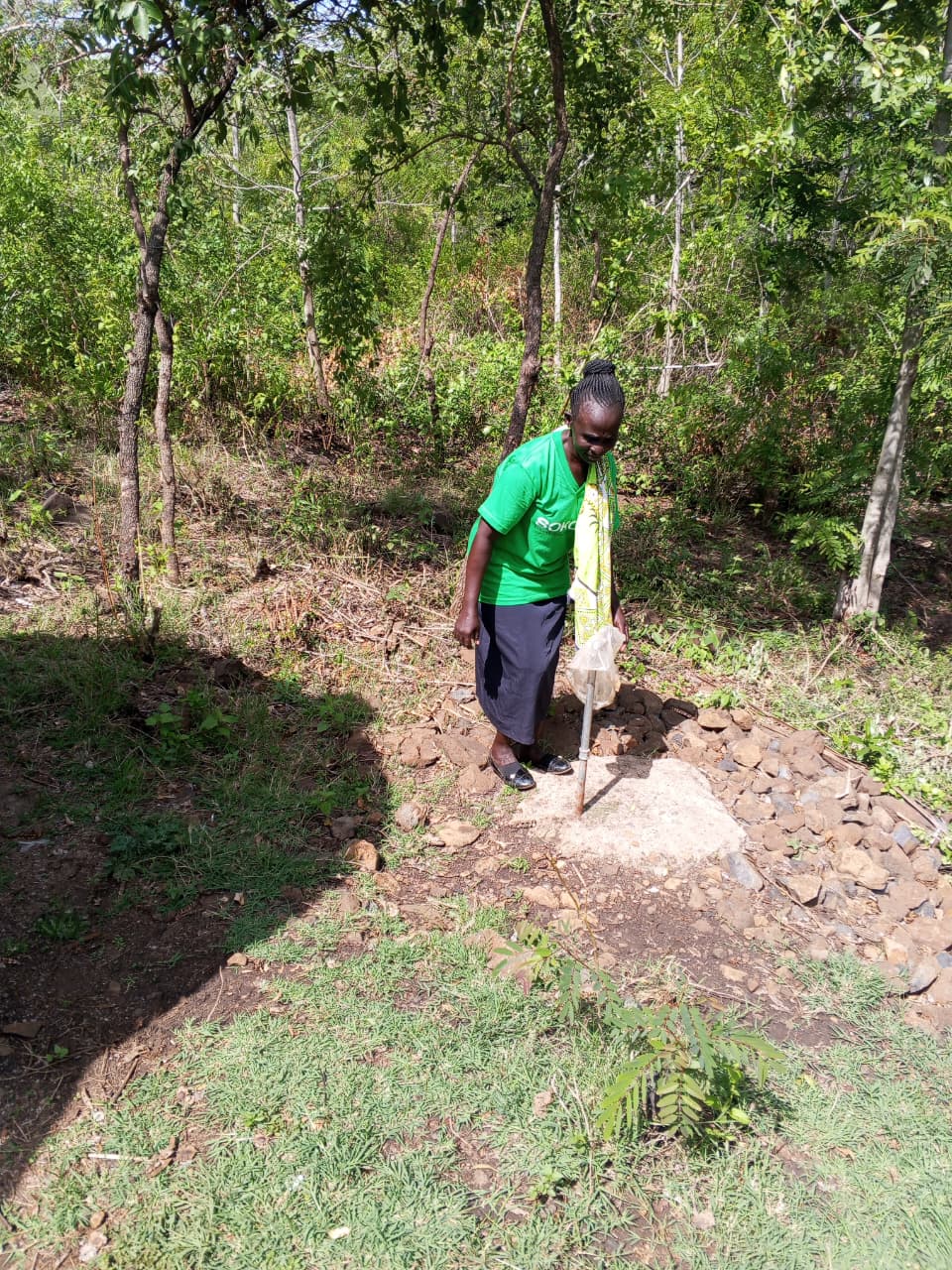
Through rooftop water harvesting, the Sokoni women Empowerment Initiative boasts of over 2 million litres of water in the village at any particular time of the year.
“We no longer walk long distances to fetch water. We have rainwater harvested, and this has been able to see us through all the seasons,” said an official, Alice Muthoni.
Muthoni, a resident of Kigoto, said the water tank support was a classic example of how a small intervention can impact a community. Today, no woman treks 15 kilometres to fetch water.
“Our story is reflected in the reduced number of girls dropping out of school and cases of early pregnancies, the saving culture and our economic independence. We have kitchen gardens, and we look forward to expanding other projects,” she said.
The Rotary Club of Karura
The story told in the village is about the good tidings that the Rotary Club brought to the community. In the village, one woman had unsuccessfully tried for four years to have a second child.
For almost five years, it was a period of pain and despair for her, a resident of Lak Nyiero in Suba South Sub-County.
Her life had been pre-programmed and conditioned to follow a linear channel. This was occasioned by the biting water insecurity in the area.
Her day began at 4.00 am, when she and other women from the community would trek 15 kilometres to fetch water from Lake Victoria. They would carry a 20-litre jerrycan of water, and that became their routine.
After fetching water, she, like any other woman, would attend to family chores before returning to the lake later in the afternoon to fetch more water.
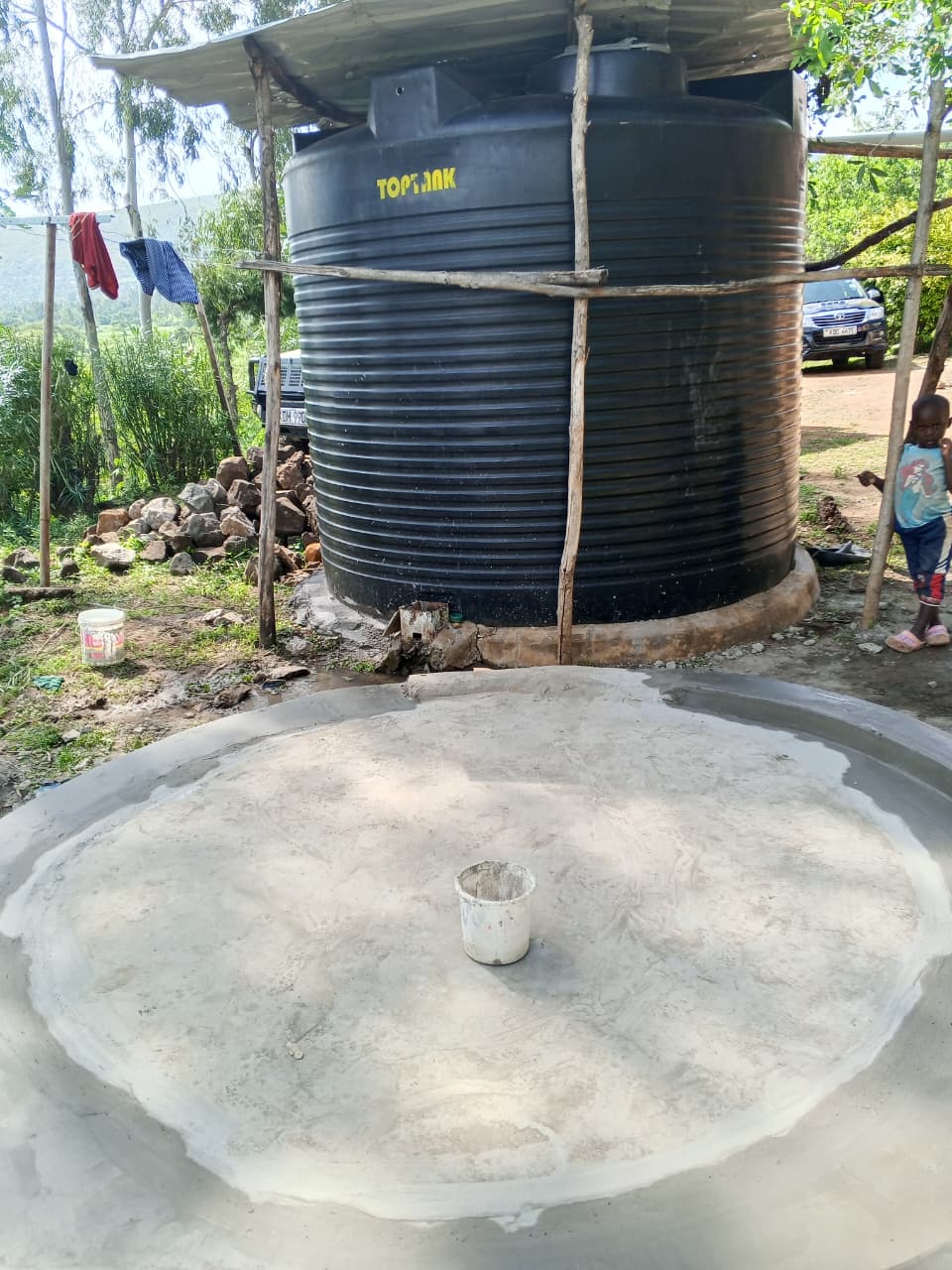
However, a year after benefiting from the Rotary Club’s tank donation, she delivered a bouncing baby boy, named Dennis Tangi. For the Sokoni women Empowerment Initiative, this was a milestone, as procreation has now been enhanced in the village.
President
The 2026–2027 President of the Rotary Club of Karura, Nairobi, Ms Ruth Zame, said Mrs Kirenge, a former president of the club, had pleaded the community’s case, enabling them to intervene.
“We were touched by the adverse situation the women were going through and decided to come in and support where possible. We felt touched that the Sokoni women had to walk 16 kilometres to fetch water. We had to do something,” she said.
Ms Zame said the club opted to support water harvesting by providing water tanks to ensure access to water.
“We have been bringing in 10,000-litre tanks. We started the project in October 2024 and have continued to date,” she said.
The Rotary Club of Karura has partners both locally and internationally, including Badajoz in Spain and the Rotary Club of Peachtree City in Georgia, USA.
“Locally, we are partnering with the Sokoni Women Development Initiative. They were introduced by past president Alice Kirenge.
“Women contribute a percentage and top it up to afford the tanks,” she said.
Package
The package includes a 10,000-litre tank, plumbing, gutter works, capacity building and water purification.
Success
Ms Zame said the success stories from the intervention were numerous, ranging from education to water treatment.
“We have impacted 2,000 villages, undertaken health training and mentorship programmes, witnessed a reduction in early pregnancies and provided exposure to the community,” she said.
She said that currently, most homesteads have flourishing kitchen gardens, which have ensured food security and a reduction in waterborne diseases.
Tanks
Ms Zame said that before the Rotary Club of Karura intervened, Mrs Alice had distributed 104 tanks across the region.
“We have been able to distribute 100 water tanks, and in total, this accounts for over 2 million litres of water in the community,” she said.
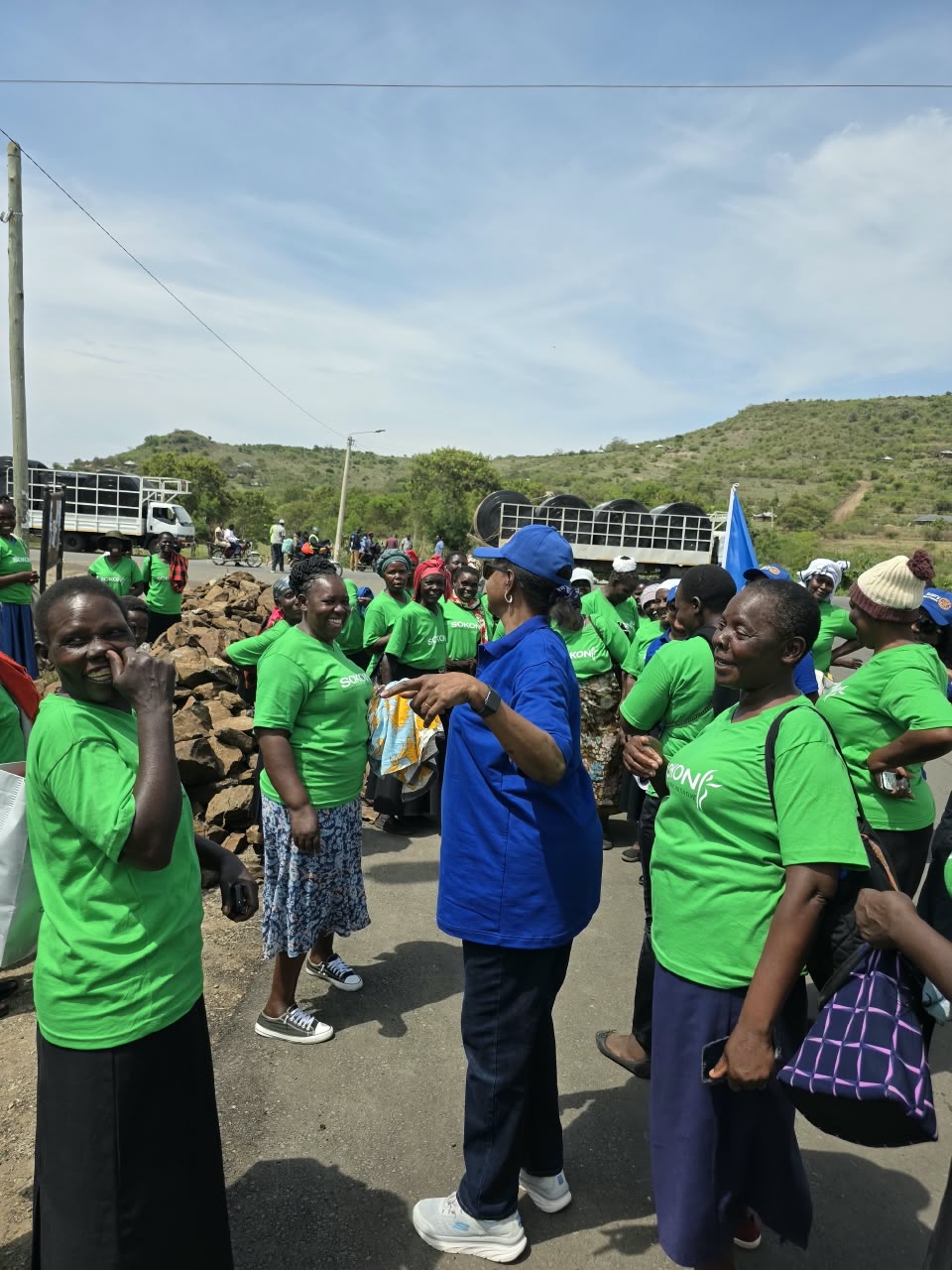
Last Monday, the club distributed another 24 tanks and gutters to women in Suba South in an event marked by pomp, songs and dance.