
By Reporter
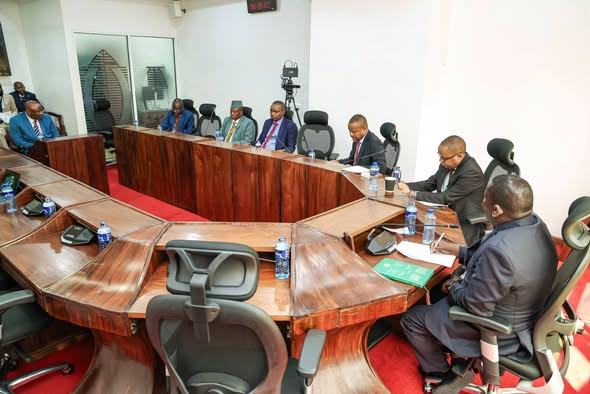
The National Assembly Budget and Appropriations Committee was considering a legislative proposal aimed at unlocking Kenya’s leather industry potential by encouraging local processing of hides and skins, strengthening domestic manufacturing and creating opportunities for job creation and improved earnings for livestock farmers.
The Miscellaneous Fees and Levies (Amendment) Bill, 2026, sponsored by Hon. Patrick Makau, seeks to increase the export levy on raw hides and skins from 50 per cent to 80 per cent and discourage the export of raw hides and skins while encouraging their processing into finished leather, footwear and other leather products within the country.
In a meeting led by Vice Chairperson Hon. Robert Pukose, Members examined the draft Bill’s potential to support local tanneries, improve farmers’ earnings and promote value addition within Kenya’s leather industry.
Lawmakers noted that Kenya continues to export substantial quantities of raw hides and skins despite having an established tanning industry, limiting the country’s ability to capture the full economic value of its livestock resources.
According to the Parliamentary Budget Office, the value of raw hides and skins exported from Kenya increased from US$120,000 in 2020 to US$3.58 million in 2024, while export volumes rose from 221 tonnes to approximately 8,974 tonnes over the same period.
Research indicates that retaining more of these materials locally could provide a stronger supply base for domestic processors, stimulate manufacturing and create opportunities for growth across the leather value chain.
Makau said exporting raw materials denied Kenya an opportunity to earn greater returns through local processing, noting that farmers could benefit from stronger domestic demand and improved access to manufacturers.
“By exporting raw materials, we do not get as much foreign exchange as we would if we processed and sold finished products. If we sell locally, the farmer is likely to make more money,” Makau said.
He added that the proposed legislation would help protect the local leather industry and bring manufacturers closer to farmers, potentially reducing reliance on intermediaries in the supply chain.
Supporting the proposal, Hon. Samuel Moroto said the country needed to strengthen its domestic leather industry and make better use of locally available raw materials.
Hon. Dan Mwashako also backed the legislative proposal, citing challenges experienced by trainees from his county who had undertaken tannery training but struggled to access hides and skins for processing.
He said the proposed measure could help address raw-material shortages affecting local industries, while urging the Committee to establish whether existing tanneries had sufficient capacity to absorb the additional supply.
Hon. Jane Kagiri sought clarification on how the Bill would protect farmers, while Hon. Pukose questioned whether retaining more hides and skins locally would increase domestic demand and reduce the role of brokers in the supply chain.
The Parliamentary Budget Office report indicates that Kenya has approximately 19 tanneries, of which 13 were reported to be active in an earlier sector assessment. Their estimated combined capacity stands at about 3.3 million cattle hides and 6.3 million sheep and goat skins.
The proposed amendment, if adopted, will strengthen the supply of hides and skins to local processors, provided the industry can absorb the additional materials and expand its capacity to produce higher-value goods.
In their deliberations, lawmakers noted the importance of aligning the proposed levy with complementary interventions to improve hide collection, preservation and grading, strengthen tannery capacity, promote investment in modern technology and expand markets for finished leather products.
The Committee is expected to prepare a report on its consideration of the draft Bill.