
By Billy Mijungu
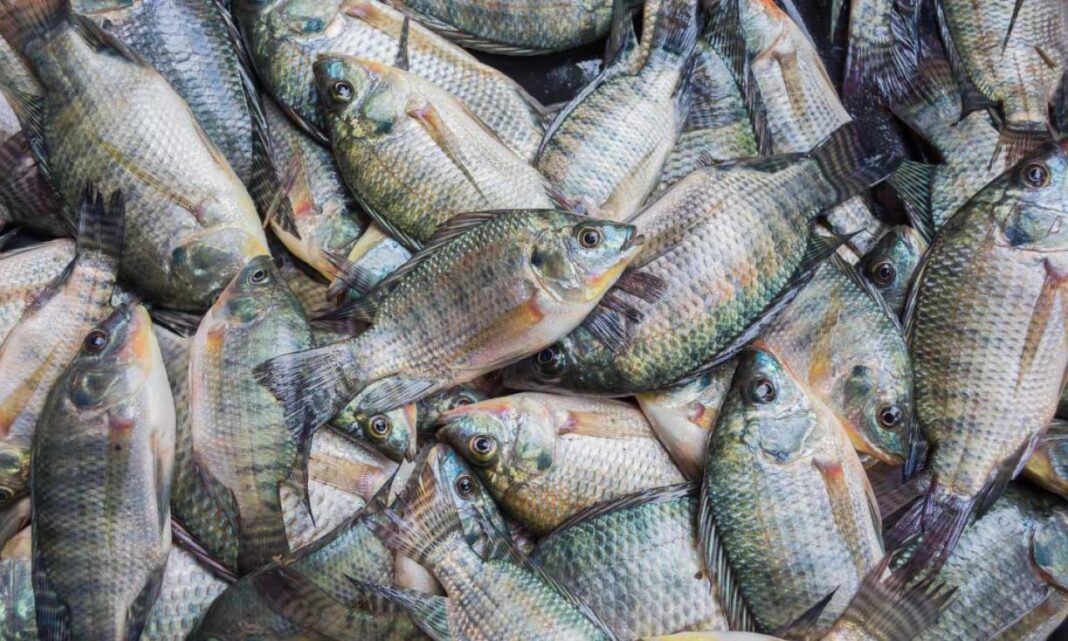
If there is one of the most underutilized sectors with the potential to deliver real economic freedom, it is the fishing industry in Migori.
A closer look at the opportunities reveals that fishing, in its raw form, already employs thousands of people who venture out day and night to cast their nets. However, this effort remains largely informal and low-return. Productivity, safety, and income levels can be significantly improved through investment in modern fishing boats, motorized vessels, GPS technology, and high-quality nets. Training fishermen on sustainable fishing practices would also ensure long-term viability of the resource.
Beyond the waters lies an even greater opportunity—the value chain. At fish landing sites, a secondary economy can thrive through structured investment in cold storage facilities, ice plants, and modern processing units. This would drastically reduce post-harvest losses, which currently eat into fishermen’s earnings, while creating employment for technicians, machine operators, transporters, and traders.
Value addition is the true game changer. Instead of selling raw fish at low prices, Migori can process fish into fillets, packaged products, fish oil, and other export-ready goods. Proper branding and certification would open doors to regional and international markets, particularly within East Africa and beyond.
The ripple effects extend further. Growth in the fishing industry will naturally stimulate the hospitality sector—hotels, restaurants, and local eateries—turning fishing zones into vibrant economic hubs. With proper planning, these areas can evolve into tourism attractions, combining fresh fish cuisine with cultural experiences around Lake Victoria.
Additionally, fish by-products present untapped industrial potential. Fish waste can be processed into high-protein animal feed, directly complementing Migori’s sugarcane sector and strengthening agro-industrial linkages. This circular economy approach minimizes waste while maximizing value.
Infrastructure remains key. Improved road networks, reliable electricity, and access to affordable financing will determine the speed at which this transformation occurs. Cooperative societies and public-private partnerships can play a crucial role in mobilizing resources and ensuring inclusivity, especially for small-scale fishermen.
There is also a need for strong policy direction. County leadership must prioritize the blue economy by creating investor-friendly policies, enforcing quality standards, and supporting innovation in fish farming (aquaculture) to supplement natural fishing.
With both a ready local market and strong export potential, Migori stands at a strategic advantage. Yet, despite this promise, the fishing industry currently contributes only a modest 1.2% to the Gross Domestic Product (GDP).
This must change.
Migori County has the opportunity to establish modern fishing industrial complexes—integrated hubs that combine harvesting, processing, packaging, storage, and distribution. Such complexes would not only unlock economic growth but also create thousands of jobs, increase household incomes, and position Migori as a leading blue economy powerhouse in the region.
The future of Migori’s economy may very well lie in its waters. What is needed now is vision, investment, and deliberate action.