
By Habil Onyango
An Early Childhood Development and Education (ECDE) feeding programme provides critical nutritional support, which boosts brain development, increases school enrolment, and enhances daily attendance.
Many learners in many countries suffer from classroom hunger; these programmes are essential for concentration and overall cognitive development.
However, it is worth noting that despite the programme, learners are entitled to clean and safe learning infrastructure, which is essential as they shift the focus from routine memorisation to skill-building.
Learners utilise technology, flexible layouts, and self-paced models to foster critical thinking, collaboration, and digital literacy. This ensures students are well-prepared for the demands of the real world.
In Homa Bay County, the administration has prioritised infrastructure development before venturing into the feeding programme.
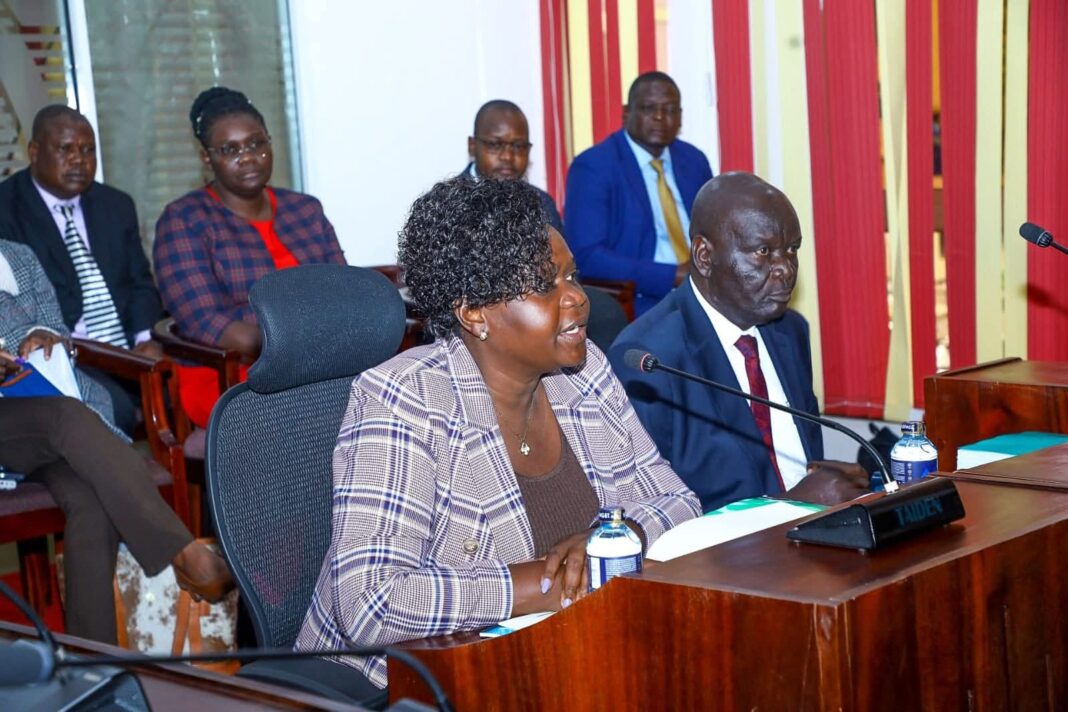
Appearing before the Senate Standing Committee on Education chaired by Senator Betty Montet, Homa Bay Governor Gladys Wanga noted that her government had prioritised infrastructure because they found insufficient work done by the previous regime during their 10-year tenure when they came into power.
Wanga, however, assured the committee that her administration is working on the programme and the model, as it is one of the priorities in the education sector among the ECDE.
“We shelved the feeding programme, even though it is a priority for us. We are going to work out the cost and the model that will work for us since we have to feed our children even on islands,” said Wanga.
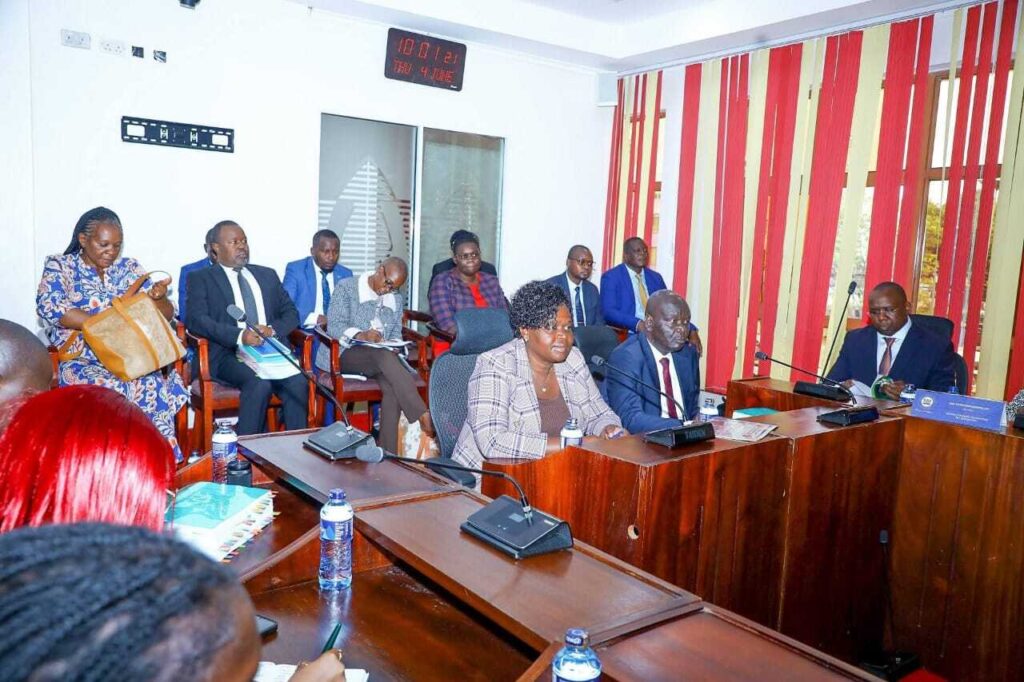
The governor, who was flanked by County Committee Members Martin Opere (Education) and Solomon Obiero (Finance), was also asked to explain why some schools have very high teacher-to-learner ratios.
She admitted the issue, noting that her administration has been verifying personnel in the system, especially those hired on contract when she took leadership.
The governor said they started with teachers hired in 2013, and the verification process has been ongoing, although it incurs high payroll costs.
She revealed that her administration has not hired new teachers yet but has completed confirmations and plans to begin hiring in the next financial year.
“We have placed 1,657 teachers on permanent and pensionable terms and are working toward a 1:25 teacher-pupil ratio.”
The county supports over 60,000 learners across 881 ECDE centres.
Wanga also revealed that through the “Ondoa Kaunda” Classroom Initiative, her administration has upgraded infrastructure in 604 centres, down from 23 centres inherited from the previous regime, at a cost of Ksh 1 million per classroom, with local contractors carrying out the work.
“Some village committees do the construction works and even leave some cash for furniture. The level of prudence is remarkable, and the most important thing is the economic stimulus,” she said.
“So, in case we disburse Ksh 3 million, all the money remains in the region, circulating locally among contractors and hardware shops,” added Wanga.
She further revealed that all 35 public Vocational Training Centres are operating optimally, with modern infrastructure and 1,200 youth trained and certified through the “Fundi Mang’ula” Initiative.
“We remain committed to giving Homa Bay’s children and youth equal opportunities to reach their educational and career goals,” she stated.
“We have made significant progress in education; we found 23 ECDE classrooms, and by the end of this financial year, we will have built over 600 classrooms in less than four years. This reflects the tremendous effort we have put into education,” she concluded.