
By Valentine Omondi
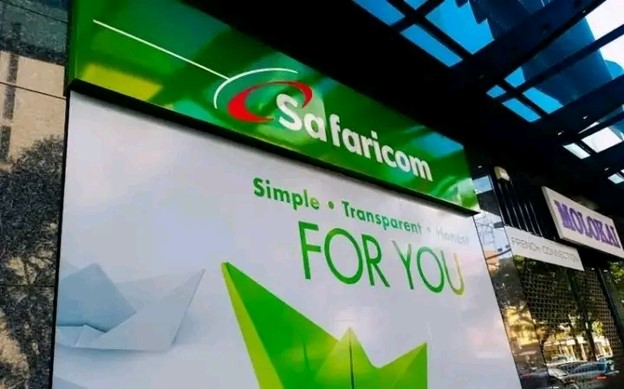
The High Court has nullified the Government’s sale of a 15 per cent stake in Safaricom to Vodacom, ruling that the multibillion-shilling transaction violated constitutional requirements on public participation, transparency and accountability.
A three-judge bench declared the partial divestiture null and void and ordered that the 15 per cent shareholding be restored to the Government of Kenya to be held on behalf of the people.
The decision overturns a transaction that was completed in June after Vodacom acquired the Government’s stake at Sh34 per share, with the State receiving about Sh204 billion for the shares. Vodacom also acquired an additional effective five per cent stake from Vodafone, taking its overall ownership of Safaricom to about 55 per cent.
The court found that the Government failed to undertake meaningful public participation before disposing of the strategic State asset.
The judges further faulted the Government for failing to provide the public with adequate information about the transaction, including key details concerning the intended buyer.
The bench described the Government’s handling of information surrounding the transaction as involving “unexplained obscurity”, finding that material information and documents were concealed or withheld during the public participation process.
The court said public participation cannot be reduced to a cosmetic exercise, stressing that citizens must receive sufficient information to make informed contributions when the Government makes decisions involving public assets.
The judges consequently quashed the agreements, approvals and arrangements relating to the sale, merger, takeover or transfer of the Government’s Safaricom shares.
How the deal unfolded
The Government announced the planned sale in December 2025, arguing that the partial divestiture would mobilise non-tax revenue for national development while allowing the State to retain a strategic stake in Safaricom.
Treasury said the transaction would generate about Sh244.5 billion in gross proceeds and that the money would provide seed capital for the National Infrastructure Fund and Sovereign Wealth Fund. The Government initially held a 35 per cent stake in Safaricom before the sale.
The transaction immediately attracted legal challenges, with petitioners questioning the legality of reducing the Government’s ownership in one of Kenya’s most strategically important companies.
In May, the High Court had issued conservatory orders blocking the planned transfer of the 15 per cent stake while the constitutional petitions were being determined.
The Court of Appeal later lifted the orders in June, clearing the way for the transaction to proceed. Vodacom subsequently announced that it had completed the acquisition of the additional 20 per cent effective stake, comprising 15 per cent from the Kenyan Government and five per cent from Vodafone.
The High Court’s latest ruling has now reversed that position, ordering the restoration of the Government’s 15 per cent holding.
The Government is expected to challenge the decision, setting the stage for another legal battle over the ownership of the shares and the process through which the State disposed of the strategic asset.
The ruling also places renewed focus on how the Government disposes of public assets, particularly transactions involving companies considered strategically important to Kenya’s economy and national interests.