By Reporter
Every rainy season has been a constant worry to widow Rose Abuya.
Despite the rainy seasons being viewed by the community as good omen that is expected to bring bumper harvest, for Abiya it’s all pain .
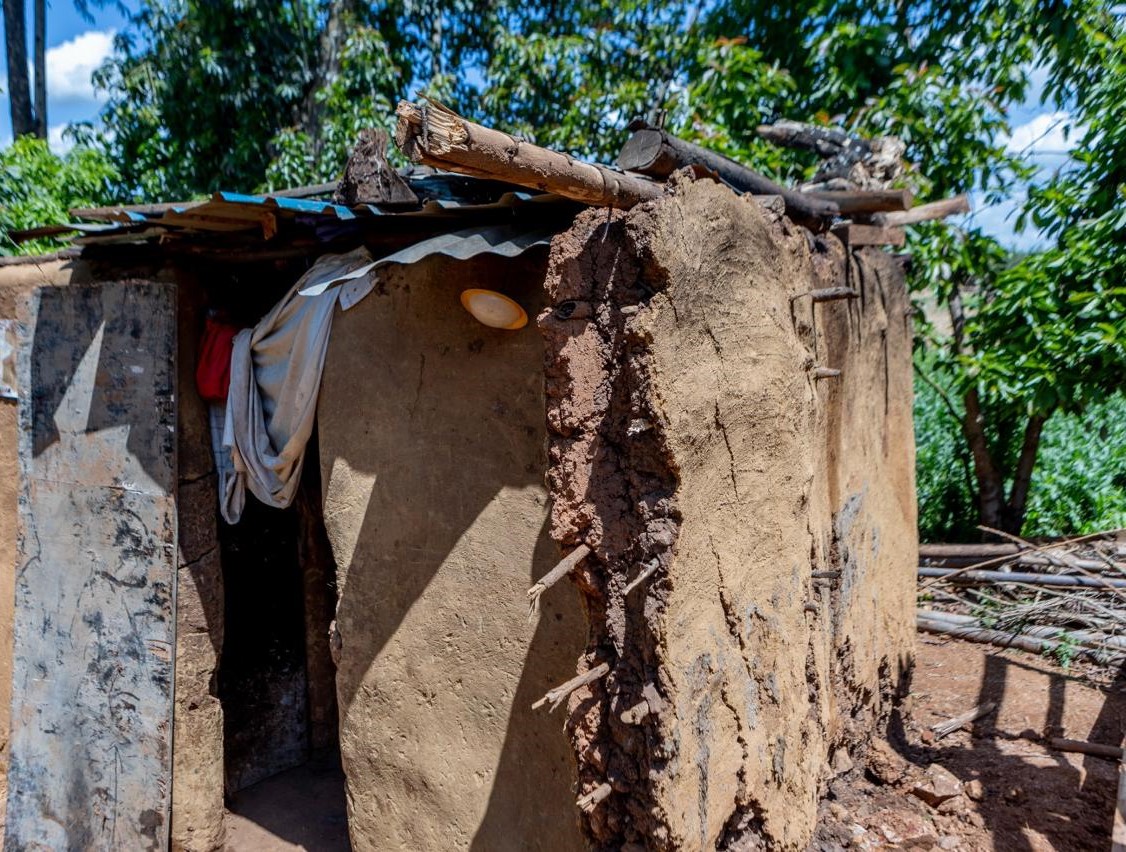
The pain as a result of her delipiated house that exposes the family to rain and subsequently makes her house inhabitable.
Widowed with five children and no steady income to enable her construct a new house. Abuya was resigned to fate
But where there is faith and hope , God miracle usually happen and indeed recently , she is a testimony .
A fortnight ago, lady luck danced her way when she least expected.
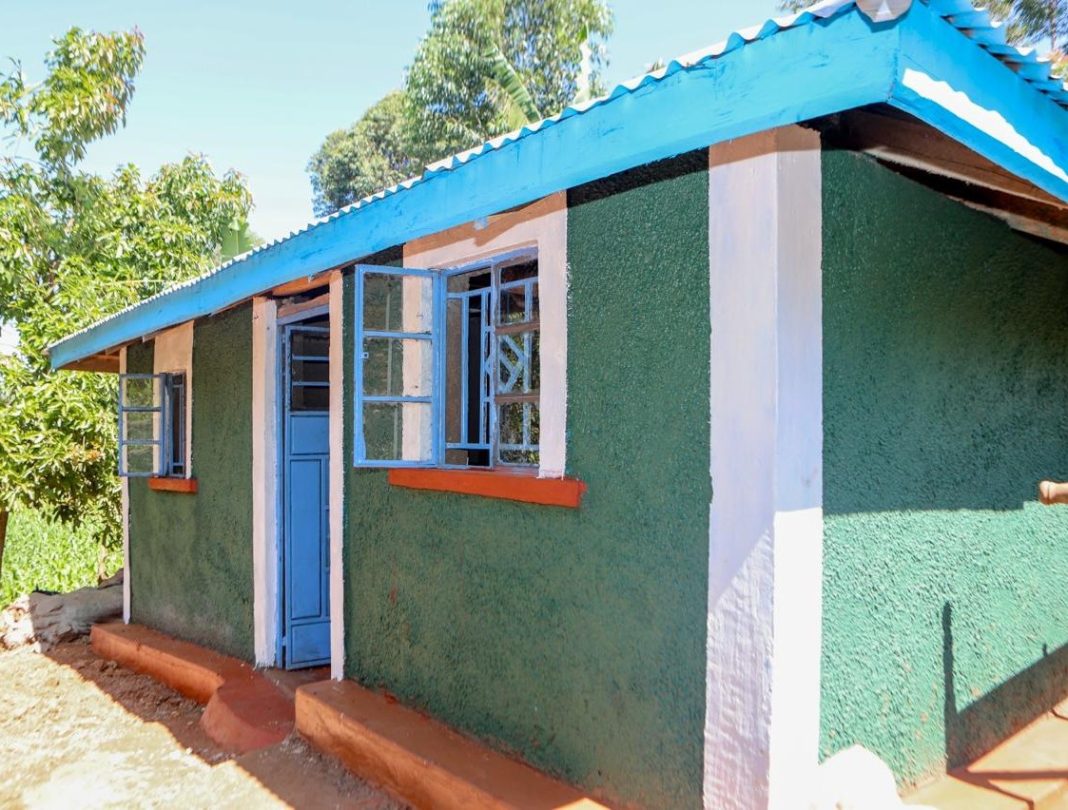
An organization, Widows Empowerment Program built her a new house and fully furnished it with household items.
A member of the Kuja Nyokal Widows Group in North Sakwa Ward in Awendo, Migori County, Abuya became among hundreds of beneficiaries of the new widows’ empowerment initiative.
“I had lost hope of ever owning a decent house after the death of my husband. I am grateful because I now know that widows are valued and appreciated in the society,” Abuya said
Abuya is among the widows who face cultural stigma and discrimination that is common after the death of a husband .
Discrimination and forcible land and property acquisitions by in laws upon the husband’s death are some of the challenges widows from Nyanza region have come across.
Her predicament is well described by Damaris Akello Odeny of Rang’wena Widows Group in Homa Bay Town who narrates the sad ordeal widows undergo.
“We are getting disinherited because we are widows and do not have anyone to speak for us. In the worst scenarios we are even getting accused of being behind the death of our husbands,” says Damaris.
She narrates how stigma associated with HIV and AIDS is stalking widowed women in all facets of the society. “You cannot till your land, or repair your broken house. When you’re a widow, your advice or contribution is not important anywhere because you’re there to be seen and not heard.”
The program’s coordinator Victor Ayugi said the initiative was keen to narrow the gender gaps in education, business, training, and employment believes empowerment of women is an integral part of the development of the country.
“It deepens social and economic justice, amplifies their self-confidence and defines women’s ability to influence crucial decisions,” he said.
“We must therefore work towards exploiting women’s untapped potential by creating safe spaces for them,” he added.
“We select the groups by doing a pre-visit based on the illegible registered certificates they own and the type of activities they indulge in that help them in their daily endeavors and make them fit in the society just like any other person,” said Ayugi.
According to the initiative’s officials, the program targets three widows’ groups per ward across the Nyanza region. So far, according to the program’s coordinator, over 3,500 widows have benefitted from the move.
Ayugi said the concerns they want to be addressed include discrimination and stigma.
Other notable challenges that the widows are facing, which the program is seeking to address include inadequate shelter, issues around wife inheritance, and the right to own land. He said that most widows still face a lot of challenges despite being married lawfully.
“Customary law demands that widows should marry one of the brothers of the deceased for them to survive. A refusal often leads to all manner of persecutions and other forms of blackmail,” he said.
Ayugi said the Nyanza Widows Empowerment program was interested in rescuing widows who are living in extreme poverty through the implementation of initiatives that can transform their lot.
“We introduce them to various income-generating activities that remove them out of the dependency syndrome to independent livelihood,” he said.
Through the program whose founder is the Interior Principal Secretary Raymond Omollo, widows’ groups are provided with finance to support undertakings such as table banking, agribusiness amongst others.
Women in Kenya are today facing significant bias in the ownership and control of land owing to the deeply ingrained patriarchal system prevalent in many communities.
Access to finance, food, and water for women is directly tied to their access to land. Ownership and control of land among women surpasses access and encompasses the ability to decide whether to sell, use it for financing, and cultivate it. As of 2021, 12.4% of females were still excluded from financial services, demonstrating the far-reaching consequences of women’s land ownership disparity. Given that women make up 50.3% of Kenya’s population, excluding them from land ownership impacts the country’s economic performance.
The 2022 KDHS report reveals that 75% and 93% of women do not own agricultural and non-agricultural land, respectively, an increase from 2014 when only 61.3% of women did not own any land in Kenya. Among women who owned land in 2022, 62% and 44% did not have a title deed on agricultural and non-agricultural land, respectively.
Further, data from the Kenya Land Alliance (KLA) 2018 report shows that only 10% of the 3 million title deeds processed by the government between 2013 and 2017 were issued to women. This is a possible explanation for the widening gap of women who do not own land in Kenya between 2014 and 2022.
Titus Midega, a property rights lawyer notes that in many rural communities in Kenya, widows are still being discriminated against, evicted, and disinherited from their matrimonial lands. He explains that despite the existing legal frameworks to promote property and land ownership among women in Kenya, many women do not own any kind of land.
“The cost and process of obtaining justice is expensive and long, often not being afforded by women. The ones who succeed in the process are stigmatised by community members,” notes Midega.