
Behind Raila’s smile lay scars: neglect by close allies after losing presidential elections — former PA Jakakimba
By Habil Onyango
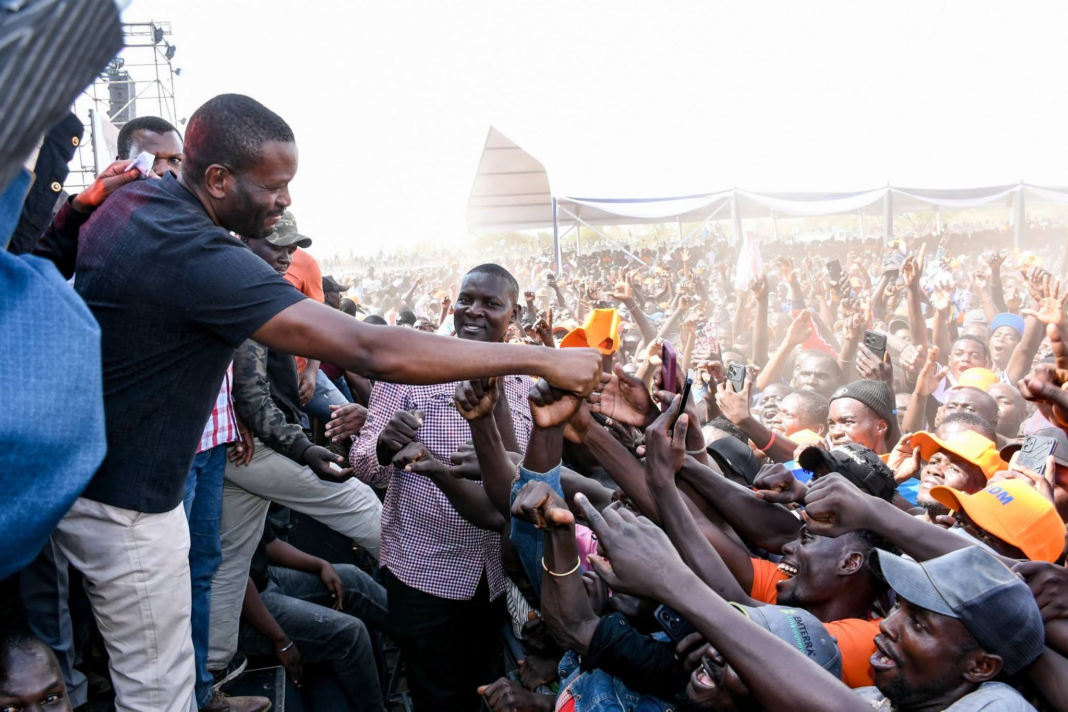
As the world marks the first anniversary of former Kenyan Prime Minister Raila Odinga’s death, family members, former political and personal allies, and aides who worked with him while he was alive continue to pay tribute and share memories of the late enigma.
To his core supporters and much of the public, Raila was seen as “Baba” (father) and the conscience of the nation. He led the fight against one-party rule in the 1980s, endured detentions and exile, and relentlessly defended the poor, social justice, and politically or economically sidelined groups.
Raila was further seen by many as an architect of the Constitution, widely credited with driving the structural reforms that led to the 2010 Constitution, which brought decentralisation and the devolution of resources closer to local Kenyan communities.
Raila Odinga passed away on October 15, 2025, at the age of 80, at Devamatha Hospital in Koothattukulam, Kerala, India, after suffering a cardiac arrest during a morning walk near the Sreedhareeyam Ayurvedic Eye Hospital, where he was receiving treatment.
However, despite these achievements and running for the presidency five times, Raila never made it to the country’s highest office.
Scars behind Raila’s smiles
When a candidate loses an election, their immediate ecosystem changes rapidly due to shifts in power dynamics, social contagion, and the transactional nature of political relationships.
However, the former statesman, who served as opposition leader and chose political settlements over prolonged conflict at critical moments of national tension, was not spared.
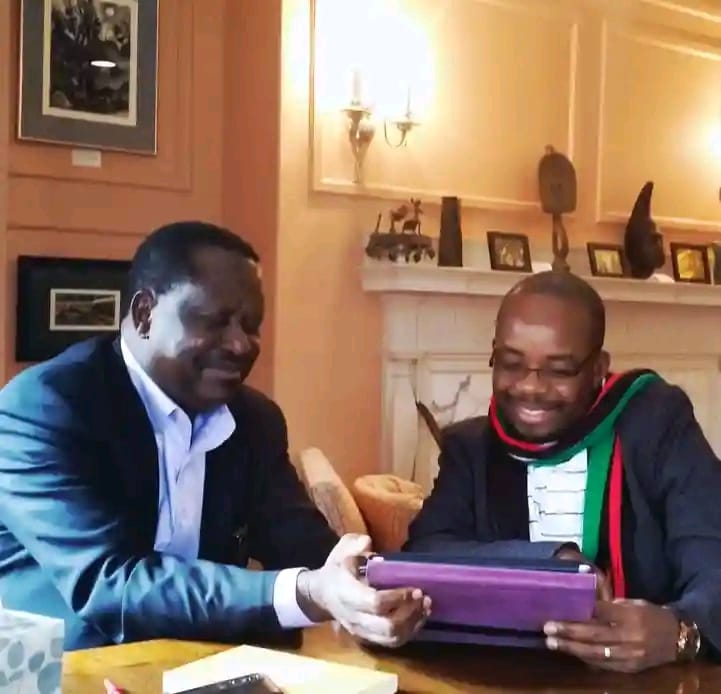
According to his former personal assistant, Silas Jakakimba, Raila was often deserted, and some of his political allies shifted their alliances following his presidential losses.
Jakakimba, who served the late Raila for 19 years, said that the former Prime Minister was deserted by most of his political allies, many of whom he had dined and wined with, at the time he needed them most.
Jakakimba revealed that Raila’s mobile phones rang less after the losses than during campaigns and electioneering periods.
He said that certain allies, especially from the Nyanza region, even began pushing for his political retirement rather than preparing for political continuity.
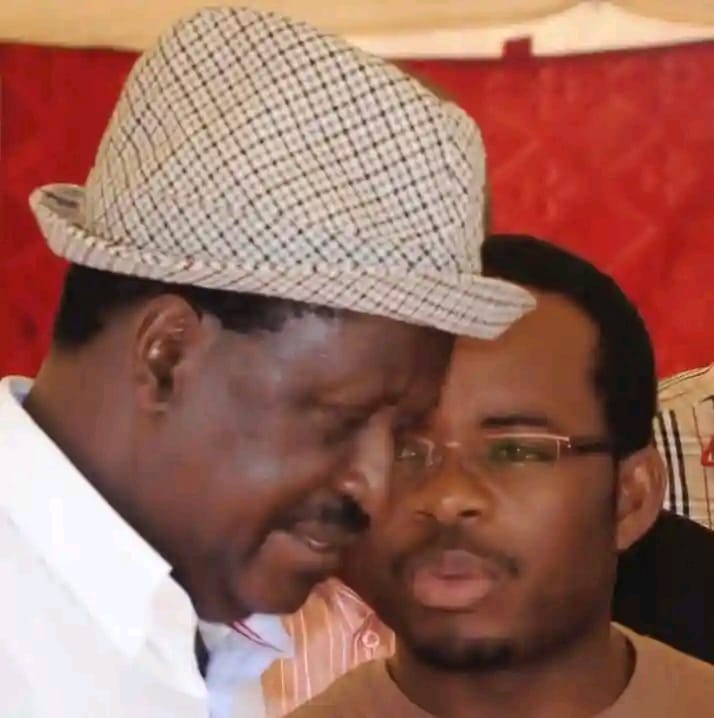
“Not all friends abandoned him during such hard moments; some maintained deep ties and publicly reflected on their shared history and loyalty through the years of political struggle,” Jakakimba said.
“There were some days during campaigns towards general elections when we had to carry even four power banks to recharge his phones since they were constantly ringing throughout,” he revealed.
Raila, however, loved peace. His fight for human rights and development was meant to benefit every Kenyan, and he never held grudges.
Raila, the political wheeler-dealer
Over time, his tactical alliances — such as the 2018 “Handshake” with President Uhuru Kenyatta and later working arrangements surrounding President William Ruto — shifted public perception.
While some saw these moves as pragmatic statesmanship, critics and former allies viewed them as a retreat from true opposition or an absorption into the political establishment.
Detractors sometimes characterised his long pursuit of power through the lens of entitlement or questioned his political compass, meaning he was loved and fiercely opposed in equal measure across different regions and generations of Kenyans.
Raila repeatedly formed post-election pacts, power-sharing deals, and handshakes with the ruling government after losing or disputing high-stakes elections.
After the 1997 presidential election, which he contested on a National Development Party (NDP) ticket, Raila merged his party with Daniel Arap Moi’s ruling KANU party and served as Minister of Energy from 2001 to 2002.
Following the disputed 2007 election and deadly post-election violence, international mediation brokered a power-sharing accord (Nusu Mkate) that made Raila Prime Minister from 2008 to 2013.
In 2018, after challenging the 2017 presidential election results, Raila reconciled with former President Kenyatta in March 2018 through the famous handshake, leading to the Building Bridges Initiative (BBI) and a close working relationship with the State.
After losing the 2022 elections to President William Ruto and later suffering defeat in his bid for the African Union Commission (AUC) chairmanship, Raila and Ruto signed a formal Kenya Kwanza-ODM framework in March 2025, integrating ODM figures into the BBG.
The former aide revealed that Raila used to consult widely with his close allies before making any decisions that could affect his supporters, either negatively or positively.
“By accepting the famous handshake with the former President Uhuru Kenyatta, the BBG arrangements and even the decision to vie for the AUC Chairmanship, Raila made wide consultations, and this was for the greatest interest of the members of the public,” he said.
“We all know that leaders’ main role is to offer their supporters and followers guidance, and before making any decision there is a need for wider consultation, and this is what Raila embraced,” he said.
However, according to the former PA, who later served as his political adviser, some allies, including Members of Parliament, were caught off guard and were not amused by some of his decisions or actions, but had to join him.
Double bet
A section of ODM election leaders had previously decided to work with President Ruto’s government before Raila later joined through the BBG, and they were called traitors.
However, according to Bondo MP Gideon Ochanda, who also served as his PA way back in 1991 after Raila was released from detention, Raila was aware of his decision to join Ruto’s government.
Ochanda said there was nothing they could do without informing or engaging the former ODM party leader, which annoyed him.
“Raila approved my decision to work together with Ruto’s Government; many people mistook us as traitors, but in the end, they realised that it was a good idea, and that is why he himself decided to form the BBG,” he said.
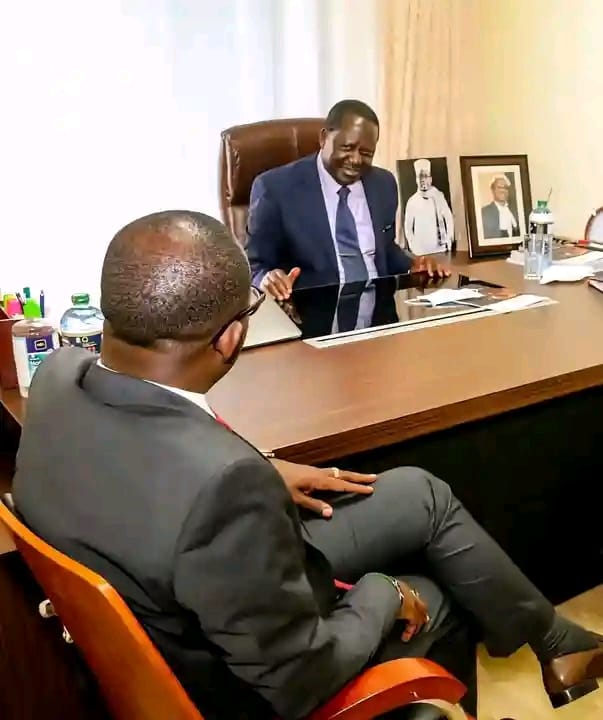
“I was not a traitor as it was alleged. Baba knew how to play his cards; there were times he could send someone in one direction and another one in another direction with different messages, which might be seen to cause conflicts, but in the end, bear fruit,” he said.
Jakakimba, however, told Kenyans to support the current government, saying that before his demise, Raila wanted all Kenyans to stay united under transformative leadership under President Ruto.
“I can remember Jakom telling Kenyans that he would rather have an imperfect country trying to mend its ways than a collapsed one,” he said.
“This was to explain his political cooperation with President Ruto, prioritising national unity and stability over fierce political rivalry,” he said.
“Raila highlighted that preserving and reforming an existing, flawed nation is far better than allowing political or social chaos to destroy the country,” said the former PA.
According to Jakakimba, Raila used the sentiment to justify working with Ruto’s administration through the BBG approach, maintaining that leaders must secure the existence and peace of the country first before debating specific policies, grievances, or future elections.