
By Anderson Ojwang
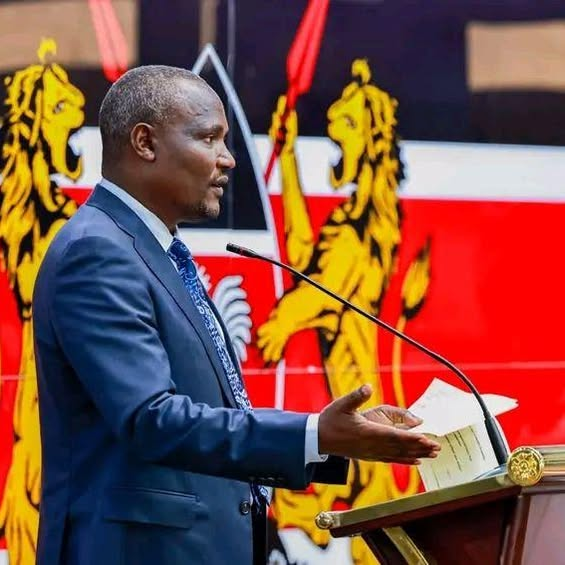
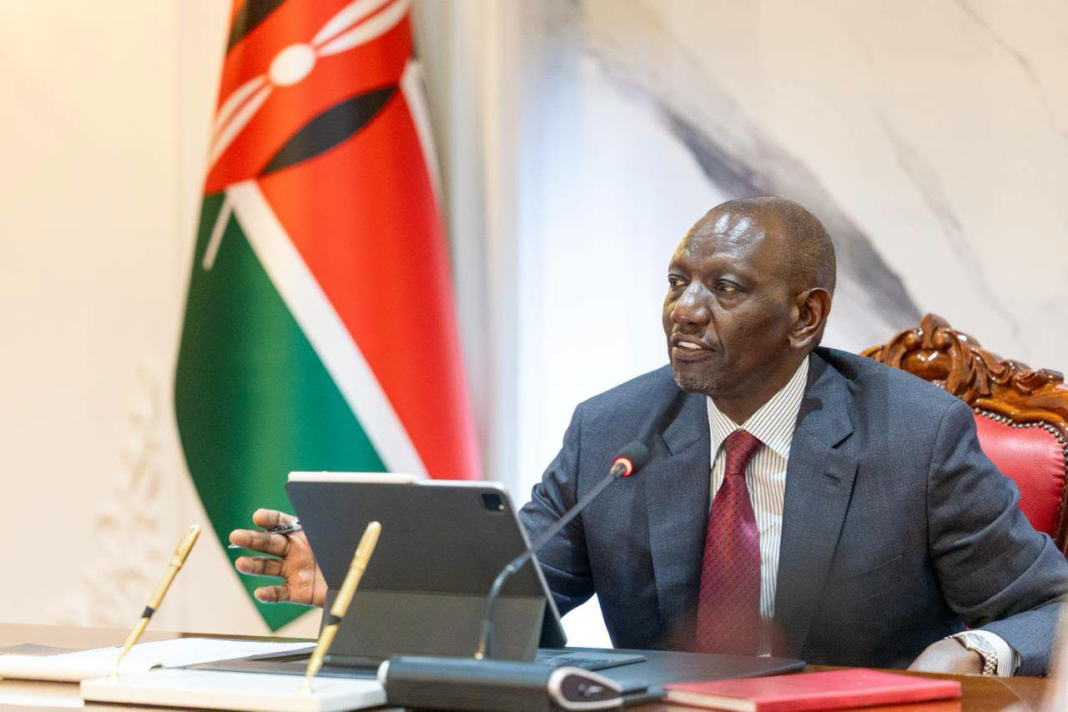
President William Ruto is strategically mapping and consolidating his vote block ahead of the 2027 general elections for a battle of the bulls with the opposition.
Similarly, he is setting up an election structure for the party’s nominations to avoid fallout during the exercise.
Already in the basket is the 543,000 nationwide party officials’ vote block from all the polling centres in the country.
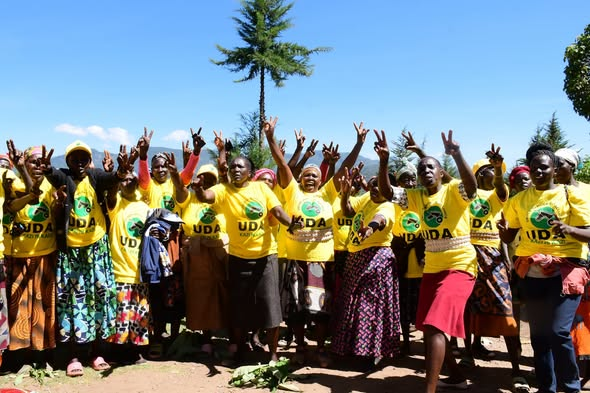
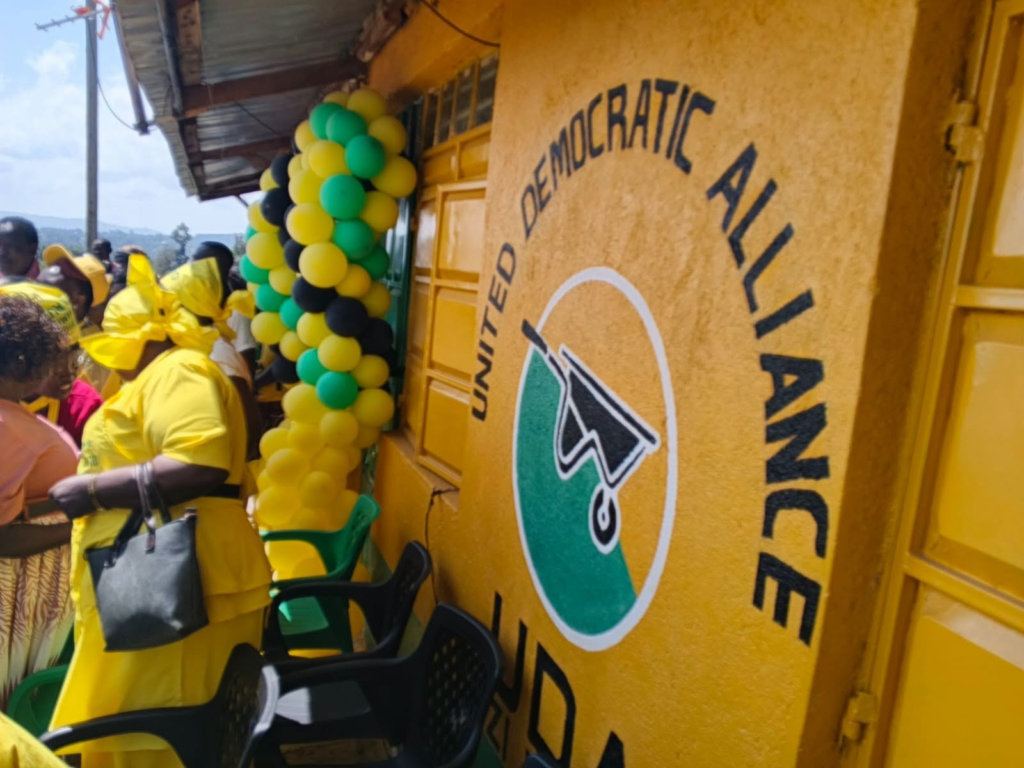
And the party has now embarked on strengthening its grassroots party structure by embarking on the election of the UDA Ward Congress in each of the country’s 1,450 wards.
In a meeting on Wednesday chaired by the UDA National Elections Board (NEB), Mr Anthony Mwaura agreed to conduct nationwide grassroots party elections at the ward level, marking another significant milestone in strengthening the party’s grassroots structures.
UDA polling station formation
In the recent UDA party’s successful and most elaborate grassroots elections ever conducted at the polling centre level, more than 543,000 party officials were elected.
In every polling centre, party members elected 20 representatives comprising three farmers, four MSMEs representatives, three professionals, two members, three religious representatives, four youth representatives, and one representative of Special Interest Groups (SIGs).
The Ward Congress
The 20 elected officials from each polling centre will form the electoral college responsible for electing the UDA Ward Congress in each of the country’s 1,450 wards.
Mwaura said the process, anchored in the UDA Party Constitution, was designed to strengthen the party’s grassroots operational architecture ahead of the 2027 General Election.
President Ruto, during a meeting with UDA aspirants, said the grassroots level was the most important structure for the party’s success.
President Ruto has embarked on a move that will ensure senior members of the party hold leadership at the ward and branch levels.
“The grassroots is very important. I want to encourage you here to go and become the chair of the ward in your county. Those are the people going to decide for the party going forward. Nominations will be decided by the party going forward, whether it is the nomination of MPs or MCAs. They will be decided by the party, and the party must have legitimacy. The legitimacy of the party comes from the membership voting for the party officials. We are going to redo the exercise where we did not do well.”
President Ruto said the party members at the polling stations will have the mandate of who leads them, and that the elections will not be determined on friendship.
“I know you have friends. I also have friends. Even if your guy, the person you want at the polling station, and if you think he is a good guy and loyal, the people at the polling station may not have the same view. So tell your guy to go and compete at the polling station. We must accept whoever is elected. All of us have our people.”
Shock to the aspirants
President Ruto observed that in some counties there was low participation in the grassroots elections and ordered a repeat.
“We have positions of 540,000 for officials in the party. 20 people per polling centre. We carried out the elections the other day, and many of the senior leaders here, MCAs and MPs, did not even bother to participate. Very few participated. I give credit to Kirinyaga and Bomet counties; at least in those two counties, we saw many members come to participate,” he said.
Ruto said in other counties the participation was very low and worrying, and subsequently ordered a repeat.
“You could only find 50 people or 20 people came to vote in a polling centre. Tell me, if 30 people came to vote in a polling centre, do we say we had an election? So we have instructed the National Elections Board that any polling centre where less than 50 voted, we repeat. The reason why ODM is where it is, is because they carry out elections at the polling centres. So there is no other way; we have to have elected officials at the polling centre,” he said.
In the 2022 general elections, UDA did not have offices and party officials across the country except from its strongholds of Mt Kenya and Rift Valley regions.
Currently, it is UDA and ODM with countrywide grassroots party officials, while other political parties only enjoy support from their regions.
The polling station is the political aorta of any political party, where it is made or unmade, and that is why Ruto has ungloved to reposition UDA nationally.
“Successful countries that are democratic were built on a solid foundation of a political party. It is important for us to make the political party stronger at the grassroots level,” he said.
He said it was at the polling station where the political party was made or unmade.
“If you go to any successful political party, its success is in the grassroots,” he said.