By James Okoth
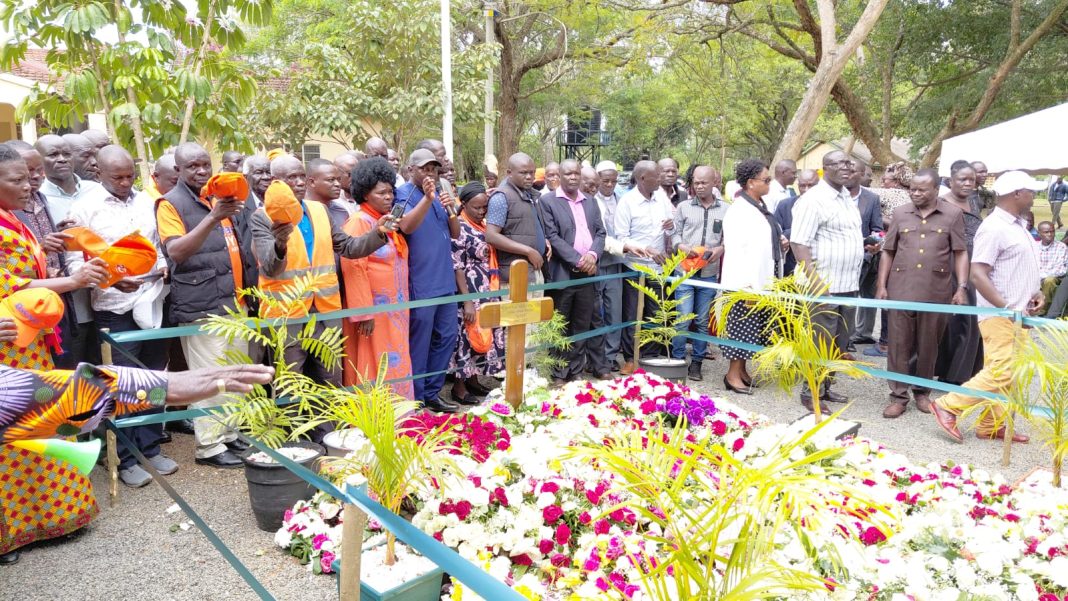
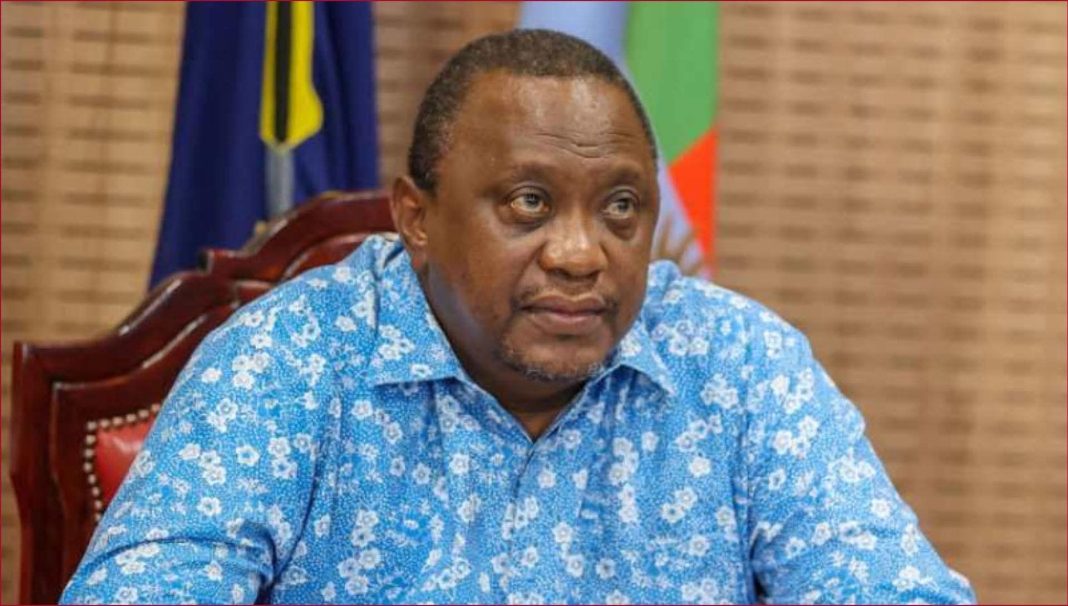
Former President Uhuru Kenyatta has opened up about his recent health struggles, revealing that the past two years have tested his strength and resilience. Speaking during the funeral of his close friend and former Housing Finance (HF) Group Managing Director Frank Ireri in Nairobi, the former Head of State struck an emotional and reflective tone that immediately captured national attention.
“I shall continue to fight health challenges,” Uhuru said quietly, his voice tinged with gratitude and resolve. “Last year and this year have not been easy for me. I’ve been sick, but I thank God for strength.”
The admission was rare for a man long regarded as private and composed. It came at a time when more public figures are choosing to speak openly about their health, breaking decades of political tradition built on silence, speculation, and secrecy.
In his brief but heartfelt remarks, Uhuru celebrated the late Ireri as a loyal friend and dedicated professional, noting how their friendship had endured through personal and professional trials. He spoke of Ireri’s faith and calm spirit, describing him as “a man who lived with quiet dignity and strength.”
The former President’s disclosure echoed a growing trend among Kenya’s top leaders who are now publicly addressing their health battles. Just weeks earlier, COTU Secretary General Dr. Francis Atwoli revealed that he had been hospitalised for several weeks, recounting how the late Raila Odinga personally cared for him during his illness.
“At my lowest moment, Raila came to my bedside,” Atwoli said recently. “He ensured I got the best treatment, sat with me, prayed with me, and checked on me every day. That is the kind of man we’ve lost, a true friend and a leader who cared for others beyond politics.”
These confessions by Uhuru and Atwoli have quietly shifted the tone of Kenya’s public discourse on health, showing a rare vulnerability from figures often seen as larger than life. Their openness has been widely praised as a sign of authenticity and courage in a political culture that traditionally equates illness with weakness.
Analysts see this as part of a generational transition in Kenyan leadership. “Uhuru’s words carry moral and cultural weight,” says political analyst Eng. Bovince Ochieng’.“By admitting illness, he is not only humanising leadership but dismantling the myth that power shields one from pain. It’s a gesture that invites empathy, not pity.”
Still, the shift comes with caution. In a country where health has political implications, public admissions often spark speculation about capability and succession. But Uhuru’s tone was measured and purposeful. His message was one of endurance, faith and gratitude, not frailty.
“Leadership is not about pretending to be strong,” he said. “It’s about accepting our human limits and still choosing to serve.”
As Kenyans continue to mourn the late Frank Ireri, Uhuru’s candid reflection on his own health has resonated far beyond the cemetery. It has become a quiet reminder that even the nation’s most powerful are not immune to struggle and suffering, and that honesty about one’s frailty may be the strongest form of leadership yet.