By Anderson Ojwang
The recent loss of former Prime Minister Raila Odinga in the African Union Commission Chairman seat adds to the list of several Kenyans who have faced similar defeats on the continental stage.
A Kenyan and the first president of an organization dedicated to the welfare of children and youths across the continent also lost his re-election bid in 2016.
“I was deep in sleep after a hectic day of campaigning and after ensuring all was in place for the next day’s exercise.
But at 3:00 am, I heard a soft knock on my door. I thought I was dreaming, but the knock persisted. I stretched out, switched on the light, and opened the door.
It was one of my key point persons, George. Sorry to have woken you up at this odd hour, but George, things are not right.
In this hotel, there is a meeting taking place, and the regions have ganged up against your re-election. We only have two blocs remaining—East Africa and the Southern bloc.
That team already has 35 delegates. We are cornered, and we cannot win this election, even with the support of the main body.
I was left baffled and disoriented and told him, ‘Brother, thanks. We will work something out in the morning. Kindly get some sleep; we have a long day ahead,” he says.
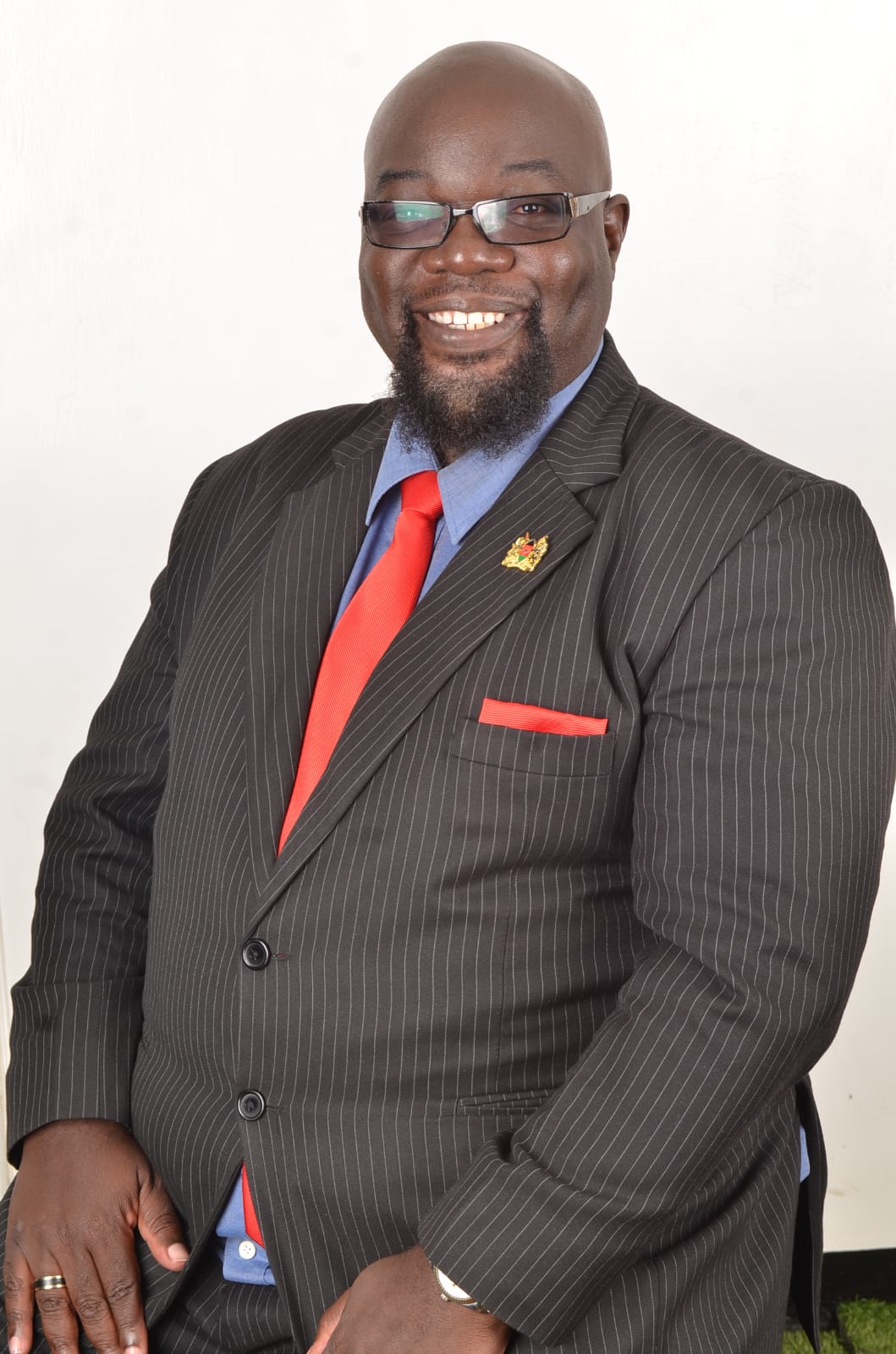
That is how George Nyakora, the first President of the Africa Wide Movement for Children and the first Kenyan to lead the organization, lost his re-election bid.
The Africa Wide Movement for Children (AMC) is a Pan-African network of organizations and individuals dedicated to advocating for the rights and well-being of children across the continent. It essentially serves as a platform to raise awareness and push for better child protection policies and practices in Africa. It is considered a civil society organization focused on child-related issues.
The organization was founded in 2008 by the Africa Child Policy Forum headquartered in Addis Ababa Ethiopia. It was established as a Pan-African body that champions and advocates for children’s rights across the continent.
Africa Wide Movement for Children was particularly concerned with the performance of African countries that were signatories to child rights instruments such as the African Charter on the Rights and Welfare of the Child (ACERWC) and the United Nations Convention of the Rights of the Child (UNCRC) – particularly the extent to which these countries were domesticating the tenets of these instruments into their policies and procedures.
These would include allocation of resources in furtherance of social services for children, the marriage age, plight of the child soldiers in war-torn countries and humanitarian assistance in conflict-affected nations.
The AMC governance structure consists of the president, vice president and 5 custodians who represent the five regions of the continent, similar to the African Union structure of the Regional Economic Communities and Political alignment — The custodians therefore represent: the Arab Maghreb Union (UMA) and Economic Community of West African States (ECOWAS). – North Africa, Common Market for Eastern and Southern Africa (COMESA) for SADEC -Southern Africa region, Community of Sahel–Saharan States (CEN–SAD,) Economic Community of Central African States (ECCAS) – Central Africa and parts of the Sahara Desert and East African Community (EAC),
The custodians can loosely be equated to the AU PRC. When countries convene at the apex body called the General Assembly, each country / nation which has a registered and has a Bonafide /accepted representative can participate in the proceedings.
These countries and regions vote for the leadership of the movement at that Pan-African level, with elections held every three years.
The positions available include President, Vice-President, and custodians representing the countries.
Each member has a single vote representing their country during the elections. Similar to the AU organs, there is significant jostling for these positions, and regional campaigns are conducted to secure votes.
Nominations for electoral positions start at the country level. A region may have two candidates, but they must negotiate and agree on a single candidate to support.
The position of President is particularly significant, as it involves interactions with AU organs, making representations, and lobbying on matters concerning children and youths across Africa and at various AUC panels of Eminent Persons – “it is a lofty position, you would say”.
The President engages significantly with the AU Committee on the Rights and Welfare of the Child, meeting four times a year in Addis Ababa or at the Secretariat and during special sessions.
Nyakora explains that if a region is unsupportive of issues affecting children and youths, the movement could make a presentation to the AU for intervention through the Committee of Experts to which it has access as a pan African body.
“If your country is not responding to Africa Charter on the Rights and Welfare of the Child dictates to which African states subscribe after ratification, then you are under the radar of Civil Society Organizations in your country and across the continent. AMC would in these circumstances explore ways of engaging you through enhanced advocacy and pressure.
The exposure of countries’ performance is even made more public through the Africa Report on Child Wellbeing prepared by the Africa Child Policy Forum and which is shared with the Committee of Experts on the Rights and Welfare of the Child and the AUC.
Voting at the AU level takes into account geo-political considerations and the dynamics between Anglophone, Lusophone, and Francophone countries, as well as the dynamics of the Northern Africa and the Maghreb countries which has strong Islamic orientation.
I was the first President of the Pan Africa body. I was elected at the General Assembly, which was held at The Stanley Hotel Nairobi in 2012.
There was extensive lobbying. I was approached by the Executive of the Africa Child Policy Forum, who encouraged me to attend the Assembly and contest for the presidency.
I was nominated on the floor and won by a majority vote. My credentials, achievements, and vision for the continent’s children were strong, which earned me the votes.
I had experience working in conflict areas, assisting children in war zones, and I was the AU contact person for SOS Kinderdorf International, an organization represented in 150 countries around the world.
On the basis of these credentials, I defeated my competitors and served for three years.
When I sought re-election, I came face to face with the reality of how geopolitics, religion, and national interests influence such elections.
I was confident of re-election, but when we realized that the regions had ganged up, I went to the Assembly, requested to give a speech, thanked everyone for their support, and withdrew my candidature,” he says.