Dr.Edris Omondi(Advocate)
I was in MweaTabere some time back, attending a funeral in Kirinyaga County, a solemn but unique occasion that ended up sparking a reflection on the region’s agricultural potential. As we sat in the shade, chatting with locals, I couldn’t help but admire the vastness of their rice fields. The region’s production capacity was truly remarkable, yet it seemed that much of their potential remained untapped. Despite the wealth of natural resources and a robust irrigation system in place, there was something about the way the farmers worked—using outdated equipment and limited commercial practices—that made me question why regions like Ahero, with its much larger irrigation schemes and favorable improved water conditions, were not achieving their full potential in the same way.
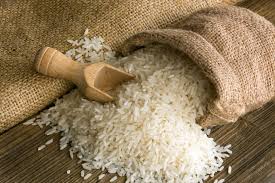
Ahero, has one of the biggest smallholder rice farming programs in Africa. Situated in the South Western part of the Kano Plains within the River Nyando flood plain, the south west Kano rice irrigation schemes and its environ independently managed and the National Irrigation Board managed sector, spans 10,000 acres of cultivated land, with a further 15,000 acres under cultivation. Yet despite its impressive potential, the project is not meeting its full capacity. The rice fields in Ahero, like those in Mwea, suffer from underdevelopment and underutilization, largely due to poor infrastructure, inadequate irrigation systems, and lack of farmer support programs.
Ailing Regional Economy: Is Our Politics to Blame?
The challenge we face here is not just a technical one, but a systemic economic issue, stemming way back from independence. The Ahero rice schemes, while a regional agricultural giant, struggles under the weight of poor infrastructure and a lack of support for local farmers. A yield of 25 bags per acre is modest, bringing in an annual turnover of Ksh 750 million—far below what the project could achieve if its potential was fully realized. This situation speaks to a deeper issue in Kenya’s agricultural sector: despite the country’s significant resources, the local economy is being held back by outdated practices and a political framework that does not prioritize sustainable agricultural growth.
So, what seems to be ailing our regional economy? One of the major reasons is the political landscape that fails to push forward practical, business-oriented agricultural policies. Despite the potential of Ahero irrigation schemes like the South West Kano, politics often sidelines key infrastructural investments, leaving agricultural communities struggling. The fact that rice farmers still rely on middlemen, who buy rice at “throwaway” prices, is a clear indication of how much economic activity is lost due to mismanagement and political inaction.
Solutions: Making Ahero Rice Scheme Export-Tenable
To turn the Ahero Rice Scheme into an economic export giant, the first and most urgent task is to improve infrastructure. The farmers in Ahero are unable to fully harness their capacity due to problems like water shortages, siltation, and inadequate irrigation equipment. The county government, working with national agencies, should prioritize addressing these issues through investment in water management systems, machinery for land preparation, and basic irrigation infrastructure like excavators and tractors. With better infrastructure, the yield per acre could be drastically improved, offering farmers more opportunities for profit.
Beyond infrastructure, Kenya needs a concerted push towards making rice a key export commodity. The first step in this process would be implementing a policy that mandates at least 30% of home-grown rice to be displayed in supermarket shelves. This would not only create a market for local rice but also encourage farmers to up their game in terms of quality and production. By creating demand domestically, we could begin to build a reliable base for export.
Moreover, there should be a focus on value addition. Ahero’s rice scheme is still primarily a bulk producer, with no independent mills or branding for their produce. Setting up local rice mills and establishing a branding system would help add value to the rice, making it more competitive in the market. This would also provide an opportunity for job creation and stimulate local economies by encouraging small businesses focused on rice milling, packaging, and marketing.
Additionally, creating a cooperative farmer support program, structured in a proper governance model, would go a long way in addressing challenges like market exploitation and lack of storage facilities. Such a program could help farmers band together to collectively market their rice, thereby eliminating middlemen and ensuring that they earn fair prices. It could also facilitate the establishment of drying floors and storage facilities at scheme levels, ensuring that rice does not go to waste during harvest periods.
A Holistic Approach: Policy Support and Private-Public Partnerships
Finally, a more robust approach to capacity building is needed. The farmers of Ahero must shift from a subsistence-based view of agriculture to a commercial one. This requires ongoing training in farm management, accounting, record-keeping, and modern agricultural techniques. In this regard, collaboration with institutions like the National Irrigation Board (NIB), the government, and international development partners such as JICA, the EU, the World Bank, and GIZ could provide essential resources and expertise.
The county government must also play a critical role in reviewing its policy documents like the Kisumu County Food System Strategy 2023-2027; Kisumu County Agri-Nutrition Implementation Strategy (CANIS) with its complementing Agriculture legislation like- The Kisumu County Crop Agriculture Act 2019; Introducing laws that provide tax incentives for rice processors, promote cooperative societies, and encourage infrastructure development in agricultural zones will go a long way in ensuring that these schemes become economically viable. Ahero could become the “model” for Kenya’s rice industry if it is supported with the right legal framework and infrastructure.
Conclusion: The Promise of Ahero Rice
The Ahero Rice Scheme, with its vast acreage and the potential to support over 6,000 households, is a sleeping economic giant. If only we could address the systemic issues—from infrastructure and irrigation to farmer support programs and market access—the region would not only feed Kenya but could position itself as a leader in rice export across Africa. It’s time for the political will to match the potential of projects like Ahero. With the right policies, investment, and public-private partnerships, Ahero could rise as the economic export giant it’s always had the potential to be.
(Dr.Edris Omondi is a Preacher, Social Thinker, Mentor, Writer, Author and a Public Motivational Speaker)