
By CPA Carren Ageng’o
Water, Sanitation and Hygiene (WASH) are often seen as infrastructure issues, yet for a child they determine survival, health, education, dignity and overall development.
This is strongly reflected in Sustainable Development Goal (SDG) 6, which seeks to ensure availability and sustainable management of water and sanitation for all by 2030.
In recognition of this global commitment and the central role of WASH in child protection and welfare, the African Committee of Experts on the Rights and Welfare of the Child designated the theme for the 2026 Day of the African Child as “Ensuring Universal Access to Water, Sanitation and Hygiene for Every Child in Africa.”
The theme is a call to action for governments, development partners, communities and families to accelerate efforts towards universal access to safe water, sanitation and hygiene for all children.
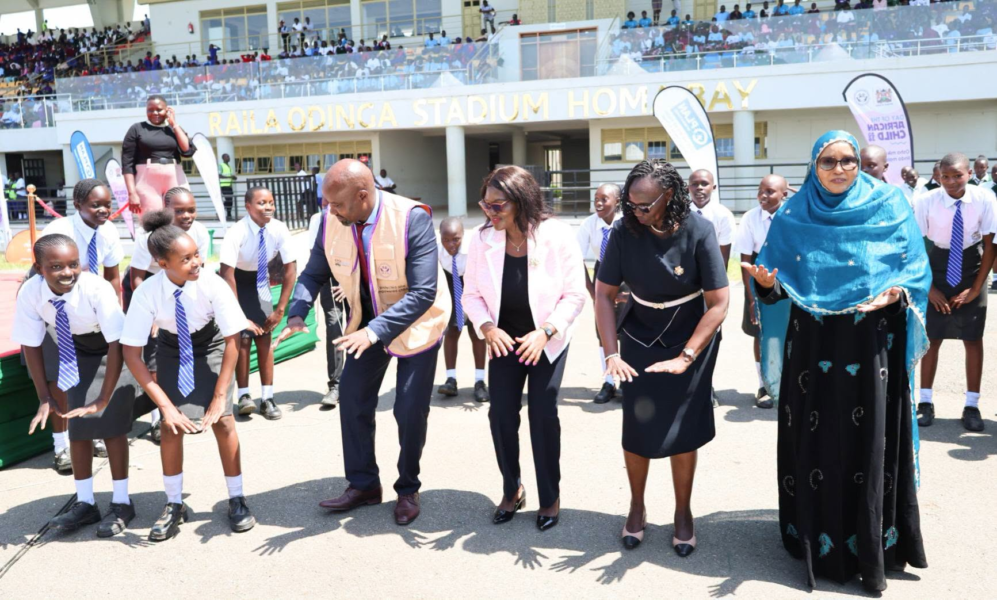
In Kenya, this important annual celebration was launched in Marsabit County on 9th June 2026, with the National Rally scheduled to take place in Homa Bay County on 16th June 2026.
The Constitution of Kenya guarantees every child the right to the highest attainable standard of health, education, dignity and protection. These rights cannot be fully realised while millions of children still lack access to safe water and sanitation. Kenya’s commitment to the African Charter on the Rights and Welfare of the Child and the Sustainable Development Goals further reinforces the obligation to ensure that no child is left behind in accessing basic WASH services.
The reality facing many Kenyan children, however, remains sobering. According to the Kenya Demographic and Health Survey (KDHS) 2022, only 68 per cent of Kenyans have access to at least basic drinking water services, while just 41 per cent have access to basic sanitation services. Only 51 per cent of the population has access to a basic handwashing facility with soap and water. More concerning is that 54 per cent of households do not have drinking water on their premises and must travel to collect it. In most cases, this burden falls on women and girls, who account for nearly seven out of every ten water collectors.
Behind these statistics are millions of children whose rights and opportunities are compromised daily. A child who drinks unsafe water is exposed to diarrhoeal diseases, cholera, typhoid and intestinal infections. Recurrent illness leads to absenteeism from school, poor nutrition and impaired cognitive development.
Prevention of deaths
UNICEF estimates that improved water, sanitation and hygiene services could prevent approximately 297,000 deaths of children under five globally each year from diarrhoeal diseases alone.
The sanitation challenge is equally serious. UNICEF reports that about 9.9 million Kenyans still depend on contaminated surface water sources for their daily needs, while an estimated five million people continue to practise open defecation. These conditions expose children to constant risk of disease, poor environmental hygiene and compromised health outcomes.
Interventions
Without urgent intervention, these challenges will continue to undermine child survival and development outcomes.
For school-going children, inadequate WASH facilities directly affect learning. A child who is sick cannot learn effectively, while schools without reliable water supply cannot maintain basic hygiene standards. Girls are particularly affected where schools lack adequate menstrual hygiene facilities, leading to absenteeism, stigma and in some cases school dropout. The result is reduced participation in education and long-term inequality in learning outcomes.
Children with disabilities face even greater barriers. Many water points, toilets and handwashing facilities are not designed to be accessible, making it difficult for them to use such services safely, independently and with dignity. In schools and institutions, this often results in dependence on caregivers, missed learning opportunities and increased social exclusion.
Inaccessible WASH infrastructure also heightens vulnerability to health risks and undermines inclusion. Ensuring universal access to WASH therefore requires deliberate investment in inclusive infrastructure that guarantees dignity and equal opportunity for every child.
Poor WASH services also present significant child protection concerns. Children, especially girls, are often forced to travel long distances in search of water, exposing them to risks of violence, exploitation and neglect. Time spent collecting water is time lost from learning, rest, play and other activities essential for healthy development. In this way, inadequate WASH services undermine not only health and education, but also the safety and protection of children.
Infrastructure
Encouragingly, Kenya has made notable progress in expanding access to water services over the years. Government programmes, county initiatives and support from development partners have contributed to improved infrastructure and increased coverage in many parts of the country. However, the pace of progress must be accelerated if we are to achieve SDG 6 and ensure universal access to safe water, sanitation and hygiene by 2030.
The 2026 Day of the African Child therefore presents a renewed opportunity for collective action. National and county governments must continue prioritising child-sensitive WASH investments. Schools, health facilities, childcare institutions and vulnerable communities must remain at the centre of these interventions. Development partners, civil society and the private sector must strengthen support for innovative, climate-resilient and sustainable WASH solutions, particularly in underserved and drought-prone regions.
Communities and families also have a critical role to play. Sustainable WASH outcomes depend not only on infrastructure, but also on behaviour change. Practices such as handwashing with soap, safe water storage, proper sanitation and environmental cleanliness must become part of everyday life. Children, as agents of change, should be empowered to lead hygiene promotion in schools and communities.
The measure of our progress as a nation is reflected in how well we protect our children. When a child has access to clean water, safe sanitation and good hygiene, we do more than prevent disease—we unlock opportunities for learning, dignity, health and prosperity.
As we commemorate the Day of the African Child 2026, let us commit to ensuring that no child in Kenya is left behind. Universal access to water, sanitation and hygiene is not only a development goal; it is a moral imperative, a child rights obligation and a strategic investment in our nation’s future.
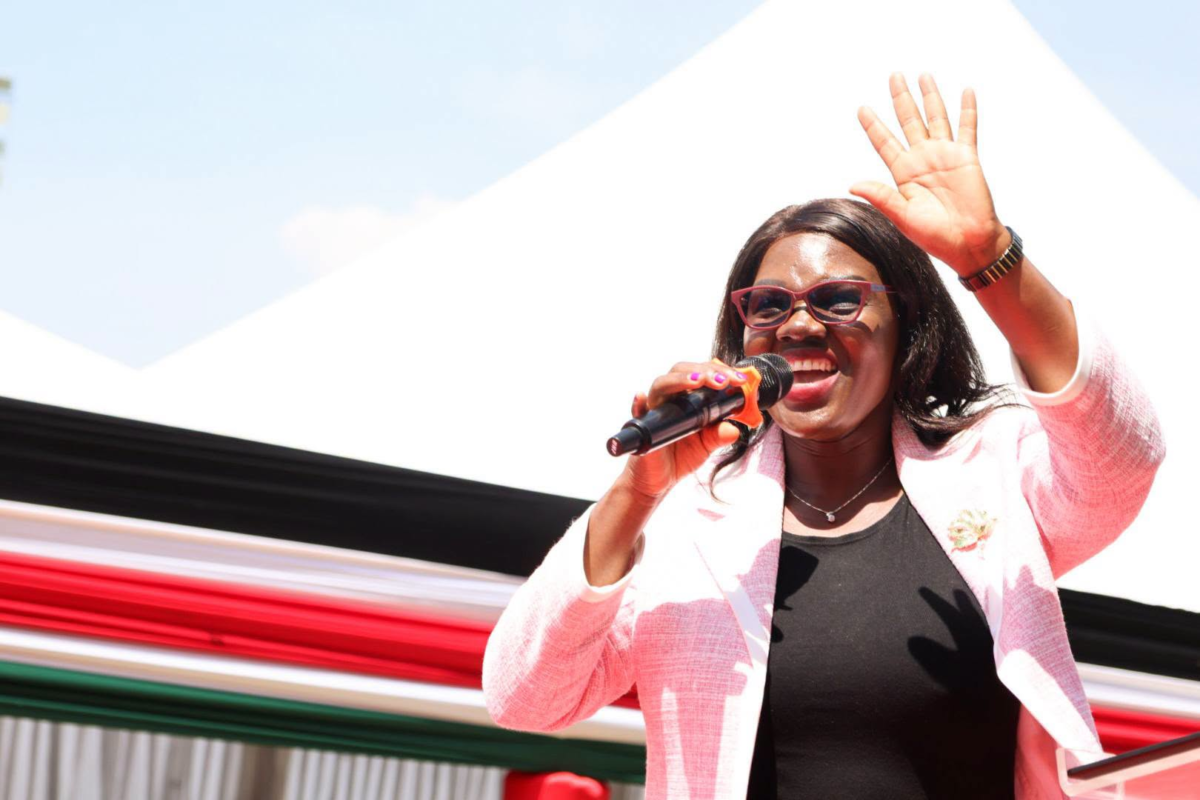
The writer is the Principal Secretary, State Department for Children Services.