
BY PHILLIP ORWA
The Africa Centres for Disease Control and Prevention (Africa CDC) (www.AfricaCDC.org) has welcomed a US$220.6 million emergency financing package from the Pandemic Fund to support efforts to contain the Bundibugyo Ebola outbreak and protect at-risk countries across Central and Eastern Africa.
The financing will facilitate the implementation of the joint Africa CDC–World Health Organization (WHO) Continental Strategic Preparedness and Response Plan, launched to coordinate efforts to contain the outbreak in the Democratic Republic of the Congo (DRC) and Uganda and prevent further regional spread.
The Pandemic Fund’s decision follows the declarations by Africa CDC and WHO in May 2026 that the outbreak constituted a major public health emergency requiring urgent, coordinated action.
The outbreak, caused by the Bundibugyo virus strain, has already led to cross-border transmission, underscoring the need for a robust regional response.
“This financing is a major boost to the ongoing efforts of affected countries and partners to bring the outbreak under control while strengthening preparedness across the region,” said Africa CDC Director General Dr Jean Kaseya. “It demonstrates the Pandemic Fund’s deep recognition of the importance of acting early, acting collectively, and investing in national and regional capacities to protect communities from current and future health threats,” added Dr Kaseya.
The Pandemic Fund financing complements the US$465 million Africa CDC–WHO Continental Strategic Preparedness and Response Plan, which is already being implemented across affected and at-risk countries. The six-month plan focuses on emergency coordination, surveillance, laboratory testing, infection prevention and control, clinical care, community engagement, logistics, research and support for essential health services.
According to the Pandemic Fund, up to US$175.7 million will be mobilised through the reprogramming of existing projects to support immediate response efforts in affected and high-risk countries, including the DRC, South Sudan, Rwanda, Burundi, Tanzania, Zambia, Angola, Kenya and Ethiopia.
A further US$44.9 million will be made available through expedited financing processes to support preparedness and response efforts in Uganda, the Central African Republic and the Republic of Congo.
The financing will support priority actions identified under the Africa CDC–WHO response plan, including strengthening disease surveillance, laboratory systems, health workforce capacity and cross-border coordination. Countries and regional institutions will determine implementation priorities based on identified needs and gaps.
Africa CDC said the financing reflects growing global confidence in a coordinated, country-led response anchored in the principle of “one plan, one budget and one team.” It urges member states, partners and donors to maintain momentum behind the continental response and preparedness effort, while continuing to support evidence-based measures that facilitate safe travel and trade, strengthen border health systems and enhance regional cooperation.
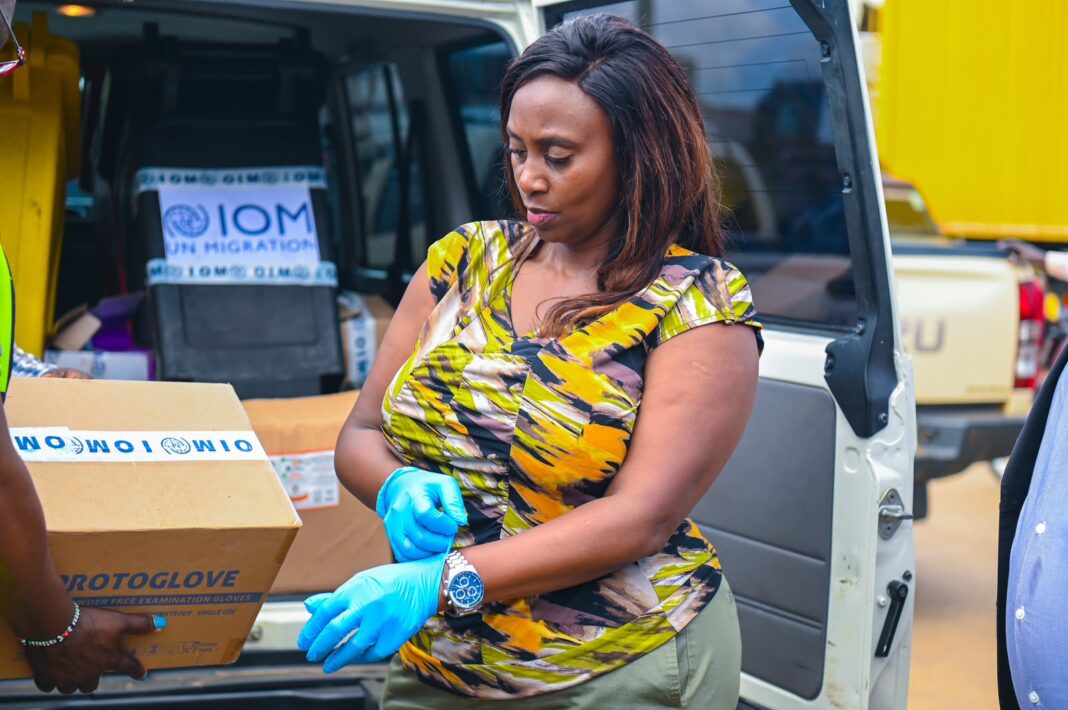
These come as the Principal Secretary for the State Department for Public Health and Professional Standards, Mary Muthoni, assured Kenyans that there are no confirmed cases of Ebola in Kenya.
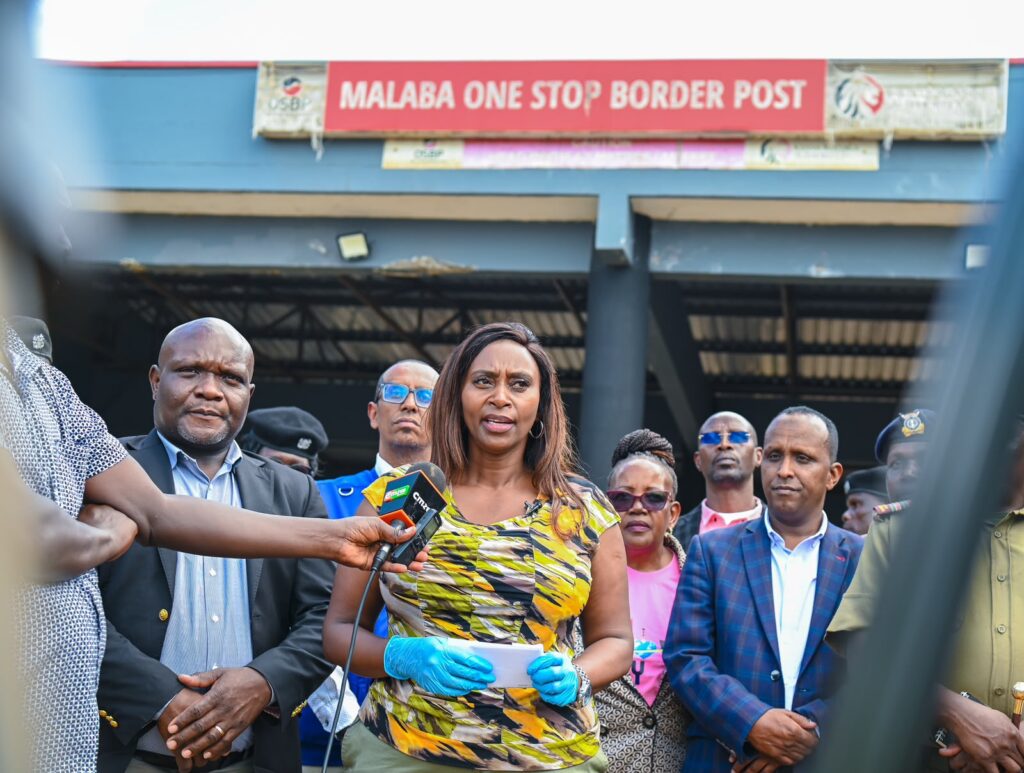
The Principal Secretary, last weekend while touring the Kenyan borders to assess preparedness and alertness, indicated that the country was well prepared and equipped to handle any cases, but informed the nation that it was still safe from the deadly virus.
Muthoni, while allaying fears that there could be suspected cases, noted that of the 16 suspected and tested individuals, none had tested positive for the virus.
“I want to reassure all Kenyans that as of May 29th, we do not have any confirmed cases of Ebola virus disease within our borders. Our surveillance systems are working as intended—we have swiftly tested 16 suspected cases from across the country, and I can confirm that all have returned negative.”
Laikipia has been chosen as a quarantine hub by the United States of America (USA).
The USA also has several CDC centres in the country where several labs are in place to test and implement medical tests, treatment and services.
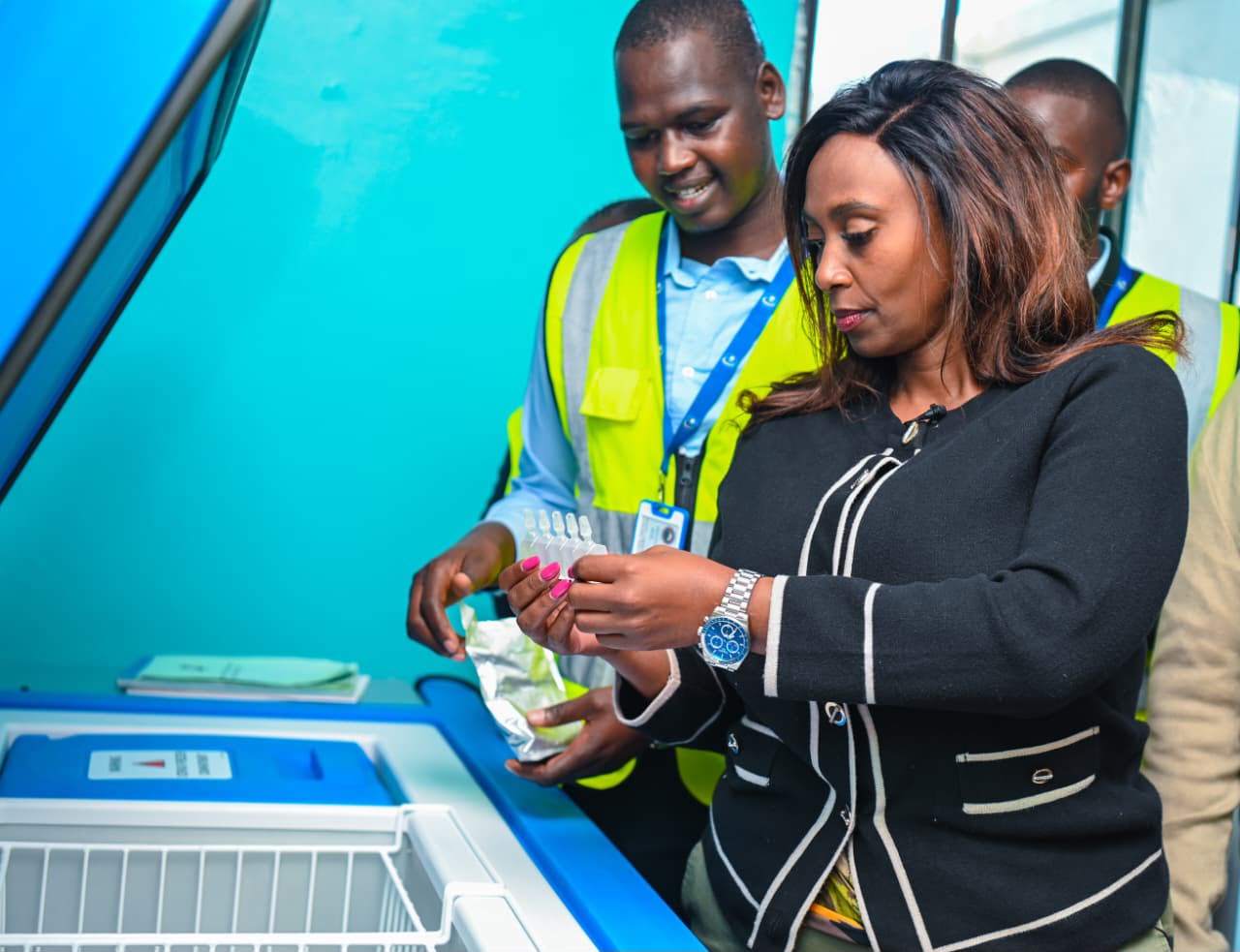
“As of 30th May 2026, Kenya has not reported any confirmed cases of Ebola virus disease (EVD). A total of 18 samples from EVD alerts were tested across various regions, including Nairobi, Kiambu, Uasin Gishu, Nyeri, Nakuru, Nyamira, West Pokot, and Kisumu, all of which tested negative. Testing is being conducted by four designated laboratories: National Public Health Laboratory, KEMRI Nairobi, KEMRI Kisumu, and a mobile laboratory in Busia,” she added.
Muthoni noted that risk assessment has identified 25 high-risk counties, with 12 classified as very high risk and 13 as high risk. The very high-risk counties include Nairobi, Mombasa, Uasin Gishu, Busia, Kisumu, Bungoma, Trans-Nzoia, Siaya, West Pokot, Turkana, Homa Bay, and Migori. The high-risk counties are Vihiga, Kakamega, Nakuru, Kericho, Nandi, Kiambu, Machakos, Makueni, Kilifi, Taita Taveta, Isiolo, Elgeyo Marakwet, and Garissa.
PS Mary said: “Following reported cases in neighbouring Uganda and DRC Congo, we conducted rigorous inspection visits at the Busia and Malaba One Stop Border Posts to assess our public health readiness. The Good News: Kenya remains free of the Ebola Virus Disease. All 59 suspected cases tested in the country have returned negative results. The Government is fully committed to protecting our border health security while ensuring safe cross-border trade and movement. To prevent the importation of the virus, the Ministry of Health has actively scaled up our defences.”
Of the strategy Kenya has taken, the PS said they had put in place:
- Enhanced Diagnostics: Strengthened surveillance and laboratory testing capacity in Nairobi and Kisumu.
- Vigilance: Intensified traveller screening and inter-agency coordination at all entry points.
She further noted that as a government, “We deeply commend our frontline health workers, border officials, and partner agencies for their tireless commitment to keeping Kenyans safe through early detection and rapid response. A quick reminder to the public: Please continue to maintain proper hygiene practices and rely only on verified updates from the Ministry of Health or official government channels. Let’s work together to stop the spread of the Ebola Virus.”