
By Phillip Orwa
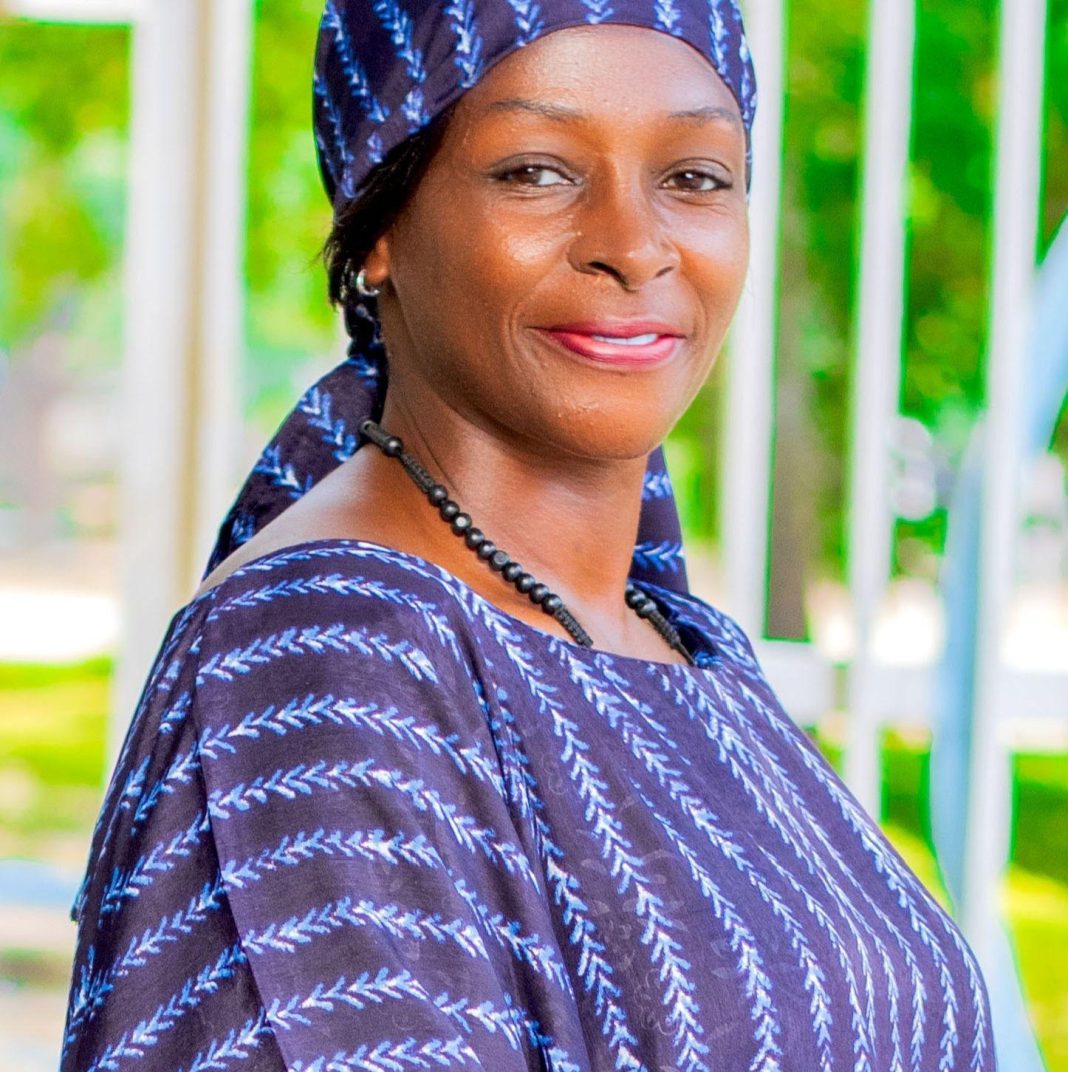
The Executive Director of the Smart Ladies Initiative, Eunice Dollar, has welcomed the regulation by FIFA directing every team in a FIFA women’s competition to have “at least one female head coach or assistant.”
In a statement, the regulation indicated: “Each team will be required to have at least one female head or assistant coach; this is part of sweeping new regulations from soccer’s governing body aimed at boosting the number of women coaching at the highest levels.”
The regulations were approved by the FIFA Council on Thursday and come “into effect with this year’s U-17 and U-20 Women’s World Cups and the Women’s Champions Cup,” and will also include the Women’s World Cup next year in Brazil.
The new regulations stipulate each team “must have two female staff on the bench” and will cover all FIFA women’s tournaments, from youth to senior level. Only 12 of the 32 head coaches at the 2023 FIFA Women’s World Cup 2023 in Australia were women.
FIFA said this is a proportion that “does not reflect the rapid growth of the women’s game globally.” The body added that the new rules are part of a “long-term strategy to ensure that representation of women in technical and leadership roles keeps pace with the rapid growth of the women’s game.”
In response to FIFA’s newly enacted directive, Eunice said: “We acknowledge this regulatory shift as a pivotal, albeit complex, intervention in the landscape of women’s football in developing countries.”
“This regulation, aimed at addressing the significant gender disparity in high-level technical leadership, represents a formal recognition that the development of women’s football cannot be solely measured by player participation rates, but must also encompass leadership pathways and safeguarding for female athletes,” she added.
She noted that “a female figure in the leadership position” within each team will build a sense of safety for players, with such roles carrying added responsibilities.
The Executive Director also said the directive will help in “correcting a systemic imbalance.”
Historically, women’s football has suffered from a “leaky pipeline,” where female athletes transition to coaching at far lower rates than their male counterparts. Despite the exponential growth of the women’s game at the player level, the percentage of female head coaches in top-tier leagues and international tournaments has stagnated, and in some cases declined, over the past decade.
She said the directive will act as a “structural correction,” ensuring women are not merely participants on the pitch but also decision-makers on the sidelines.
On development, she described the move as “catalyzing development and mentorship.”
She noted that female coaches serve as a critical catalyst for growth, helping young athletes see football as a viable long-term career beyond playing. This will create “a clear pathway to tomorrow’s coaching roles,” strengthening sustainability in the sport.
However, she cautioned on implementation, noting that while the intent is commendable, it must go beyond “mere compliance.”
“Mandates without resources risk creating ‘tokenism,’ including hiring female coaches in name-only roles without real authority,” she said.
She urged FIFA and confederations to ensure the rule fosters “authentic growth” by:
- Expanding funding for UEFA Pro and CAF License courses targeted at female coaches.
- Establishing safeguarding measures to prevent tokenism and ensure equitable compensation.
- Supporting succession planning to build a pipeline for future female head coaches.
She concluded that the directive marks “a step toward holistic professionalization” of women’s football.
“True professionalization requires not just elite playing environments, but diverse, representative leadership structures. By mandating female representation, FIFA is acknowledging that the sustainability of the women’s game depends on empowering women across all facets of the sport,” she said.
“We look forward to monitoring the implementation of this regulation and ensuring it becomes a springboard for long-term systemic change, rather than a short-term administrative checkbox.”