By Remmy Butia
As the calendar turns to March, the North Rift region of Kenya eagerly anticipates the arrival of the long-awaited March-April-May (MAM) rainfall season. This period, often referred to as the “long rains,” is a critical time for the region, which relies heavily on agriculture for livelihoods and food security. For farmers, pastoralists, and communities across the North Rift, the onset of these rains brings renewed hope and the promise of a bountiful season.
The North Rift, encompassing counties such as Uasin Gishu, Nandi, Elgeyo Marakwet, and Trans Nzoia, is known as Kenya’s breadbasket due to its fertile soils and favorable climate for crop production. However, the region has faced challenges in recent years, including erratic weather patterns and prolonged dry spells, which have disrupted farming cycles and threatened food supplies. The MAM rains, therefore, are not just a weather phenomenon but a lifeline for millions.
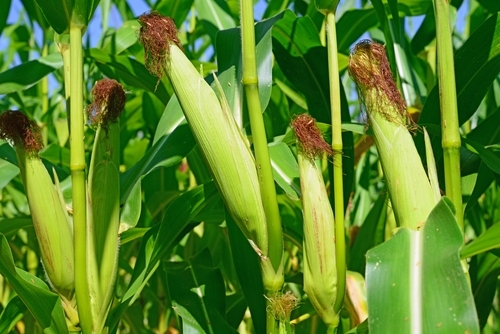
As the first rains begin to fall, the landscape transforms almost overnight. Dry, cracked earth gives way to lush green fields, and the air is filled with the scent of fresh soil. Farmers rush to prepare their land, planting staple crops such as maize, beans, and wheat. For pastoralists, the rains rejuvenate grazing lands, ensuring their livestock have access to water and pasture.
The MAM season is also a time of community and collaboration. Neighbours come together to help each other plant, and local markets buzz with activity as farmers purchase seeds, fertilizers, and tools. The sound of children playing in the rain and the sight of livestock grazing in revitalized fields are reminders of the resilience and adaptability of the North Rift communities.
However, the season is not without its challenges. Heavy rains can sometimes lead to flooding, soil erosion, and the spread of waterborne diseases. Local authorities and organizations are working to mitigate these risks by promoting sustainable farming practices, improving water management systems, and providing early warning systems for extreme weather events.
As the North Rift region embraces the March-April-May rainfall season, there is a palpable sense of optimism. The rains are a reminder of nature’s cycles and the enduring connection between the land and its people. For the farmers, pastoralists, and families who call this region home, the MAM season is not just about rain – it’s about hope, renewal, and the promise of a brighter future.