By Billy Mijungu
December has, and perhaps always will be, a month of profound significance for the Luo community. It is a time when Luos across the globe congregate unapologetically and with great zeal for familial, cultural, religious, and professional reconnection. Whether in homesteads by Lake Victoria or in bustling urban centres worldwide, December is our month of togetherness.
The past year has showcased an inspiring cultural renaissance, with events that have reaffirmed the Luo spirit and heritage. The Luo-Abasuba Rusinga Festival, a jewel of our cultural calendar, set the tone with its vibrant celebration of art, music, and oral histories. Hot on its heels came Sigand Nyi Nam, the storytelling frame that brought to life the mythical and historical narratives of the Daughters of the Lake. The festivities crescendoed with the Piny Luo Festival in Siaya, a spectacular gathering that celebrated the essence of Luo identity.
Looking ahead, Migori will host the next edition of the Piny Luo Festival, a responsibility that requires robust preparation. It is my hope that Migori will rise to the occasion, perhaps even boasting a modern stadium worthy of such a monumental event.
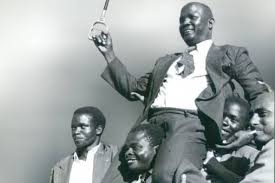
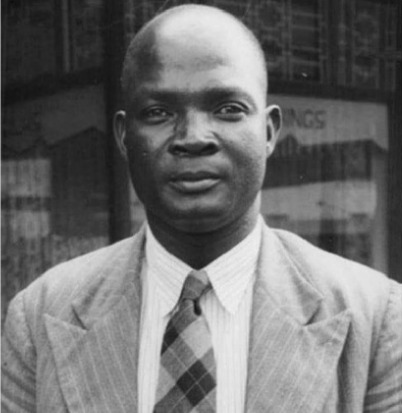
Beyond the festivities, this recent wave of cultural consolidation marks a poignant moment of reflection. It harks back to the days of the Luo Union, established under the stewardship of Jaramogi Oginga Odinga. The Union was not merely a cultural hub but also an economic engine that unified Luos across Africa and beyond. Today, as we revel in our shared heritage, it is worth pondering: Are we fully harnessing the potential of these gatherings to drive socio-economic transformation?
This is our fault line, our Achilles’ heel. Cultural celebrations, while essential, should be more than an end in themselves. They must evolve into platforms for economic empowerment, innovation, and collective growth. The Luo Union’s legacy offers a blueprint we cannot afford to ignore.
As Kenyans, the resurgence of Luo cultural pride is a clarion call. It challenges us to envision similar gatherings for all 54 ethnic groups in Kenya, a mosaic of celebrations that could redefine our national identity. Imagine the strength and unity this could foster, not just within our communities but across the entire nation.
The Luos have lit the torch. It is now upon us all to carry it forward, to reboot our cultural frameworks, and to chart a collective future that blends tradition with progress. Let this be the beginning of a cultural renaissance, not just for the Luo but for Kenya as a whole.
The writer is a political commentator.