Home Blog Page 172

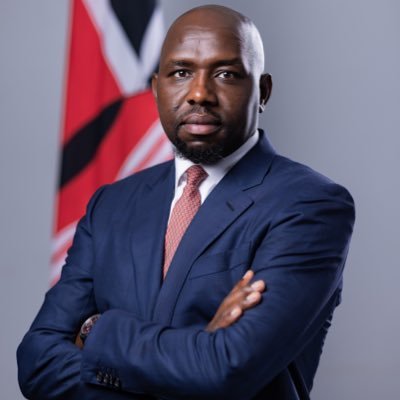
Murkomen’s performance in legislative and Service speaks out.

0

By Remmy Butia

Hon. Onesimus Kipchumba Murkomen, EGH, is a distinguished Kenyan lawyer, politician, and public servant who has consistently delivered exceptional leadership in every role he has undertaken. From his tenure as Senator for Elgeyo Marakwet to his service as Senate Majority Leader, and later as Cabinet Secretary for Transport, Murkomen has demonstrated an unwavering commitment to good governance, infrastructural development, and legislative excellence.

Born in Elgeyo Marakwet County, Murkomen rose from humble beginnings to become one of Kenya’s most accomplished legal minds. He holds a Bachelor of Laws (LLB) from the University of Nairobi and a Master of Laws (LLM) in Comparative Constitutional Law from the same institution. His legal expertise and passion for justice saw him excel in private practice before transitioning into public service.

Senate Tenure: A Transformative Legislative Leader

In 2013, Murkomen was elected as the first Senator for Elgeyo Marakwet County, a position he held until 2022. His legislative acumen and dedication to devolution earned him respect across the political divide.

Senate Majority Leader (2017-2020)

As Senate Majority Leader, Murkomen played a pivotal role in shaping Kenya’s legislative agenda. He was instrumental in:

  • Strengthening devolution by ensuring equitable revenue sharing among counties.
  • Championing constitutional amendments to enhance governance.
  • Promoting bipartisan cooperation in Parliament.

His leadership during this period was marked by eloquence, strategic thinking, and a deep understanding of Kenya’s legal framework.

Cabinet Secretary for Transport (2022-2023)

Appointed as Cabinet Secretary for Transport, Infrastructure, Housing, and Public Works by President William Ruto in October 2022, Murkomen embarked on an ambitious mission to revolutionize Kenya’s transport sector. Key achievements include:

  • Road Infrastructure Development: Spearheading the construction and rehabilitation of major highways to improve connectivity.
  • Public Transport Modernization: Advocating for the Nairobi Commuter Rail Network and the Bus Rapid Transit (BRT) system to decongest urban areas.
  • Aviation Sector Reforms: Enhancing safety standards and expanding airports to boost tourism and trade.
  • E-mobility Promotion: Supporting the adoption of electric vehicles to reduce carbon emissions.

His hands-on approach and visionary policies earned him praise for revitalizing Kenya’s transport infrastructure.

Current Role: Cabinet Secretary for Interior & National Administration

In a cabinet reshuffle in October 2023, Murkomen was reassigned to the Ministry of Interior and National Administration – a critical docket responsible for national security, immigration, and disaster management. True to his track record, he has already initiated key reforms, including:

  • Enhanced Security Measures: Strengthening police reforms and community policing to curb crime.
  • Efficient Service Delivery: Digitizing immigration and civil registration processes.
  • Disaster Preparedness: Improving response mechanisms to mitigate floods, fires, and other emergencies.

A Leader Who Delivers

Throughout his career, Hon. Kipchumba Murkomen has proven himself to be a dynamic, results-driven leader. Whether in legislation, infrastructure development, or national security, his contributions have left a lasting impact on Kenya’s growth trajectory. His journey from a young lawyer to a key figure in Kenya’s leadership underscores his dedication to public service and nation-building.

As he continues to serve as Interior CS, Kenyans can expect more transformative reforms under his stewardship, further cementing his legacy as one of the country’s most effective leaders.

Go for Early Diagnosis, Urges Health CO as Homa Bay Distributes Sh50 Million Worth of Drugs

0

By Habil Onyango

Homa Bay County Chief Officer in charge of health, Dr Kevin Osuri, has urged residents to seek early diagnosis to prevent minor health complications from escalating.

Dr Osuri noted that there is currently a high prevalence of non-communicable diseases, many of which can be prevented through regular check-ups.

It is unfortunate that even minors are now being diagnosed with diseases that were previously thought to affect only the elderly,” he said.

I want to urge our people to routinely seek early diagnosis at our various health facilities,” added Dr Osuri.

According to him, early diagnosis is crucial for improving health outcomes, allowing for timely intervention, better treatment success, higher survival rates, and an overall improved quality of life.

When diseases are detected early, treatments are often more effective and less invasive. Early intervention can prevent diseases from advancing to more severe stages and minimise damage to vital organs,” he stated.

It also enables prompt medical attention, increasing the chances of positive health outcomes and recovery,” he added.

There is a rising prevalence of non-communicable diseases, particularly among the younger population. It is now common to find young children diagnosed with diabetes or hypertension—conditions that can largely be prevented through early diagnosis,” said the medic.

Dr Osuri, however, admitted that the county has faced challenges in supporting Community Health Volunteers (CHVs) due to delays in the disbursement of devolved funds. He, however, expressed gratitude to Médecins Sans Frontières (MSF) for their continued support during these challenging times.

We have had difficulties in addressing CHV payments due to delays in exchequer disbursements. However, I would like to thank MSF for their significant support in healthcare matters,” he said.

Dr Osuri was speaking at Nyalkinyi Health Centre, where he led other county government officials in the distribution of Sh50 million worth of pharmaceutical and non-pharmaceutical drugs to all Level 2 and 3 health facilities across the county. The distribution was carried out through the Kenya Medical Supplies Authority (KEMSA) using the last-mile distribution model.

According to Dr Osuri, this initiative aims to eliminate any potential pilferage during the distribution process.

The County Government of Homa Bay has successfully procured and distributed pharmaceuticals and non-pharmaceuticals worth Sh50 million to all Level 2 and 3 health facilities within the county,” he stated.

Utilising the last-mile distribution model, the national medical supplier, KEMSA, has directly delivered essential medical supplies to health facilities, ensuring a prompt and secure distribution process,” he added.

Dr Osuri was accompanied by the Director of Health, Dr Gordon Okomo, among other county officials.

Governor Susan Kihika’s maternity leave: why Kenyans should respect women leaders

0

By Remmy Butia

Nakuru Governor Susan Kihika’s absence from office due to maternity leave has sparked unnecessary controversy, raising critical questions about society’s perception of women in leadership.

Unnecessary Pressure on Women Leaders

Governor Kihika, like any other working mother, is entitled to maternity leave under Kenyan law. However, her absence has been politicized, with some critics demanding her immediate return to office. Shockingly, an activist in Nakuru even appealed to US President Donald Trump to intervene – a move that highlights the absurdity of the backlash against her.

On January 17, 2025, Governor Kihika clarified that she was on a legitimate maternity break, yet the public debate over her whereabouts continues. This raises a disturbing trend: why are women leaders held to impossible standards, expected to choose between public service and motherhood?

KEWOPA’s Stand: Maternity Leave is a Right, Not a Privilege

Since when did childbirth become a crime for female leaders? This is the question posed by female MPs under the Kenya Women Parliamentary Association (KEWOPA), who have come out strongly to defend Governor Kihika’s right to take maternity leave without undue scrutiny.

The Female MPs under KEWOPA have condemned the attacks on Governor Kihika, emphasizing that maternity leave is a constitutional right. They argue that the same society that celebrates motherhood suddenly turns hostile when a woman in power exercises this basic right.

Would we be having the same conversation if a male leader took a medical leave?” posed one MP. The double standards are glaring – men in leadership are rarely questioned for taking time off, yet women are expected to justify their need for maternity leave.

Kenyans must recognize that women leaders, like all mothers, deserve respect and support during childbirth and postpartum recovery. Instead of questioning Governor Kihika’s commitment to her role, we should be advocating for better policies that support working mothers in leadership positions.

The criticism directed at Governor Kihika reflects a deeper societal problem – the persistent belief that women must sacrifice their personal lives to prove their competence in leadership. This narrative must change.

Normalize Maternity Leave for Women in Power

Governor Susan Kihika’s case should serve as a wake-up call. Kenya must move beyond archaic stereotypes and embrace the reality that women can be both effective leaders and devoted mothers.

Rather than demanding her premature return, Kenyans should extend grace and solidarity to Governor Kihika, just as they would for any leader recovering from a medical procedure. Childbirth is not a crime – it’s a natural part of life that deserves respect, not ridicule.

Let us champion dignity for women in leadership and normalize maternity leave without stigma. After all, a society that supports its mothers is one that truly progresses.

Mr. President, Gen Z’s Can sustain the Noise?

0
Billy Mijungu

By Billy Mijungu

With one year remaining before Kenya enters the intense political cycle of 2026, President William Ruto faces a defining moment in his administration. This period is crucial for consolidating his development agenda before politics consumes the national discourse.

The political landscape is shifting rapidly, with unexpected challenges emerging from a youthful and energized demographic that has found its voice in the Gen Z movement. Their influence is growing, their messaging is clear, and their ability to sustain pressure is proving formidable.

Recent events have demonstrated the scale of their mobilization. At the Safari Rally in Naivasha and during the football match between Kenya and Gabon, chants of Ruto Raila Must Go echoed across the crowds.

These were not isolated incidents but a well-orchestrated strategy that is gaining momentum. What is striking is that this movement has taken root in spaces previously considered neutral or apolitical.
The noise is spilling over into churches, a realm where the President once enjoyed unchallenged dominance. Even places of worship have not been spared from this new wave of defiance.

Unlike traditional opposition movements, this uprising does not revolve around politicians or established structures. It is raw and unfiltered, and it thrives on spontaneity. The challenge for the President is that there is no single leader to negotiate with, no backroom deals to be made, and no amount of money that can silence it. It is an organic force driven by frustration, economic realities, and a generation that refuses to be ignored.

Faced with this reality, the President must recalibrate his approach. He cannot afford to engage in shouting matches or attempt to outmaneuver the noise through counter-rallies and public appearances. That strategy would only fuel the fire. His best move is to retreat into the business of governance and let his work speak for itself.

The government’s ministries, departments, and agencies should take the lead in showcasing progress. It is they who must communicate the administration’s achievements, not the President himself. He should resist the temptation to respond directly to the noise and instead focus on delivering tangible results.

By stepping back from the limelight and immersing himself in governance, the President will create an aura of mystery around his leadership. The more he stays away from public confrontations, the more he will deny his critics the opportunity to engage him on their terms. His absence from the daily spectacle will force his opponents to fill the void, exposing their own weaknesses and lack of an alternative plan.

The Gen Z movement is not going anywhere. Their noise will persist, their strategies will evolve, and their influence will grow.

The President’s best response is not to fight the wave but to rise above it. He must become less visible, more focused, and entirely immersed in the business of governing. His silence will speak louder than any rally. His work will be his defense. By 2026, when the country is fully engulfed in politics, he will have built a legacy strong enough to withstand the noise.

Math as a Catalyst for Critical Thinking: Shaping Minds for the Future

0

Dr.Edris N.Omondi (Advocate)

attorneyedris@ywcg.org 

Mathematics, often perceived as a daunting and abstract subject, has long been relegated to the realm of the “geniuses” in the classroom.

For many students, it is a source of frustration, fear, and anxiety, often due to ineffective teaching methods or the prevailing belief that it is an inherently difficult subject.

However, as one’s perspective shifts and the approach to learning mathematics changes, it can become not only an enjoyable pursuit but also a powerful tool for developing critical thinking skills.

Personal Experience:

My personal experience with mathematics began in high school, where I was taught by a teacher who, despite his expertise in the subject, struggled with a stammer.

His difficulty in conveying concepts clearly and at an engaging pace made math seem boring and inaccessible.

Gradually, I distanced myself from the subject, skipping classes and neglecting assignments.

Found myself absorbed in novels during the lessons.

Indeed, my grades plummeted, and I came to view math as something reserved for the “brainiacs,” further solidifying my belief that it was an insurmountable obstacle.

The collective mindset around me – that math was too difficult – compounded this feeling, creating a culture where math was not something I enjoyed but rather something to be feared and avoided.

The shift:

However, a shift occurred when I embarked on my academic journey at a foreign university in India.

Due to my low grades in high school, I was required to take a bridging course, and once again, mathematics was a mandatory subject.

This time, however, I found myself in a class filled with Indian students who had an entirely different attitude towards math.

Before the teacher could even finish a problem, every hand in the room was raised, eager to answer.

I was astonished.

There was an energy in the room, a sense of excitement and competition that I had never associated with math before.

Determined to understand the methods they were using; I befriended some of my classmates and learned their techniques.

Slowly but surely, my brain began to engage with numbers in a way I had never experienced before.

Math was no longer a chore; it became a puzzle, a game I wanted to solve.

Reflecting on my experience, I realized that there was nothing inherently wrong with me or my ability to understand math or the several canes that i had to endure to get the concepts.

The problem lay in the approach to the subject, both in how it was taught to me and in the prevailing cultural belief that it was an inherently difficult discipline.

The pervasive attitude that math was reserved for the elite created a barrier that discouraged me from even attempting to engage with the subject.

Once I discovered a new, more accessible way to approach mathematics, everything changed.

Exposing my Children:

This realization has shaped my approach to raising my children.

I wanted to break the cycle of fear and misunderstanding around math, so I exposed them to the same techniques that helped me learn.

I even purchased video tapes of these methods, ensuring that they would have a solid foundation in mathematical thinking.

Today, my children not only excel in their math classes but also demonstrate critical thinking skills that extend beyond the subject itself.

One of my children, now at university, encouraged me to write this article, arguing that to be a true critical thinker, one must engage with mathematics.

My youngest daughter-10 seemed shocked when i mentioned to her that there is a possibility to scrap mathematics as a mandatory subject.

She retorted by saying, ‘everything in our lives is all about math, including climbing the stair-data.

After all-how can we compete with the rest of the world if we neglect training our minds from an early age?

International examples abound where a strong foundation in mathematics is key to fostering critical thinking and problem-solving skills.

In Japan, for example, children as young as four years old are introduced to basic math concepts in a way that is both fun and engaging.

As they grow older, their understanding of numbers becomes more sophisticated, and they are trained to approach problems methodically and analytically.

This early education has contributed to Japan’s global success in fields like engineering, technology, and scientific research.

It is no surprise that Japan consistently ranks among the top countries in international assessments of mathematical proficiency.”

Value addition:

Back home, educational standards are improving by enculturating value added CBC, the implementation challenges are real.

However, the importance of mathematics in developing critical thinking should not be taken for granted but embraced.

As too students excelling in math, particularly those in competitive environments like national exams or specialized schools, is of no doubt.

Yet, the subject often remains a barrier for many others, due in part to outdated teaching methods and a lack of access to engaging resources. 

However, initiatives from the Kenya National Examinations Council’s introduction of more practical math problems and the growing presence of online learning platforms are fountains in the right direction and indeed its beginning to make a difference.

When students are taught to approach math not as a rigid set of rules but as a fluid problem-solving process, their minds are sharpened for all aspects of life.

Critical Thinking:

Critical thinking is not just about learning how to solve mathematical problems.

It is about learning how to approach any challenge with logic, creativity, and perseverance.

Mathematics trains the brain to think systematically, to break down complex problems into manageable parts, and to develop solutions step by step.

These are the skills that will help individuals solve real-world problems, from managing finances to tackling global issues like climate change or technological innovation.

Cognitive abilities.

Ultimately, math is not just a subject; it is a vital tool for developing the cognitive abilities that will allow individuals to thrive in an increasingly complex world.

The Japanese education system’s success in integrating math into early childhood development is a way to imbue. 

We have a responsibility as Kenyan s to ensure that the teachers are equipped with several teaching techniques to help modernize math education and make it exciting.

We too can offer a blueprint for other countries to follow.

By approaching math with the right mindset and teaching methods, we can foster a generation of critical thinkers capable of solving the world’s most pressing problems.

In conclusion, if we are to equip the next generation to compete on a global stage, we must rethink on how we teach math, not think on how to make it optional!

It is not just about numbers; it’s about shaping young minds to think critically, creatively, and analytically.

By doing so, we will give them the tools they need to succeed in any field and tackle the challenges of the future with confidence and clarity.

Dr. Edris Omondi is a Preacher, Social Thinker, Mentor, Lawyer, Writer and a Public Speaker.

Tuju tells Gen Zs his hands are clean, as he pens a third letter to CJ Koome

0

By Anderson Ojwang

Former Foreign Affairs Minister Raphael Tuju has explained that his 24 hectares of land in Nairobi’s leafy Karen Estate is not grabbed public land or proceeds of crime money stolen from government coffers.

In a third open letter to Chief Justice Martha Koome, Tuju went on to explain to the Gen Zs how he acquired his prime property, valued at billions of shillings.

“For the benefit of the Gen Zs who may read this open letter and who may be wondering how I acquired that relatively large piece of land, it is important that I give one or two sentences to explain myself.

None of my Karen land is grabbed public land. Neither is any of it bought from proceeds of crime or money stolen from public coffers, despite having been a senior public servant at some stages of my life.

Being politically exposed, I am aware of the fact that I can easily become a victim of mass media and public lynching when people are unable to understand the sources of my properties.

I can confirm to all that I first acquired my piece of land in Karen some 39 years ago when I was a young journalist in my 20s, working as a producer of documentaries and a TV news anchor.

The public and the media, on several occasions in the recent past, have been the victims of facile manipulation by a PR firm hired by the EADB to push a negative narrative against me, ignoring these historical facts of my life and career.

I was young, but I borrowed money to buy 2.5 acres when an acre used to be bought for one hundred thousand shillings. I borrowed money progressively from National Bank of Kenya and Kenya Commercial Bank over the years and bought more.

It is these lands that various vultures are now circling over, trying to grab them at any cost,” he wrote.

In his letter, Tuju took issue with some Supreme Court (SCoK) judges over allegedly making statements and discussing matters before the court.

“In this open letter, I refer to this case at this time when some SCoK judges are very vocal in the public domain, making statements and moves in the Judiciary as if they are infallible.

They are discussing, in the public domain, matters before the High Court and the JSC. What should mere mortals like me do when they do this on cases that affect us?

True, we must respect the Judiciary. We must uphold the rule of law, such as obeying court orders.

In the modern model of the state, the Judiciary is as indispensable as the Legislature and the Executive. Nobody in their right mind can argue with the fact that the Judiciary is an important pillar of the state and the last bastion for the protection of the constitutional rights of all citizens.

The Apex court, the SCoK judges, therefore, must bear the solemn responsibility of carrying out their duties with wisdom and sensitivity, upholding the rule of law, ensuring a fair trial, and protecting the Constitution.

An irresponsible SCoK can easily make our country burn, just as happened in the USA. It was only after the civil war that the US Congress, another arm of government, enacted legislation to ensure that the abhorrent and immoral ruling of the Supreme Court that supported slavery was vacated,” he wrote.

Tuju said the Judiciary must rise above and ensure the upholding of justice in the country, even if the Executive becomes dysfunctional.

“The country can survive a defective, dysfunctional, and corrupt Executive or Legislature. Kenyans can significantly change these two branches of government through elections every five years.

But our Lords, the Justices of the SCoK, have security of tenure. The checks and balances to ensure that impunity does not feature in their actions are vested in the Judicial Service Commission (JSC).

When SCoK judges attempt to stop proceedings at the JSC, then it can only mean that they want a licence for impunity.

In their recent public statements, the SCoK judges rightly insist that they must be respected by Kenyans.

But I believe that they too should respect the law of the land and constitutional bodies like the JSC. And by the way, I repeat, they should stop making public comments on matters at the JSC and in court. They should start by respecting their own institutions.

The SCoK judges want immunity from the JSC, yet other judges of the High Court have been subjected to the JSC process. Undermining the JSC is undermining the Constitution,” he wrote.

Tuju also wants the Chief Justice to set up a tribunal to interrogate the conduct of Senior Counsel (SC) Fred Ojiambo and SC Githu Muigai for gross professional misconduct so that they may be stripped of the title of SC.

Tuju wrote that at the centre of his conflict with EADB and now also against five Supreme Court judges is a 27-acre piece of land in the Karen area of Nairobi.

“The foregoing being only background, this is the third letter I have written to you, Madam Chief Justice, with regard to my case. I enclose all together with your replies for ease of reference.

My first letter received your response when you stopped the panel of five judges from engaging in an obvious and shameful infraction of court procedures.

My second letter listed a further seven violations of the law and court processes by the panel of five SCoK judges, despite your earlier intervention.

In this second instance, I received a letter from all seven judges, including yourself.

You never denied the seven grounds of misconduct that included refusal to allow my constitutional right to a rejoinder.

The judges had also dismissed my evidence on the grounds that I had stolen the documents from the EADB offices in Kampala. The response of the seven judges bordered on the ridiculous. I quote: “The issues raised in your letter are very disturbing.” (Here enclosed for your reference).

It later emerged that these were lies by bank lawyers after investigations by the DCI.

When the five judges continued with their violations and open biases, I got their drift loud and clear. I reported some of the most immoral rulings and abuses of process to the JSC,” he wrote.

“Also, before the Senior Counsel Committee that you chair, there are two cases against SC Fred Ojiambo and SC Githu Muigai with respect to the manufacture of false affidavits that have now been recanted at the High Court and are at the centre of criminal proceedings against the EADB officials at the Nairobi Magistrates’ Court.

With respect to SC Githu Muigai, with the declaration of the EADB Act as unconstitutional by the High Court in Machakos on 20th March 2025, we are looking at a serious criminal conflict of interest, as he chaperoned this legislation in Parliament when he was the AG while his firm was, at the same time, doing roaring business with EADB, who remain his clients to this day,” he wrote.

The Impact of Funerals in Luo Nyanza: A Comparative Analysis on Cost Implication and Cultural Balance

0

Dr. Edris N.Omondi  (Advocate)

attorneyedris@ywcg.org

This day, just like any other funerals I have attended, I find myself surrounded by kinsmen from Kobita my rural home, preparing to bury my aunty, who was married in the distant town of Uriri, South Nyanza.

Aunty Grace, who breathed her last at the age of 83, had a life full of rich connections and friendships. Now, we must uphold the Luo tradition and ensure that she is buried in a manner that respects our cultural expectations and befits her age.

According to tradition, certain guests are expected to attend the burial: ‘Oche’-the sons-in-law; ‘Nyiwende’-the mothers of the married couples; and ‘Sange’– men married from this specific homes.

Oche normally receive esteemed honored, as it symbolizes the families that married into her home.

Aunty Grace had twelve children, the youngest 43, and off-course the children are expected to shoulder the financial burden of the funeral.

The expense is considerable, especially as these key guests must be fed well during the funeral rites and each child expecting their guests to be well pampered.

Emerging in recent years, however, is the presence of the political class and their entourage, who are invited to attend the burial as a form of solidarity and respect, adding another layer of financial strain to the bereaved family.

This trend adds complexity to the already challenging financial implications of funerals in Luo Nyanza.

In Luo culture, the saying “Luo kitgi gi timbegi”, which means “The Luo have their own ways,” reflects the deep attachment to cultural traditions, even when they are financially demanding.

When it came to my auntie’s burial, every detail had to be meticulously observed, from the preparation of the body to the feeding of guests, all according to the precise customs that have been passed down through generations.

In conducting my research into the impact of Luo funerals among the Luo across Kenya, Uganda, Tanzania, Ethiopia, and also among the Ibo of Nigeria, I found that while the specific practices may vary, they shared principles of respect for the deceased and the family unite these cultures.

One of the most pressing issues faced by these communities, however, is balancing the cultural importance of funeral rites with the growing financial burden they place on the living.

It is a topic that demands attention, especially as the cost of funerals continues to rise.

Funeral Costs in Luo Nyanza

In Luo Nyanza, funeral expenses are a significant financial strain on families, primarily due to the elaborate rites and communal participation expected.

Indeed, this is a multi-billion-shilling industry, an economy marching the county government annual expenditure, with state of the art funeral parlous across Luo nation-resting homes for the dead, finding their place.

The estimates suggest that 100 Luo’s die every day from the 4 Luo counties of Kisumu, Siaya, Homa Bay, and Migori, giving an average of 25 deaths per county per day, with approximately 36000 deaths in a year, giving an estimated expenditure and spending of approximately KSh 20 billion annually on funerals, with the cost of a typical funeral ranging from KSh 50,000 to KSh 500,000, depending on the family’s financial status and the scale of the ceremony at a bare minimum.

This means that every year, families across the region are collectively contributing to a massive financial outlay, which places immense pressure on the living, especially those already struggling with other financial responsibilities, left with hospital bills, school fees and other intricate day to day expenses that would have been realized had the bereaved been consulted.

A Comparative Look at Burial Customs among the Ibo’s and the Acholi of Uganda.

The Luo burial customs, though unique in their specifics, share commonalities with other African cultures.

For instance, the Ibo of Nigeria also engage in elaborate burial rituals, with burials prolonged sometimes up to six months-serving as social statements and reflecting the deceased’s status and the family’s wealth during the prolonged mourning period.

While these traditions carry deep cultural significance, they often leave families in financial ruin, as they are expected to host extravagant ceremonies that can cost more than the family can afford.

This tension between cultural expectations and financial realities is not unique to the Kenyan Luos with them taking a minimum of two weeks in mourning before the burial rites are completed.

Among the Acholi Luo’s of Uganda, however, there has been a shift toward a more financially sustainable approach to funerals among the enlightened members of those communities.

The introduction of the Last Respect Burial Insurance has provided a model that could potentially be adopted by the Luo community in Kenya.

This insurance allows individuals to pay small, affordable premiums over time, ensuring that funeral costs are covered without placing undue financial strain on the family.

By striking a balance between cultural traditions and the need to avoid debt, this system has proven to be effective in providing dignified, culturally respectful burials without unnecessary extravagance.

Helping the Poor of the Poor: A Critical Challenge in Luo Nyanza

One of the most pressing issues within the Luo community is how to help the poorest families who cannot afford even the most modest of funerals.

Politicians will hardly attend these funerals or who is who in the society.

A class thing.

The burden of organizing a funeral often leads to long-lasting financial difficulties for the bereaved, especially when they are left with school fees and other debts to pay.

Traditional methods of community support, such as collective contributions from extended families, are becoming less reliable due to increasing urbanization and migration.

However, there is potential to revive these practices on a local level, a funeral merry-go-round solution or even better an insurance schemes which could provide sustainable options for families in need.

Funeral contribution initiatives, where community members contribute to a shared fund, could be a solution that supports the poor while still honoring traditional practices.

These funds could provide low-cost or even free burials for families facing financial hardship, ensuring that no one is left behind due to their inability to pay for a culturally appropriate funeral.

I doubt whether politicians can take a frontline on this-professional chapters from those communities can take over humanitarian actions to abridge the need in the societies.

Balancing Tradition and Modernity: A Path Forward

As African cultures evolve, it is crucial to find a balance between respecting traditional burial rites and addressing the financial realities of modern life.

The success of the Acholi’s Last Respect Burial Insurance shows that it is possible to have a culturally meaningful funeral without plunging families into debt.

The Luo community could benefit from adopting similar models or developing their own systems to support families in need.

The goal is to ensure that both the deceased and the living are treated with dignity, while reducing the financial burden placed on the bereaved.

Conclusion

The burial customs of the Luo community, while rich in cultural significance, carry heavy financial and emotional costs.

In the face of modern economic realities, there is a growing recognition that funeral traditions must evolve to prevent the living from being burdened by unsustainable expenses.

By embracing innovative solutions like burial insurance, community fundraising, and professional funeral caucus support programs, the Luo and other African communities can find ways to honor their dead while ensuring the well-being of the living.

It is only through such balanced approaches that the sacred duty of laying the dead to rest can remain both culturally meaningful and financially sustainable for future generations.

Return to Minimum Contribution period and Prompt Settlement to encourage #Taifacare Registration and Contributions

0

By Billy Mijungu

The Ministry of Health’s plan to link SHA registration with key government agencies such as KRA NTSA NSSF Huduma Namba and NRB is a commendable effort aimed at improving compliance and boosting revenue collection.

However, the effectiveness of this move will depend on its execution and the trust the public has in the system.

Employers will now be subjected to random audits payroll integration and penalties for non-compliance which adds another layer of scrutiny to business operations.

While this may increase contributions to SHA the government must recognize that financial sustainability alone is not enough to fix the healthcare system.

Former PS Harry Kimutai’s warning to private hospitals that reject Taifacare raises serious concerns.

Threatening to withdraw licenses from private healthcare facilities is a reactionary measure that overlooks a fundamental reality.

Private hospitals operate independently and are guided by financial sustainability considerations.

Forcing them into a scheme they do not find viable is not a solution.

Instead, the government should focus on strengthening public hospitals and ensuring they have the capacity to provide quality healthcare services.

This would make public healthcare facilities the natural first choice for citizens and reduce overreliance on private hospitals.

It is time for the government to take a bold step and upscale public hospitals rather than leveraging private hospital facilities to sustain public healthcare schemes.

Strengthening public hospitals would involve investing in infrastructure equipment and personnel ensuring that public facilities can adequately handle the healthcare needs of Kenyans.

This approach would not only improve service delivery but also build trust in the public healthcare system.

The new Principal Secretary for Medical Services has an enormous task ahead.

The expectation is that he will drive significant improvements in public healthcare by prioritizing capacity building in public hospitals.

This means ensuring hospitals have enough medical personnel well-equipped facilities and a steady supply of essential drugs.

A robust public healthcare system is the foundation of any successful health insurance scheme. Without it even the best-funded insurance program will struggle to meet its objectives.

SHA is largely struggling because of low contributions and the reluctance of many Kenyans to sign up.

This challenge will not be resolved by threats or forced compliance but rather by building confidence in the scheme.

The government must persuade citizens by demonstrating that SHA is a reliable and efficient system. One of the biggest deterrents to enrollment is the perception that SHA does not pay claims promptly.

If people see that claims are settled without unnecessary delays, they will be more willing to contribute. The insurer must establish a reputation for efficiency and reliability.

There is also a need for structural reforms in Taifacare to ensure sustainability.

It should not be a plug-and-play system where individuals register make a first-time contribution and immediately demand full expensive settlements.

A minimum contribution period of three months should be established before a member can utilize the insurance for major medical expenses.

This will ensure that the fund remains financially viable and does not collapse under the weight of immediate high-cost claims.

This approach would also instill a sense of shared responsibility among contributors ensuring that the system is not exploited.

Healthcare reform in Kenya must be anchored on strengthening public hospitals enhancing compliance with SHA contributions and ensuring sustainability of insurance schemes like Taifa care.

The government must prioritize long-term solutions over short-term interventions.

A well-functioning public healthcare system will naturally attract contributions and reduce the need for coercion.

Sustainable reforms require a balanced approach where efficiency reliability and investment in public facilities take center stage.

If the right steps are taken Kenyans will willingly contribute to SHA and the dream of universal healthcare will finally become a reality.

The political spark that Central Rift Valley was! Will it rise again?

0

By Remmy Butia

The Central Rift Valley, a region that has long been a political and cultural stronghold for the Kalenjin community, has seen a significant shift in its leadership dynamics over the past decade.

The passing of veteran politicians such as Taita Towett, Kipkalya Kones, Lorna Laboso, and Joyce Laboso marked the end of an era characterized by charismatic and unifying figures who commanded respect across the community and beyond.

Today, the region is grappling with the question of whether it can reclaim its former leadership charm and reassert its influence in Rift Valley politics.

The Legacy of the Past

The late Taita Towett, Kipkalya Kones, Lorna Laboso, and Joyce Laboso were not just politicians; they were symbols of unity, resilience, and vision for the Kipsigis community.

Towett, a seasoned politician and intellectual, was instrumental in shaping the region’s political discourse. Kones, a fiery and passionate leader, was known for his unwavering commitment to the community’s development.

The Laboso sisters, Lorna and Joyce, broke barriers as women in leadership, inspiring a generation of young leaders and demonstrating the power of inclusivity.

These leaders were not only respected within the Kipsigis and Kalenjin community but also played pivotal roles in national politics.

Their ability to unite the community and articulate its aspirations made them indispensable figures in Kenya’s political landscape.

However, their passing left a void that has yet to be filled.

The Current Political Landscape

In the absence of these towering figures, a new generation of leaders has emerged, each vying to step into the shoes of their predecessors.

Among them are Kericho Senator Aaron Cheruiyot, Bomet Senator Hillary Sigei, former Bomet Governor Isaac Ruto, former Cabinet Secretary Charles Keter, former Roads Minister Franklin Bett, and former MP Zakayo Cheruiyot (ZK).

Others include Paul Sang, Beatrice Korir, MPs Nelson Koech, and Johanna Ng’eno “Ngong.”

While these leaders have made significant contributions to the region, the question remains: Can they collectively or individually restore the Central Rift Valley’s leadership charm and unite the Kipsigis community as their predecessors did?

The Challenge of Unity

One of the most notable attempts to unite the Kipsigis community in recent years came from former Bomet Governor Isaac Ruto.

Through his Chama Cha Mashinani (CCM) party, Ruto sought to create a grassroots movement that would address the community’s needs and aspirations.

However, his efforts were hampered by the broader national political dynamics, particularly the dominance of the two major political coalitions, Jubilee and later the United Democratic Alliance (UDA).

Despite his passion and commitment, Ruto’s CCM struggled to gain the traction needed to unify the community under a single political umbrella.

The Role of Emerging Leaders

Today, leaders like Bomet Governor Prof. Hillary Barchok and his Kericho counterpart, Dr. Erick Mutai, are working to address the region’s challenges.

Both governors have focused on development agendas, including healthcare, education, and infrastructure.

However, their influence remains largely confined to their respective counties, and they have yet to emerge as unifying figures for the entire Kipsigis community.

Similarly, younger politicians like Aaron Cheruiyot and Nelson Koech have shown promise, leveraging their positions in the Senate and National Assembly to advocate for the region’s interests.

Cheruiyot, in particular, has gained national recognition for his eloquence and legislative acumen.

However, the transition from being effective legislators to community-wide leaders is a challenging one, requiring not just political skill but also the ability to inspire and unite.

The Path to Recovery

For the Central Rift Valley to recover its leadership charm, its current leaders must focus on unity, vision, and service delivery.

They need to transcend personal and political differences and work together to address the region’s challenges.

This includes investing in education, healthcare, and infrastructure, as well as creating opportunities for youth and women.

Moreover, the region’s leaders must cultivate a sense of identity and purpose that resonates with the Kalenjin community.

This involves honoring the legacy of past leaders while embracing innovation and inclusivity.

By doing so, they can inspire confidence and rally the community behind a shared vision for the future.

The Central Rift Valley stands at a crossroads.

While the region has produced a new generation of leaders, the challenge of reclaiming its leadership charm and uniting the Kipsigis community remains daunting.

The legacy of leaders like Taita Towett, Kipkalya Kones, and the Laboso sisters serves as a reminder of what is possible when visionary and unifying leadership is in place.

Whether the current crop of leaders can rise to the occasion and restore the region’s political prominence will depend on their ability to transcend individual ambitions, embrace inclusivity, and articulate a shared vision for the future.

Only then can the Central Rift Valley once again lead the Kalenjin community with the same charm and influence that defined its past.

Empowering Grassroots Women and Youth in Kisumu: Overcoming Challenges, Exploring Solutions, and Unlocking Opportunities

0

Dr.Edris N. Omondi (Advocate)
attorneyedris@ywcg.org

Introduction: The Need for Empowerment

Empowering both grassroots women and youth in Kisumu County is essential for fostering economic resilience and sustainable development.

While women face systemic challenges, the youth demographic also faces barriers to education, employment, and income generation, particularly in rural areas.

By focusing on inclusive empowerment programs that integrate both women and youth, Kisumu has the potential to tap into a powerful force for social change and economic growth.

This article will navigate through the key challenges facing grassroots women and youth, explore solutions including SACCOs, IGAs, and market data platforms for better empowerment programs, and identify best practices from countries like India, Japan, and China in sectors such as agriculture, poultry, dairy, and fishing.

Drawing on these international examples and lessons, Kisumu can create a more sustainable and inclusive model for empowerment.

  1. Case Study: Bethzatha HIV/AIDS Resource Centre in Korowe, Ahero

The Bethzatha HIV/AIDS Resource Centre, located in Korowe, Ahero, serves as a shining example of an OVC program that used grass root women and youth to promote initiative aimed at promoting self-sustainability and income generation.

Initially, the Centre launched a weaving baskets program, which successfully enabled women to generate income while also supporting the welfare of Orphans and Vulnerable Children (OVCs) in the community.

However, marketing challenges led to the eventual closure of the income-generating activity.

Despite the quality of the baskets, the lack of an effective marketing strategy and access to larger markets meant that the products remained largely unsold.

This case resonates not only with women’s groups but also with youth-led initiatives in Kisumu.

Without a proper understanding of market dynamics and business skills, many initiatives face similar obstacles.

The failure of the Bethzatha HIV/AIDS Resource Centre underscores the critical importance of integrating marketing, financial literacy, and entrepreneurial training into grassroots empowerment programs.

It also highlights the need for collaborations with established marketing platforms to ensure wider market reach.

  1. Challenges Facing Grassroots Women and Youth in Kisumu

While women and youth face distinct challenges, there is significant overlap in the barriers they encounter, particularly in market access, finance, and lack of accurate data.

Limited Access to Markets: Both women and youth-led initiatives often fail to access broader markets due to a lack of marketing expertise, logistical support, and networks.

This prevents many projects from becoming sustainable and scalable.

Financial Constraints: Many women and youth-led groups struggle with accessing start-up capital, business loans, and financial support.

The majority have initiated Merry-go-round initiatives to boost their business with very little to transform the businesses.

SACCOs and microfinance institutions can help, but these institutions often require financial literacy and collateral, which many grassroots women and youth lack.

Cultural Barriers and Gender Inequality: Women and youth often face exclusion from decision-making processes, particularly in rural areas where traditional norms prevent equal participation in economic activities.

Lack of Accurate Data: Without reliable market data, women and youth cannot make informed decisions about product pricing, production strategies, or potential markets.

Initiated platforms like Afridata could bridge this gap by providing real-time data, enabling more strategic decision-making.

  1. Solutions and Strategic Approaches to Empower Women and Youth

To address these challenges and improve the success of grassroots programs, the following solutions and approaches are crucial:

Effective Marketing and Business Skills Training: Both women and youth need to be equipped with business management, marketing, and entrepreneurship skills.

Training programs should focus on practical skills such as digital marketing, branding, and sales strategies.

Leveraging Data and Technology: Platforms like Afridata can provide real-time insights into market trends, consumer behavior, and local demand.

This data can help women and youth-led businesses to tailor their products to market preferences and increase their chances of success.

Additionally, mobile technology can be used to deliver market information directly to rural women and youth.

Strengthening SACCOs and Financial Literacy: Women and youth need training in financial management to navigate the financial services available through SACCOs and microfinance institutions, including self-driven initiatives like ‘table banking or merry-go-round’.

Partnerships between SACCOs and business development organizations can enhance the capacity of women and youth to effectively manage funds.

Youth-focused Programs: Initiatives that target the specific needs of youth, such as entrepreneurial training, internships, and mentorship programs, are essential to building long-term success.

Providing youth with avenues to develop leadership skills, technical expertise, and access to markets can ensure that they thrive in their chosen ‘hustle’.

  1. Best Practices from India, Japan, and China

Looking beyond local contexts, Kisumu can benefit from lessons learned in other countries where grassroots empowerment of women and youth has been successful, especially in agriculture, poultry, dairy, and fishing industries.

4.1 India: Self-Help Groups (SHGs)

In India, Self-Help Groups (SHGs) have been pivotal in empowering women and youth, particularly in rural areas.

These groups promote microcredit, capacity building, and entrepreneurship. SHGs help women to pool resources, invest in local businesses, and improve their skills.

Whereas SHG initiatives have been adopted in Kisumu, their success can be determined through access to credit, entrepreneurship skills and prudent management of funds in their resource investments pool through continuous capacity building programs.

Government and non-governmental organizations (NGOs) could support these groups by providing training also on market access, business planning, and financial management, in Agriculture, Poultry, Dairy and Fishing Industry.

4.2 Japan: Advanced Agricultural Practices and Technology

Japan’s experience in agricultural innovation provides valuable lessons for Kisumu, especially regarding sustainable farming practices.

Japan has made significant strides in using precision agriculture, technology, and greenhouse farming to increase productivity.

Women and youth in Kisumu can be trained on modern farming techniques such as drip irrigation, soil management, and organic farming to improve agricultural yields.

Integrating Agri-tech solutions could also help to overcome challenges such as water scarcity and low crop yields.

These initiatives can be the County Government’s cornerstone and budget bias.

4.3 Cottage Industry Development

China’s economic success has largely been driven by cottage industries that have empowered local communities.

By focusing on industries such as textiles, handicrafts, furniture making, and food processing, China has created millions of jobs for women and youth in rural areas.

These industries allow small businesses to thrive and contribute to the local economy.

In Kisumu, cottage industries could focus on products like fish processing, dairy products, handicrafts, and textile production.

These industries can provide women and youth with opportunities to generate income, build sustainable businesses, and contribute to local job creation.

  1. The Role of Data Companies in Supporting Empowerment Programs

Companies such as Afridata can scale up their game through networking and providing accurate, reliable market data.

By integrating data platforms into women and youth-led programs, Kisumu can enhance its local empowerment efforts.

Accurate data market insights will help entrepreneurs identify potential markets, understand demand trends, and price products effectively.

Additionally, data on consumer behavior and market gaps can help grassroots businesses focus on products with higher market potential.

Furthermore, the data can be used to advocate for policy changes and government support for women and youth programs, ensuring that interventions are data-driven and based on the actual needs of local communities.

  1. Conclusion: A Path Forward for Empowered Women and Youth in Kisumu

The empowerment of grassroots women and youth in Kisumu is not only necessary for individual well-being but also an essential catalyst for the broader economic development of the wider Lake Region Economic Bloc.

While challenges such as limited market access, financial constraints, and cultural barriers persist, strategic approaches that incorporate effective marketing strategies, financial literacy, access to data, and international best practices can overcome these obstacles.

By integrating successful models from countries like India, Japan, and China, Kisumu can develop sustainable agricultural programs, cottage industries, and cooperatives that will provide women and youth with long-term economic independence.

With the help of organizations like Afridata, Kisumu’s grassroots women and youth can unlock new growth opportunities, building a more prosperous and inclusive future.