Home Blog Page 180

Migori County Steps Up Fight Against Gender-Based Violence, Femicide, and FGM

0
Prof. Odhiambo

By Erick Otieno

Migori, Kenya – November 22, 2024

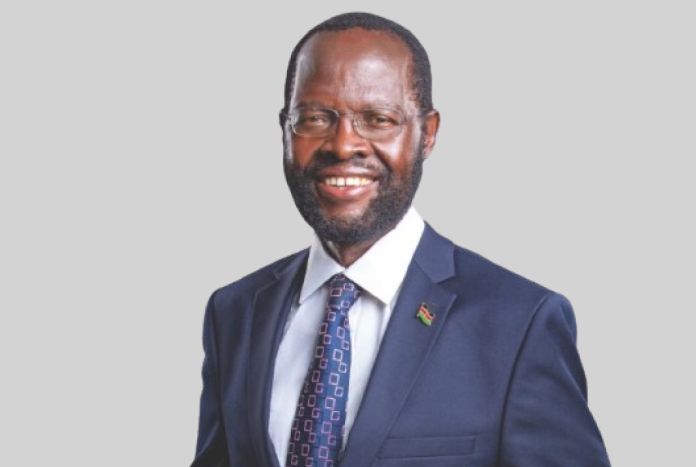
The Migori County Government has intensified its efforts to combat gender-based violence (GBV), femicide, and female genital mutilation (FGM) in the region, focusing on addressing the persistent challenges in the Kuria sub-counties. This commitment was announced during a press briefing by Prof. Rose Ogwang Odhiambo, the Chief Officer for Gender and Inclusivity, who reaffirmed the county’s resolve to eliminate these harmful practices.

Speaking at the event, Prof. Odhiambo commended President William Ruto’s leadership in addressing these issues. She praised the recent allocation of Ksh. 100 million for initiatives against GBV, femicide, and FGM as part of the national government’s 16 Days of Activism.

“These vices not only violate fundamental human rights but also undermine the foundation of our communities and the well-being of our people,” Prof. Odhiambo said.

The county government is enhancing collaborations with national institutions, law enforcement agencies, local leaders, civil society organisations, and the Judiciary to ensure robust prevention, response, and support systems are implemented.

In the Kuria sub-counties, FGM remains a particularly critical concern. Prof. Odhiambo emphasised that such harmful practices cause profound physical and psychological trauma to women and girls, stripping them of their dignity and potential.

“To our communities, we reiterate: femicide has no place in Kenya. FGM has no place in Kenya. These practices must end, and perpetrators must be held accountable,” she asserted.

The Chief Officer also raised concerns about the growing dangers posed by harmful interactions on social media platforms, urging parents and guardians to play an active role in guiding and protecting young people. She encouraged families to maintain open communication and remain vigilant about their children’s safety and well-being.

The Migori County Government has committed to implementing policies and programmes aimed at tackling these issues comprehensively. Prof. Odhiambo called on residents to unite to safeguard women, children, and other vulnerable groups.

“Let us come together as a society to protect our women, children, and vulnerable populations. Together, we can create a future where every person lives free from violence, discrimination, and fear,” she concluded.

This renewed dedication marks a significant step forward in Migori County’s campaign to eradicate GBV, femicide, and FGM, ensuring justice for victims and a safer, more equitable future for all.

Rise in Child sexual abuse and exploitation in Kisumu as City Manager want police to enforce ban on AirBnBs

0
Kisumu

By Anderson Ojwang

Kisumu is emerging as a hotspot for various forms of child sexual abuse and exploitation, with growing concerns about the escalating number of incidents.

Investigations by Western Insight Newspaper revealed that in Kisumu Central Sub-county alone, 86 cases have been reported this year, with the actual number of unreported cases believed to be significantly higher. Similar cases are also on the rise in other sub-counties across the county.

The investigation identified Lolwe, Milimani, Nyamasaria, and Dunga estates as hotspots for rampant child sexual exploitation. A section of prominent personalities, businesspeople, and politicians are alleged to be involved in these activities, reportedly using their wealth and influence to evade justice when such cases are reported to the authorities.

These estates have a high concentration of AirBnB facilities, which have been identified as sites where such crimes are committed, often going unnoticed and unpunished.

Acting Kisumu City Manager, Mr Abala Wanga, confirmed the prevalence of the vice, attributing its rise partly to unregulated AirBnB operations in the city. “I banned the business of AirBnBs and wanted them registered afresh. But the provincial administration is not helping much in cracking down on this vice. We must close, control, and regulate these AirBnB businesses to protect our children from sexual exploitation,” he said.

Mr Wanga expressed his commitment to tackling the issue and called on members of the public and the provincial administration to support efforts to curb the increasing child sexual exploitation associated with AirBnBs in Kisumu. He noted that many AirBnBs were being used by criminals as safe havens.

The investigation also revealed that both physical and online sexual abuse and exploitation of children are rampant in the city and on the rise.

Child protection organisations in the region disclosed that online child sexual live streaming has become a booming business in Kisumu, with perpetrators targeting vulnerable children using cheap inducements.

“Some of these people give their victims Sh2,000 for nude photos, while others are given freebies, phones, or taken on treats after exposing themselves in live-streamed shows beamed to potential clients in Europe and other parts of the world,” a source confided.

The organisations noted that the business is so lucrative that perpetrators often use children to recruit and groom others into the practice.

Most of the victims are from the slums of Obunga, Nyalenda, and Manyatta, as well as middle-class areas such as Migosi, Mamboleo, and Tom Mboya.

“When children come forward to complain, they are often blackmailed, which can lead to depression, suicidal thoughts, or withdrawal. The police demand hard evidence, and it’s becoming difficult to rely solely on the children’s word. This makes obtaining justice extremely challenging,” another source explained, requesting anonymity for security reasons.

The investigation also found that children’s homes and street children have become primary targets for sexual exploitation. In one case, a Kisumu businessman allegedly sexually exploits street children whom he employs in his premises.

“These children told us that after work, they watch pornographic content with their master on his laptop, and he then sexually abuses them. This has become a common routine,” revealed a source.

Additionally, some clubs in Kisumu have reportedly become dens for child sexual exploitation, a practice that appears to be growing.

Kisumu Deputy Governor Dr Mathews Owili condemned the situation and pledged action. “This is a sad situation that must be contained. We cannot allow this to go on unchecked. We are going to do something, definitely,” he said.

Elders want cultural centres built in Nyanza counties to preserve heritage

0
Cultural heritage

By reporter

The Luo Council of Elders has called on Siaya, Kisumu, Homa Bay, and Migori counties to build cultural centres across Luo land, a significant step towards preserving and promoting the community’s rich heritage and traditions.

These centres will serve as crucial spaces for educating future generations about Luo customs, language, art, and history, ensuring that their cultural identity is maintained and celebrated despite modern influences.

According to Deputy Ker Luo, James Ayaga, these centres will perform several key functions as determined by the Elders’ Council.

“We want cultural education centres offering programmes and workshops on Luo history, music, dance, crafts, and oral traditions,” Ayaga said.

He added that the centres would provide a platform for Luo artists to showcase their works and preserve traditional art forms.

“We envisage promoting the use of the Luo language through language classes, storytelling sessions, and literature,” Ayaga stated.

Ayaga was speaking at West Uyoma Ward, where he hosted Kisumu Deputy Governor Mathews Owili to plan the Piny Luo Cultural Festival, scheduled for the end of this year at the Got Ramogi Cultural Shrine in Siaya County.

The elders noted that these centres would also facilitate tourism and cultural exchange programmes.

Ayaga explained that they aim for the centres to become destinations for tourists interested in learning about the Luo culture while fostering cultural exchanges with other communities.

Owili agreed, stating that by centralising efforts in each county, these cultural centres could promote a deeper sense of pride and unity within the Luo community while also contributing to the broader national cultural landscape.

The project, he added, would create opportunities for local employment and foster collaboration with cultural institutions and educational bodies.

Owili said, “We are organising, and plans are at an advanced stage, to host the Piny Luo Cultural Festival at the end of this year.”

All Luos from East Africa are invited to the event, which will also be attended by governors, MPs, senators, and MCAs. The festival, to be graced by cultural patron Raila Odinga, will run for three days from 30 December 2024 to 1 January 2025.

The County Government of Homa Bay launches its service charter to enhance service delivery

0
Homa Bay launches its service charter

By Reporter

The Homa Bay County Government has launched its service charter with the aim of improving governance and enhancing the delivery of services to residents.

The County Executive Member for Governance and Devolution, Mercy Osewe, stated that the charter represents the county’s new commitments to the people of Homa Bay.

During the launch, the Homa Bay Government, through Osewe, signed a Memorandum of Understanding (MoU) with residents, facilitated by the Uraia Trust organisation.

Osewe emphasised the county government’s commitment to delivering services with efficiency, transparency, and accountability. She explained that the charter establishes measurable standards to guarantee effective and timely service delivery.

The charter includes a Public Participation component, where the county government has pledged to promote and facilitate citizen engagement in county activities and governance processes.

The Access to Information section of the charter outlines a framework to strengthen citizens’ access to information, thereby increasing transparency and awareness of county activities.

Other agreements under the signed MoUs include Policy and Legislative Development, Social Accountability, Knowledge Sharing, Technical Support, and Linking Civil Society with Government, among others.

Osewe highlighted that the charter would amplify citizens’ participation by embedding their priorities into county policies and programmes. “Homa Bay Government has now laid a foundation for a governance framework where people are both the centre and the drivers of development. We have formalised our partnership with Uraia Trust to strengthen our social accountability,” Osewe said.

Speaking during the MoU signing in Homa Bay Town, Osewe stressed that the collaboration was not only about adopting best practices but also creating a meaningful platform where residents can contribute to decision-making processes.

Present at the event were County Secretary Bernard Muok, Uraia Trust Director Oliver Waindi, and County Attorney Frederick Orego.

“My department will champion the implementation of the charter and foster a culture of accountability across all levels of government. Monitoring and evaluation will remain our key priority to ensure delivery on promises and to achieve the desired impact,” Osewe added.

Waindi encouraged Homa Bay residents to use the charter as a tool for engagement, advocacy, and collaboration, holding the county government accountable.

The director urged residents to focus on public participation, stating, “It is the only way we can build a responsive, efficient, and inclusive society.”

“We all have a role to play to realise a shared vision for Homa Bay County. We must uphold the principles outlined in the charter to build a county that delivers on its promises to its people,” Waindi said.

Muok described the launch of the charter as a milestone that defines what the residents expect from their county government.

“The launch of the service delivery charter demonstrates a transparent path in governance that the Homa Bay Government has decided to take. The charter makes Homa Bay a unique county because it allows both residents and the government to track projects delivered. We will know what has been achieved and what remains outstanding within a specified period of time,” Muok explained.

Wanga puts MCAS to the test with nomination of Julius Gaya as CEC

0
Homa Bay Speaker Julius Gaya
Former Homa Bay Speaker Julius Gaya

By Team

A game of musical chairs is emerging in Homa Bay County with the nomination of the immediate former Speaker, Julius Gaya, as County Executive Committee (CEC) Member for Trade, Tourism, Industry, Cooperative Development, and Marketing.

This follows Polycarp Okombo’s resignation and subsequent election as the fifth Speaker of the County Assembly of Homa Bay.

Gaya was forced to resign after 53 Members of the County Assembly (MCAs) appended their signatures supporting his impeachment.

Now, the MCAs must contend with vetting their immediate former Speaker, either offering him a political lifeline or sending him back to the drawing board.

Both Gaya and Okombo hail from Central Ward in Karachuonyo and are close neighbours in the village.

Recently, Gaya was summoned by the Ethics and Anti-Corruption Commission (EACC), which is investigating his academic credentials. Gaya has appeared twice before the EACC Southern Nyanza office for interrogation regarding his papers, though the commission’s report is yet to be released.

In a press release, the Chief Officer of Public Communication, Mrs Atieno Otieno, stated that Governor Gladys Wanga had nominated Gaya as the CEC for Trade. “I wish to announce the nomination of Julius Gaya as CEC for Trade, Industry, Tourism, Cooperative Development, and Marketing. This follows the resignation of CEC Polycarp Okombo, who has been elected as the Speaker of the Assembly. Julius Gaya is an experienced leader with extensive expertise in leadership and governance,” said Wanga.

Wanga added that the nomination had been forwarded to the Assembly for action.

Before Gaya’s resignation, the Governor held a critical meeting with the MCAs, attempting to persuade them to abandon the impeachment motion, but they declined.

Sources told Western Insight Newspaper that after the failed intervention, Gaya had no choice but to resign.

Okombo was elected Speaker during Thursday’s session, resoundingly winning with a majority vote against his three opponents.

Gaya fell out with the MCAs over allegations of high-handedness and failure to pay their allowances, among other grievances.

Gaya played a pivotal role in Wanga’s gubernatorial campaign during the 2022 elections and was promised the Speaker’s position. He is considered a close ally and confidant of Wanga and was seen as one of her most loyal supporters in the Assembly.

During Okombo’s tenure, he presided over the launch and official opening of the now-defunct Kigoto Maize Mill. The proposed leasing of the mill was halted by the Homa Bay court after a contractor challenged the leasing process, citing unpaid fees of Ksh 6 million owed by the County.

CEC Polycarp Okombo to fight it out with three others for speaker seat

0
CEC Polycarp Okombo
CEC Polycarp Okombo

By Habil Onyango

Four candidates have been shortlisted for tomorrow (Thursday) Speaker election for Homa Bay County Assembly.

Among the four is the County Executive Committee Member for Trade, Mr Polycap Okombo, who is seen as the government’s preferred candidate.

Others are Dozzel Tennor Orwa, Boniface Onyango Owino, and Innocent Masara Otieno.

The seat fell vacant after the resignation of Julius Gaya.

The seat had initially attracted 13 applicants; however, only four were shortlisted for the final exercise.

The four were shortlisted after returning their nomination application forms on time.

According to an advertisement in one of the dailies dated 14 November 2024, completed nomination papers with detailed curriculum vitae of the candidates were to be submitted to the Office of the Clerk at the County Assembly Building at least 48 hours before the House sitting, and not later than 9:30 am on 19 November 2024. These submissions were to be accompanied by the names and signatures of at least two Members of the County Assembly who supported the candidate, along with a declaration by them that the candidate was qualified and willing to serve as Speaker of the County Assembly.

According to communication from the Assembly’s Clerk’s Office, the seat had also attracted other aspirants, including Jairus Owino Ogondi, Polycarp Rachuonyo, Ojijo Zachayo Ogola, Shem Onyango, David Ronald Ngala, Apolo John, Thomas Otieno, Julius Otieno Juma, and Ezra Odondi Owino, who failed to submit their nomination forms.

The County Acting Clerk, Hannington Ochieng Day, stated that the elections would commence on Thursday at 9:30 am at the Assembly premises. “The election of the Speaker is slated for Thursday, 21 November 2024, from 9:30 am during a special sitting. This is in accordance with the provisions of Article 178 (1) of the Constitution of Kenya, 2010, and the Homa Bay Assembly Standing Orders,” reads the communication.

Mr Okombo, who currently serves as the County Executive Member for Trade and Investments, may have an upper hand due to support from the County Executives, led by Governor Gladys Wanga.

Gaya resigned from the Speaker’s position amid a censure motion by Members of the County Assembly. Once elected, the incoming Speaker will be the fifth one after the first Speaker, Samwel Ochillo, followed by Elizabeth See, Bob Kephas, and finally, Gaya since the onset of devolution.

It is, however, not clear why Gaya had to be impeached, as no impeachment motion has yet been made available to the public. Upon his resignation, Gaya expressed his gratitude for the opportunity to serve the House as the third Speaker, having been elected on 21 September 2022.

Gaya had previously served as the Central Karachuonyo MCA for two terms under the tenure of former County Governor Cyprian Awiti before being elected Speaker. He dropped his third quest for the Central Karachuonyo MCA position in support of the election of the current Governor, Gladys Wanga, and was subsequently rewarded with the Speaker’s seat.

According to Majority Leader Richard Ogindo, out of the 54 Members of the County Assembly, a majority of 53 had already signed the petition supporting Gaya’s impeachment motion. “On behalf of all members, I would like to appreciate our former Speaker, Hon Julius Gaya, for the brave move he has undertaken by handing in his resignation letter,” said Ogindo. “Out of 54 members, only one member was against the petition to remove him from office. By deciding to resign, he made the best move before this House could table the impeachment motion against him,” added the Majority Leader.

Gaya took over from former Speaker Elizabeth See. After defeating his archrival, the former Gwassi North MCA Evance Marieba, he was elected as Speaker, garnering 40 votes out of a possible 54.

Ends…

Homa Bay to Hold National Conference on Dignity: A United Front Against the “Triple Threats”

0
homa bay confence on dignity

By Habil Onyango

Homa Bay County has always faced challenges regarding the triple threat, and it is one of the country’s leading counties in tackling this menace.
The County Government of Homa Bay has, however, been implementing combative measures to ensure that teenage pregnancies, gender-based violence, and the spread of HIV and AIDS among teenagers become a thing of the past.

A recent study reveals that HIV rates among young people have begun to rise once again, driven by a decrease in condom use and a lack of sexual education. In Homa Bay County, the HIV prevalence rate remains one of the highest in the country at 15.2 per cent.

To help tackle this, partners from different sectors have organised a three-day conference in Homa Bay dubbed “The 1st National Conference on Dignity” to stimulate discussions on topics related to the triple threat. Governor Gladys Wanga will grace the event.

Suba North MP Millie Odhiambo and other dignitaries, including a representative from the Office of the President, are also expected to attend the conference.

According to Eunice Owino of the Centre for Women Empowerment Technology (CWE-TECH), the conference will also focus on social work, counselling, law enforcement, public policy, psychiatry, and activism.
“Dignity Kenya is an inaugural national conference that honours dignity and resistance to all forms of violence. It brings together local and national partners with a primary interest in addressing violence in all its forms, upholding the unending desire for dignity and justice, and building a community with a common purpose,” said Owino.

The conference also aims to address the intersectionality of violence and poverty while restoring dignity through a multi-sectoral approach.

Owino said they will involve prosecutors, advocates, healthcare providers, judges, faith leaders, educators, and researchers, among others, to highlight promising practices and emerging issues to effectively respond to human rights violations.

Other partners include the Co-operation Arena for Sustainable Development in Africa (CASDA) and “Power for the People (PFP): Handshake, Not Handouts.”

“Our main objective is to improve social responses to the triple threat and all forms of violence and oppression, particularly gender-based violence,” said Owino, one of the organisers.

“We want to explore human service work, anti-violence strategies, decolonisation practices, and the importance of language from a response-based perspective,” she said.

“Our focus is on honouring resistance and resilience in various communities affected by violence and injustice while fostering collaboration and networking among participants to strengthen collective efforts towards promoting dignity, combating violence, and ending poverty,” she added.

“The conference creates a foundation for developing knowledge and practices to provide and promote socially just and effective responses to violence and other forms of oppression and adversity,” she noted.

She said this would be achieved through direct counselling services, education, research, supervision and advocacy, social work, law enforcement, public policy, psychiatry, and activism.

Owino added that issues regarding men’s violence against girls, women, and children, as well as empowering survivors and marginalised communities, will also be discussed.

“We will also tackle youth resistance and community engagement, sexual violence, pornography, resistance in women’s shelters, and developing and advocating for action plans in response to social, gender-based, and oppressive violence,” she revealed.

“We have invited government officials and policymakers, NGOs and civil societies, academics and researchers, community leaders, health and social service providers, legal practitioners, youth and student leaders, international development partners, donors, and the general public,” she said.

The event will take place at Mbita Tourist Hotel from 4 to 6 December 2024.

Ends.

Homa Bay speaker’s election is scheduled for this Thursday as lobbying intensifies

0
Gladys Wanga

By Habil Onyango

The scramble and lobbying for the vacant position of Homa Bay Speaker’s seat has begun in earnest, with two lawyers expressing interest.

Sources have also intimated to Western Insight that a County Executive Committee (CEC) member is said to be interested in the seat and is viewed as the ideal candidate for the county government. Several high-profile meetings have been held to map out strategies for the next Speaker, with the CEC reportedly enjoying the support of a majority of top government officers in the county.

Those who have already declared interest include Nairobi advocate Ngala Odhoch and former Head of Protocol for the immediate former Governor Cyprian Awiti, Mr Apollo.

The seat fell vacant following the resignation of Speaker Julius Gaya to avoid impeachment by members of the County Assembly.

The main contest will pit High Court advocate Ngala Odhoch, popularly known as “Tsunami”, against the former Chief of Protocol in the office of the former Homa Bay Governor Cyprian Awiti, Mr John Apollo.

Ngala and Apollo are no strangers to the political arena, having vied for the Karachuonyo and Suba South parliamentary seats, respectively. Apollo also tried his luck in the Homa Bay Assembly Speaker’s race in 2022 but lost to the second Speaker, Elizabeth See, in a hotly contested election, falling short by just one vote.

The seat has already been declared vacant, and a fresh election is scheduled for this Thursday, 21 November 2024. Gaya, who served as the third Speaker of the Assembly, tendered his resignation to the Assembly Acting Clerk, Hannington Abeka Day.

“It is notified for the information of the general public, that under the provisions of Section 21(5)(d) of the Elections Act 2011, Section 11(1)(d) of the County Governments Act, 2012, and Standing Order No. 4 of the Homa Bay County Assembly Standing Orders, the Office of the Speaker became vacant on Tuesday, 12th November 2024. Subsequently, the House shall sit on Thursday, 21st November 2024, from 9:30 am to elect a new Speaker,” reads an advert in one of the dailies.

The two candidates have already picked their nomination papers from the Office of the Assembly Clerk.

Ngala, who is serving his 24th year as an advocate of the High Court of Kenya, is currently a Master’s degree student in Constitutional Law at the University of Nairobi. According to Ngala, he plans to inject decision-making by consensus, democracy, and consultations with members of the Assembly.
“The welfare of the members of the Assembly and the delivery of quality and quantity services to the people of Homa Bay County must take precedence,” he said.

Apollo takes pride in his service as Attorney General, Chief of Staff during Awiti’s tenure in Homa Bay, and as the Director of Protocol for the Lake Region Economic Bloc Secretariat (LREB). He holds an LLB in Law and a Master’s in Protocol and Diplomacy from the International School of Protocol and Diplomacy (ISPD) in Brussels, Belgium.

He is also a certified protocol and etiquette expert from the Protocol School of Washington, D.C., USA, and has completed a Senior Management Course (SMC) as well as a Legislative Drafting Course at the Kenya School of Government.

From a pariah to a hero in the Mountain, the changing fortunes of Rigathi

0
Former President Uhuru Kenyatta and President William Ruto

By Anderson Ojwang

Impeached Deputy President Rigathi Gachagua became a national political outcast and villain. He lost all trappings of power and is constitutionally barred from holding public office.
But back in Murima, the Mountain, Rigathi has emerged as a hero, the new sheriff, and the determinant of the political course of the region.

Even with the appointment of Deputy President Prof. Abraham Kithure Kindiki as the successor and checkmate to Rigathi in the Mt Kenya region, the change on the litmus paper has been negligible.

Last Saturday, the political chemical test on the litmus paper and subsequent reactions were anticipated because, for the first time, President William Ruto, immediate former President Uhuru Kenyatta, Deputy President Kithure Kindiki, and the impeached Rigathi Gachagua met in Embu County.

Former President Uhuru has been out of the country for several months and has not attended any public functions, while President Ruto and his impeached former deputy have not met in public since the new incumbent assumed office.

This was during the episcopal ordination and installation of Rev. Peter Kimani as the fourth Bishop of the Catholic Diocese of Embu at the University of Embu grounds.

The event, a holy one meant for the installation of Bishop Peter Kimani, came hot on the heels of a statement by the Catholic Church criticising President Ruto over various issues affecting his government, ranging from abductions and corruption to the high cost of living.

The statement by Catholic Bishops stirred a flurry of political reactions from Ruto and his allies, who castigated the Church, saying they should be factual and careful lest they become victims of the accusations they had labelled against his administration.

President Ruto, speaking at a graduation ceremony at Tangaza University on Friday, 15 November, urged the clergy to ensure their statements were factual to avoid misleading the public.
“I urge all leaders, including the clergy, to work together toward building a nation we can all be proud of. Even as we discuss important national issues, we must remain factual to avoid falling into the same traps we accuse others of,” he said.

But in Embu, the mood on the ground was different. The dignitaries’ arrival and departure were marked by contrasting receptions, with some receiving backlash and others getting a rousing welcome.

For President Ruto, it was a wake-up call that his political backyard, Mt Kenya, was slipping away from his tight grip to his immediate predecessor and the impeached Deputy. Even the appointment of Kithure has minimally neutralised the expanding influence of Rigathi, who is fast becoming the de facto leader in the region.

Interestingly, on Saturday, President Ruto did not greet his former deputy Rigathi when the two met in public.

The failure of Dr Ruto and Mr Gachagua to greet each other was a clear demonstration of their continuing political differences. Mr Kenyatta, on the other hand, arrived shortly after the Head of State and received a standing ovation from the congregation and leaders present. He later shook hands with Dr Ruto and Prof. Kindiki.

Worshippers loudly cheered Mr Kenyatta as he made his way to the front seats, temporarily disrupting the ceremony. This necessitated the intervention of Archbishop Anthony Muheria, who reminded the worshippers that they were in a church service and should maintain silence.

For Rigathi, he entered the muddy venue and chose to sit in the front row of the congregation, where he watched the proceedings. In his company were the impeached former Kiambu Governor Ferdinand Waititu and Githunguri MP Gathoni Wa Muchomba. He was wildly cheered as he made his way in and out of the venue, reflecting his popular public approval in the Mountain.

In Mathira Constituency, Rigathi’s homeland, the residents have so far collected thousands of signatures with a view to recalling their MP, Eric Wamumbi, over what they termed as betrayal.

They accused the MP of voting in favour of Rigathi’s impeachment, a move they claim was made without their support. They also allege that Wamumbi has misused public funds, neglecting development in the constituency since taking office.

In the neighbouring Nyeri Town constituency, MP Duncan Maina recently faced hostility from residents, who chased him away, claiming he was a “traitor” for supporting the impeachment motion against Rigathi.

Political Analyst Mr Martin Andati says Mt Kenya abandoned President Ruto a long time ago and any political overtures to the Mountain will yield minimal gain.

He says Rigathi started by playing politics of rebellion that endeared him to the Mountain, and he became their spokesperson through his position in the government and Uhuru’s retirement.
“From rebellion politics, Rigathi moved to whip the emotions of the Mountain by playing victim, and he has swayed public sentiment. The majority of the Mountain are now with him. He is the de facto leader of Murima. Give it to him,” he says.

Martin says it was hoped that through the appointment of Kithure, the Mountain could be split between West and East. However, based on Saturday’s events in Embu, it is clear that it is more galvanised than before.
“The reaction in Embu, Kithure’s backyard, left President Ruto with much to reflect on. The appointment of his deputy will have minimal political gain in his 2027 presidential elections. The vote bloc is gone, and it is high time he looked elsewhere,” he says.

William Ruto’s Legacy Projects: Building Dreams, Perfecting Ambitions

0
Junior Secondary Schools

By Billy Mijungu

As President William Ruto approaches the mid-point of his term, the canvas of his legacy is being painted with ambitious strokes, each project aiming to reshape Kenya’s socio-economic landscape. His efforts have sparked praise and criticism in equal measure, yet they remain undeniably transformative. From affordable housing to agricultural reform, Ruto’s agenda is bold, but the real test lies in perfecting the foundation he has laid.


Affordable Housing: Homes for the People

The affordable housing initiative, a cornerstone of Ruto’s presidency, shows early success. House prices are stabilising, reflecting increased supply and competitive market dynamics. Employment in construction and related industries is climbing, fueling optimism. However, the spectre of land hoarding by brokers looms large, stalling momentum. The government must tackle this challenge by enforcing stringent land-use policies and incentivising landowners to release plots for development.

To sustain this revolution, the mortgage sector must expand rapidly. With projections of 500,000 to a million mortgages in the coming years, financial institutions need robust frameworks to accommodate new borrowers. The ripple effect on economic stability—already supported by an inflation rate of 2.7%, the lowest in 30 years—will be profound.


Health Reforms: A New Dawn for Universal Coverage

The transition from NHIF to SHIF under the State Health Authority (SHA) is groundbreaking. By pooling contributions and channelling them into public health facilities, the government is reshaping healthcare delivery. However, to realize its full potential, Ruto must take bold steps: integrate all state officers into the SHIF system and suspend private medical insurance schemes funded by public budgets. This would centralize resources, reduce administrative costs, and ensure equity in service delivery.


Agriculture: Beyond Subsidies

Agriculture remains the backbone of Kenya’s economy, and Ruto’s subsidies on fertilizers are a step in the right direction. However, the sector needs more than subsidies. Mechanization, technology integration, and value addition through cottage industries are the keys to unlocking its potential. These efforts would not only bolster food security but also employ Kenya’s youth, who comprise 80% of the population.

Water provision—both for households and industrial agriculture—must be a priority. Without addressing irrigation challenges, Kenya’s agricultural renaissance will remain incomplete.


Education: Back to Basics

The president’s attention must turn to education, the bedrock of the nation’s future. Early childhood and primary school infrastructure require urgent investment. The commercialization of education has eroded public trust, and reclaiming it will demand raising standards in public schools.

Junior secondary schools, introduced under the Competency-Based Curriculum (CBC), need clear leadership. Appointing substantive principals for these schools is non-negotiable. Structural reforms and adequate funding are essential for a sustainable education system.


Transport: Connecting the Nation

Kenya’s transport sector is a mixed bag of success and neglect. While the Standard Gauge Railway (SGR) and major highways have transformed inter-county connectivity, urban transport is in disarray. Nairobi’s traffic chaos, unreliable public transport, and underutilized water and air transport systems demand urgent attention. Revamping urban transit with mass rapid systems, cleaner energy buses, and smart infrastructure will redefine city living.


Economic Stability: A Debt-Free Future

Kenya’s local debt crisis is a ticking time bomb. With public debt nearing KSh 10 trillion—5 trillion of which is local—Ruto’s administration must prioritize repayment to ease the strain on local businesses. The competition between the government and private sector for credit has stifled entrepreneurship, leaving banks reluctant to lend to small businesses. Setting strict borrowing limits and incentivizing banks to support businesses will reignite job creation and economic growth.


A Vision for Posterity

President Ruto has made significant strides in shaping Kenya’s future. However, ambition without precision risks faltering. Addressing bottlenecks, refining policies, and ensuring inclusivity will cement his legacy. The housing, health, agriculture, and education sectors hold immense promise—but they require relentless focus.

As Kenya moves forward, Ruto must listen, adapt, and lead with courage. The dreams he builds today will become the realities future generations inherit. Let this be a legacy of equity, opportunity, and progress.


The author is a political analyst and commentator on Kenyan politics and a 2022 Senate Candidate for Migori County.
Facebook | X | Instagram | TikTok | LinkedIn
@BillyMijungu
#Forward #TusongeMbele