
By Billy Mijungu
Migori’s urban future will not be shaped by chance—it must be engineered through deliberate, structured regeneration.
A practical pathway already exists: a legally anchored, renewable three-year framework contract for town regeneration, backed by ring-fenced budgets. This is not an abstract idea—it is a governance decision.
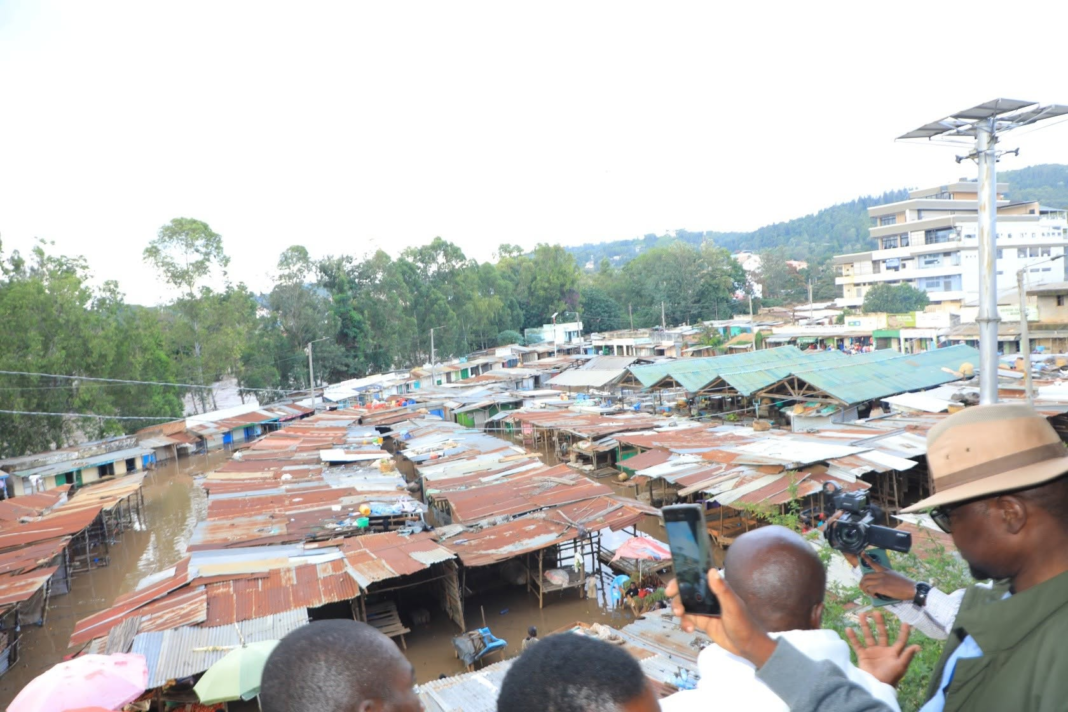
The program should deliver continuous tarmacking of town streets, modern drainage systems, coloured cabro walkways, and clearly defined lanes for pedestrians, cyclists, and motorcycles. Complemented by solar-powered street lighting and integrated CCTV systems, these interventions will restore order, enhance safety, and create an environment where enterprise can thrive.
Critically, implementation must be devolved further to empowered town-level leadership—through legally recognized offices such as a Mayor or Town Chairman—supported by a lean but highly accountable technical secretariat. This structure ensures decisions are local, execution is faster, and accountability is visible. Coordination with ward and constituency administrators will anchor the program at the grassroots.

Urban order is not cosmetic—it is economic infrastructure. Well-organized towns attract investment, formalize businesses, and expand the tax base without increasing tax rates. Through structured public-private partnerships, waste management becomes efficient, compliance improves, and municipalities generate more revenue from the same economic activity.
This transformation does not demand new money—it demands discipline in how current resources are planned and deployed. Reprioritization, not expansion of budgets, is the key.
Beyond physical infrastructure, regeneration must integrate knowledge infrastructure: public libraries, technology hubs, and prior learning certification centres to uplift artisans and the informal sector. Standardizing vocational and informal learning spaces will further unlock productivity and dignity of work.

The choice before Migori is clear: planned growth or unmanaged expansion. One creates opportunity; the other entrenches inefficiency.
Regeneration is not optional—it is foundational. Towns do not fix themselves. They are built, managed, and sustained through leadership that treats responsibility as duty, not privilege.
Migori can—and must—become orderly, competitive, and forward-looking. The time to act is now.