
By Sammy Weya
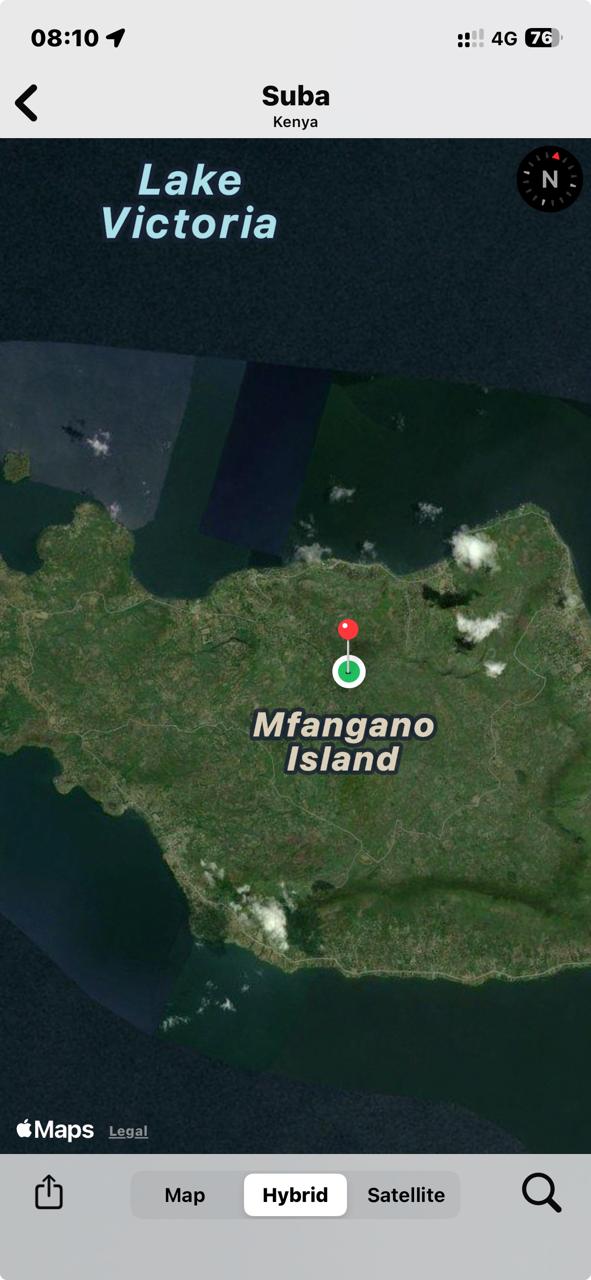
A critical and comprehensive study on Mfangano Island in Suba North, Homa Bay County, has revealed glaring gaps in infrastructural development and multiple crises in the area.
The field study focused on: education (boarding and day schools), infrastructure, social welfare, governance, and environmental conditions.
Introduction
This report documents observations made during a four-day field visit to Mfangano Island, undertaken to assess the state of public schools—both boarding and day institutions—as well as broader socio-economic, governance, and infrastructure conditions. The findings reveal a community facing deep systemic neglect, characterised by failed infrastructure projects, widespread social vulnerability, weak governance, environmental degradation, and severe exploitation within public education.
The situation on the island represents not isolated challenges, but a convergence of governance failure and social injustice that demands urgent, coordinated intervention.
Infrastructure and Public Investment Failures
Ring Road Project
The island ring road, reportedly funded with millions of public shillings, has been constructed in a shoddy and unsafe manner.
Multiple sections are incomplete, while incorrectly installed or undersized culverts at stream crossings have created erosion risks and rendered some sections impassable during rains.
The project reflects poor supervision, weak accountability, and likely misappropriation of public funds.
Abandoned Airstrip
The island airstrip—critical for tourism, medical emergencies, and disaster evacuation—has been abandoned for over 20 years.
This has left residents isolated, especially during medical emergencies, contributing to preventable loss of life.
Education Crisis on the Island
Rampant School Dropouts and Teenage Pregnancy
High dropout rates were observed, especially among girls.
• Teenage pregnancies are widespread.
• Girls are extremely vulnerable, with reports of:
• Exchanging sex for sanitary pads
• Engaging in exploitative relationships for boda boda transport to distant schools
These realities point to poverty-driven exploitation, not moral failure.
Public Schools Under Siege: Illegal Fees and Exploitation
Despite public education being a constitutional right in Kenya, public schools on the island are systematically exploiting parents through illegal financial practices.
Illegal Photocopy (Ream) Charges
• Parents are forced to pay KShs. 850 per term for photocopy paper.
• Charges are:
• Unapproved
• Often unreceipted
• Absent from official school accounts
• Parents cannot verify whether materials are ever purchased.
Unregulated Remedial and Extra Tuition Fees
• Schools impose KShs. 1,000–4,000 per term.
• Payments are demanded:
• In cash, or
• Via personal M-Pesa numbers of teachers or administrators
• This practice:
• Violates Ministry of Education policy
• Commercialises public education
• Punishes children from poor households
Examination Materials Extortion
• Candidates are charged up to KShs. 6,500 for “exam materials”.
• No cost breakdowns or accountability mechanisms exist.
• Parents are coerced through fear that children will be disadvantaged if they fail to pay.
Fake or Inflated Development Projects
• Parents are forced to fund projects that are:
• Non-existent
• Exaggerated
• Poorly explained
• Funds often bypass official school accounts and are sent to personal M-Pesa numbers.
• Parents who question these practices face intimidation.
Denial of Education as Punishment
Children are routinely:
• Sent home
• Barred from classes
• Denied access to school compounds
This amounts to holding children hostage to enforce illegal payments and directly violates the constitutional right to basic education.
Security, Governance, and Social Breakdown
Weak Security and Abuse of Authority
• Chiefs and police reportedly demand transport money or bribes.
• Criminal elements operate with impunity.
• Young girls are reportedly raped and abused, with little or no justice.
Gender and Economic Inequality
• Economic activity beyond fishing is minimal.
• Fishing is male-dominated.
• Women shoulder most:
• Casual labour
• Domestic work
• Many men are unemployed, worsening household vulnerability.
Health and Environmental Concerns
Limited Access to Healthcare
• Health facilities are few, under-resourced, and difficult to reach.
• Emergency referrals are severely constrained due to transport limitations.
Environmental Degradation
• Rampant tree cutting and deforestation are occurring at an alarming rate.
• There is little enforcement of environmental protection laws.
• Long-term ecological damage threatens livelihoods and climate resilience.
Leadership Vacuum and Public Disillusionment
Residents consistently reported that:
• The MCA and County Government have abandoned the island.
• Repeated appeals have gone unanswered.
• There is a deep sense of betrayal, exclusion, and hopelessness.
Why This Is a National Crisis
The situation on Mfangano Island illustrates:
• Normalisation of corruption
• Criminalisation of poverty
• Moral decay within public institutions
• Early indoctrination of children into systems of injustice
If left unaddressed, this environment will continue producing:
• School dropouts
• Exploited girls
• Disillusioned youth
• Communities disconnected from the state
Recommendations and Proposed Solutions
Education and Financial Accountability
- Mandatory Independent Audits
• Annual audits for all public schools
• Oversight by the Ethics and Anti-Corruption Commission (EACC) - Total Ban on Cash and Personal M-Pesa Payments
• All payments through official school bank accounts
• Criminal sanctions for violations - Public Disclosure of Approved Fees
• Fee structures displayed at school gates
• Dissemination via radio, social media, and community forums - Strengthening Boards of Management (BoMs)
• Governance training
• Term limits
• Legal accountability - Whistle-blower Protection
• Anonymous reporting mechanisms
• Legal protection for parents and teachers
Social Protection and Gender Interventions
• Provision of free sanitary towels in schools
• Safe and subsidised school transport
• Comprehensive sexuality education
• Safe houses and trauma support for survivors of abuse
Infrastructure and Economic Development
• Independent forensic audit of the ring road project
• Rehabilitation of the island airstrip
• Investment in women-led enterprises
• Diversification of economic activities beyond fishing
Security and Governance
• Deployment of adequately resourced police units
• Disciplinary action against corrupt officials
• Regular county oversight visits
• Restoration of public trust through visible leadership presence
Conclusion
What is unfolding on Mfangano Island is not mere underdevelopment; it is systemic neglect. Illegal school fees, exploitation of children, infrastructure decay, environmental destruction, and leadership failure have combined to produce a humanitarian and governance crisis.
Public education must never become a tool of extortion. Public office must never be a licence to abandon citizens. Immediate, decisive action is required—not as charity, but as a constitutional obligation.
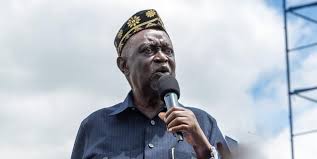
The writer is a former Alego MP and businessman.