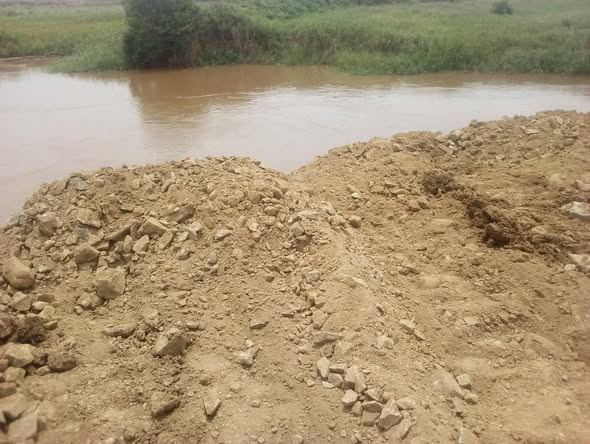

By Hon Sammy Weya
The story of Yala Swamp is no longer just about agriculture. It is now about power, governance, environmental destruction, public accountability, and the future of one of Kenya’s most important wetlands.
What began as a rice and fish farming project under Dominion Farms has gradually transformed into a controversial sugarcane expansion under Lake Agro Limited — a transition surrounded by serious questions about legality, transparency, environmental compliance, and public participation.
A Wetland of National Importance
Yala Swamp, located along the shores of Lake Victoria in Siaya County, is one of Kenya’s largest freshwater wetlands. The swamp supports biodiversity, regulates flooding, acts as a fish breeding ground, and sustains thousands of livelihoods through fishing, rice farming, grazing, and papyrus harvesting.
Over the years, several internationally recognized studies warned against converting the wetland into large-scale sugarcane plantations.
Feasibility and environmental studies conducted or supported by organizations including:
- USAID
- World Resources Institute
- JICA
- HVA International BV
consistently recommended that Yala Swamp’s ecological sensitivity made it more suitable for rice cultivation, aquaculture, and controlled agricultural activities rather than extensive sugarcane monoculture and industrial milling.
Dominion Farms’ Original Vision
The original American investor, Dominion Farms, despite facing criticism during its operations, invested heavily in rice production, fish farming, drainage systems, canals, roads, irrigation infrastructure, and even an airstrip within the swamp region.
The project was initially presented as a model for integrated agricultural development. Rice farming became a major economic activity in the area, providing employment opportunities and supporting local food security.
While Dominion Farms itself was not free from controversy, its operational model largely aligned with earlier feasibility recommendations emphasizing rice and aquaculture within the wetland ecosystem.
The Controversial Entry of Lake Agro
Questions began emerging when Lake Agro Limited allegedly took over Dominion Farms’ operations under unclear circumstances.
Residents and stakeholders have continued to ask:
- How was the transition negotiated?
- Was there proper public participation?
- Did local communities consent to the arrangement?
- Was the County Assembly involved?
- Were environmental audits conducted before approval?
- Why was a 65-year lease reportedly allowed over such a sensitive wetland ecosystem?
Critics argue that the takeover happened during the administration of former Siaya Governor Cornel Rasanga and during the presidency of Uhuru Kenyatta, amid allegations of political influence and connections involving individuals associated with the Rai family business interests.
These concerns continue to raise broader national questions about land governance, devolution, and the protection of public ecological resources.
From Rice Fields to Sugarcane Expansion
One of the most alarming developments has been the gradual replacement of rice farming with sugarcane cultivation across sections of the swamp.
Critics say this transition directly contradicts multiple expert studies that warned against intensive sugarcane development within the wetland.
Environmental and community concerns include:
- Destruction of wetland ecosystems
- Interference with natural water flows
- Reduced fish breeding areas
- Increased flooding risks
- Loss of biodiversity
- Threats to food security
- Reduced local employment diversity
Residents also claim that infrastructure established during the Dominion Farms era — including canals, roads, drainage systems, and the airstrip — has been neglected or destroyed due to poor maintenance.
The drainage canals that once supported controlled water management reportedly continue deteriorating, threatening both agricultural productivity and ecological stability within the swamp.
Questions Over Environmental Oversight
There are also growing accusations that environmental oversight agencies have become silent observers.
Local stakeholders allege that agencies such as the National Environment Management Authority have failed to consistently audit or enforce environmental compliance standards within the swamp.
Critics argue that the absence of transparent environmental monitoring has enabled unchecked expansion of sugarcane farming while sensitive wetland areas continue degrading.
This has fuelled fears that Kenya may be sacrificing long-term environmental sustainability for short-term commercial interests.
The Sugar Mill Controversy
The latest source of public concern is the reported approval of a sugar milling licence within the Yala Swamp ecosystem.
Opponents argue that establishing a sugar mill inside or near a fragile wetland threatens to accelerate ecological destruction through:
- Industrial waste generation
- Increased water extraction
- Pollution risks
- Expansion of sugarcane monoculture
- Encroachment into protected wetland areas
For many residents, the issue is not simply about investment. It is about whether development is being carried out lawfully, transparently, and sustainably.
Public Participation Cannot Be Optional
The Constitution of Kenya guarantees public participation in decisions involving public resources, land, and environmental management.
If indeed long-term leases, land allocations, environmental approvals, or industrial licences were issued without meaningful consultation of affected communities, then serious constitutional and legal questions arise.
Communities around Yala Swamp deserve answers on:
- Land ownership structures
- Lease agreements
- Environmental impact assessments
- Revenue sharing
- County cess payments
- Water use rights
- Compliance with wetland protection laws
Allegations that cess payments to Siaya County have not been properly remitted, if proven true, would further deepen concerns about accountability and public benefit.
A National Environmental Test Case
The future of Yala Swamp represents a defining test for Kenya.
Will Kenya protect its fragile ecosystems and uphold scientific recommendations? Or will politically connected commercial interests override environmental sustainability and public accountability?
Wetlands are not ordinary land. Once destroyed, they are extremely difficult — and sometimes impossible — to restore.
Yala Swamp is not only a Siaya resource. It is a national ecological asset connected to Lake Victoria’s health, regional biodiversity, climate resilience, and food security.
The people of Siaya — and Kenyans at large — deserve transparency, environmental justice, and genuine public participation in determining the future of Yala Swamp.