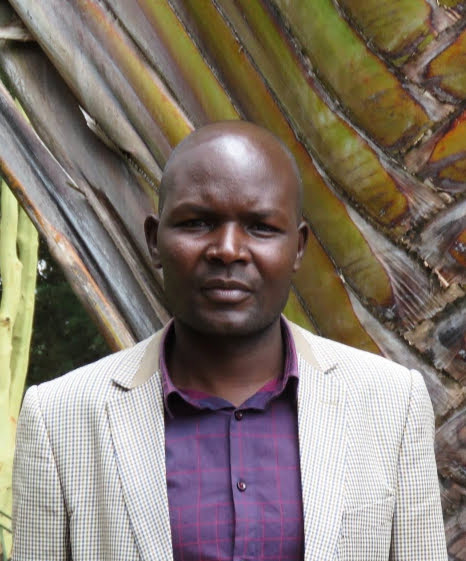
Dr. Edris N. Omondi (Advocate)
A Testimonial of Transformation:
Mary Adero, a mother of three and a widow, was once a roadside vendor along Ahero-Katito road in Kisumu County, struggling to access proper healthcare for her family. For years, she grappled with the challenge of balancing her business and the well-being of her loved ones, often unable to afford even the most basic medical services. However, three years later, her life has taken a transformative turn. Mary now, not only runs her business with ease but also can afford to pay school fees, commute from her home in Ahero municipality to her business space at Oile Market in Kisumu town, and feed her family comfortably.
This change came when Mary became a beneficiary of an Indigent Health Scheme, an initiative by the County Government of Kisumu in collaboration with a partner whose ilk was to improve access to quality health cover. The scheme provided free healthcare services at local clinics, along with referral services, including inpatient and outpatient care, all at no cost to Mary.
As a result, not only has Mary’s health significantly improved, but so has her productivity. Her face now radiates with hope, a testament to the impact of affordable healthcare and the possibilities it opens for those who need it most.
Kisumu’s Health Landscape: Current Situation and Disease Prevalence
Kisumu County, is faced with unique health challenges due to its geographical location, economic activities, and the socio-economic status of its population. Malaria, HIV/AIDS, diarrheal diseases, and respiratory infections remain the leading causes of morbidity and mortality. Additionally, the rise of non-communicable diseases such as hypertension, diabetes, and cancer is also growing raising great concern in the region.
Malaria is a major health challenge, with Kisumu being one of the counties most affected by the disease in Kenya. It thrives in the warm, humid environment around Lake Victoria and remains a leading cause of hospital visits, especially for children and pregnant women.
HIV/AIDS continues to affect many in Kisumu, with the county having one of the highest HIV prevalence rates in the country, which impacts productivity and increases healthcare costs.
This challenges among many, need assessment, pushed Kisumu County to develop the health initiative Indigent Scheme, which was to address health inequities by providing healthcare services to low-income and vulnerable communities. This can be a starting point for counties as they await the National indigent policy.
The Success of Indigent Scheme:
What Kisumu achieved by initially covering approximately 45,000 indigents through the scheme, is a penumbra and a better version of what the Universal Health Coverage (UHC), under its health benefit package was to accomplish in Kenya. Kisumu County Health indigent program is a perfect example of how a county government can develop interventive measures for its population amidst National health scheme implementation challenge. Other countries across the world have, legislations in place and policies that have increased their health budgetary allocation and succeeded in implementing the same.
For instance, Brazilian Unified Health System-Brazil’s Sistema Unico de Saude (SUS), a public funded health system does provide free healthcare to all Brazilians citizens and was established with a view to rationalize disparity in the country and focus on equity and quality. The system has significantly improved the health of the population, increased productivity and the life expectancy of Brazilians. Studies have shown that as healthcare access improves, so does workforce participation and output, especially in rural and underserved areas. Also, Thailand, has similar scheme-the Thailand Universal Health Coverage (UHC) Scheme, Rwanda has the Rwanda’s Community-Based Health Insurance (CBHI)- Mutuelle de Sante and South Africa has a similar scheme -South Africa’s National Health Insurance (NHI). All these schemes have led to an increment on employment rate, fewer sick days, improved worker efficiency, and greater overall economic productivity. The focus of all these schemes are the disadvantaged and low-income population, of which Kenya should follow suit.
Strengthening the Scheme and Building Partnerships
Governor Nyong’o’s ability to build partners is commendable. He is one in a million and the health indigent stop gap measure is profound. However, sustainable health schemes should be the national government responsibility, and indeed the Ministry of Health should fully take the responsibility of implementing article 43 (1) (a) of our Constitution -every person has the right to the highest attainable standard of health. This is non-negotiable, considering that county governments have no budgets of their own and funds continuously delay, affecting capitation arrangements or direct programs.
Like many well-intentioned initiatives, there are concerns about the sustainability of county governments-based health schemes, particularly given the fear of partners withdrawing funding or facing delays in financial support. The most recent tinkering experience, is the withdrawal of crucial health funding from Kenya by the Trump administration, hence disrupting health services and operations.
As the National Government figures out on appropriate health schemes, county governments like Kisumu, can continue on expanding its partnership strategies to ensure their citizens are productive and healthy as counties cross borrow and share formidable implementable ideas for the sake of their individual population. Here are some key strategies for improvement:
1. Expanding Coverage: The current scheme only covers 45,000 indigent individuals. Renewed negotiations can be encouraged to target not only the poor of the poor, but also the vulnerable groups such as the elderly, orphans, and informal sector workers who are often left out of mainstream health insurance schemes like NHIF/SHA.
2. More Public-Private Partnerships: Expanding partnerships with local pharmacies, hospitals, and healthcare providers is essential. Kisumu County can work more closely with the private sector to bring down the cost of healthcare services, ensure timely drug supply, and offer specialized care for chronic diseases.
3. Strengthening Community Health Workers (CHWs): Community health workers play a vital role in preventive care and health education. Kisumu should invest in training and equipping CHWs to ensure they can help reach remote populations and prevent disease outbreaks at the community level.
4. Improved Digital Health Systems: Incorporating digital health technologies such as electronic health records, telemedicine, and mobile health apps could enhance access to healthcare services, especially in remote areas.
Global Studies on Health and Productivity
The link between health and productivity has been well established globally. A healthy workforce is more productive, more innovative, and contributes more to economic growth. Several global studies highlight the importance of health as an economic asset:
1. The World Health Organization (WHO) found that every $1 invested in improving population health yields a return of up to $9 in economic productivity due to reduced healthcare costs and increased labor productivity.
2. In Turkey, investments in health systems have shown a strong connection between improved healthcare access and economic development. Turkey has made remarkable progress in improving health services for rural populations, and its economy has grown significantly as a result.
3. In Singapore, where the government places a high priority on healthcare, studies have shown that a healthy population is one of the key reasons for the nation’s high productivity levels. The country’s comprehensive healthcare system, which includes universal health insurance, has contributed to its success as a global economic hub.
Conclusion
A healthy society is the cornerstone of a productive economy. Kisumu County has made significant strides in improving health access for its residents, but there is still work to be done. However, the bulk of responsibility to take care of its citizen is dependent on National Government formidable, practical and implementable health policies that affect the indigent, vulnerable and the aged in our country. As the county independently develop there indigent policy, the focus must be on creating systems that not only provide health access but also encourage proactive health management at the community level, thereby driving sustainable economic developmen