
By Anderson Ojwang
A new political landscape is fast unfolding in the country ahead of the 2027 general elections. It could lead to a scramble for top positions in the government, elective, and party seats, respectively.
In a radical shift from once passive players in the country and county political landscape, today women have become the pullers and pushers of the political agenda in the nation.
The formation of G-7, a caucus that brings together the country’s seven women governors and patronized by Mama Ida Odinga is out to cash on the UN meeting of 1995 in Beijing, which laid out the third gender rule.
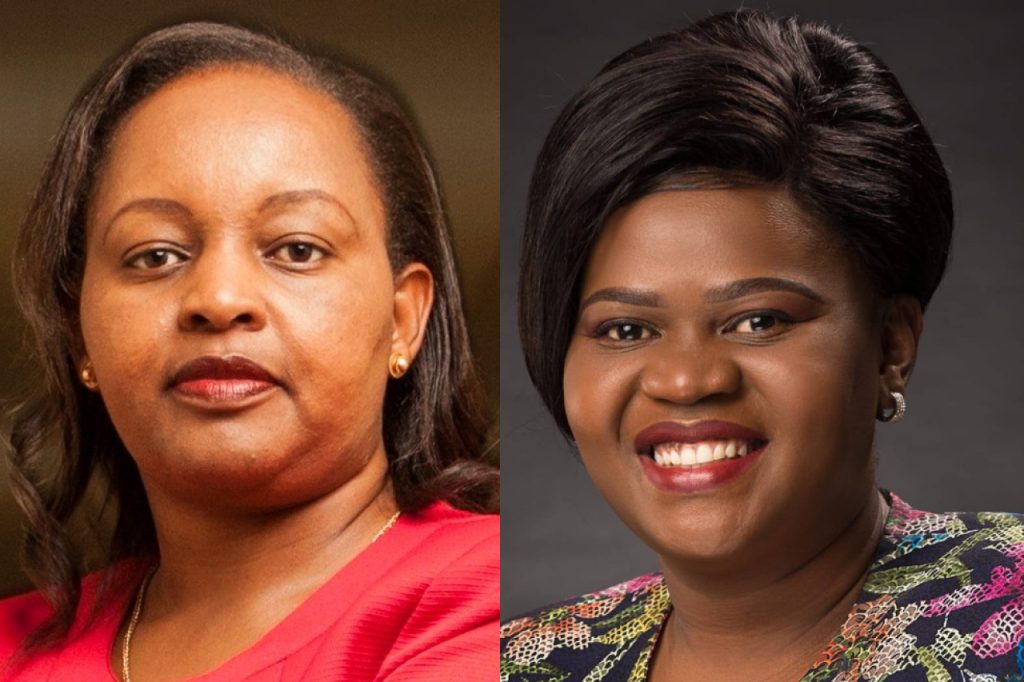
The G7 group includes Anne Waiguru, the current Chair of the Council of Governors and Governor of Kirinyaga, alongside Wavinya Ndeti of Machakos, Kawira Mwangaza of Meru, Susan Kihika of Nakuru, Fatuma Achani of Kwale, Cecily Mbarire of Embu, and Gladys Wanga of Homabay.
Previously, the United Nations had organized four world conferences on women. These took place in Mexico City in 1975, Copenhagen in 1980, Nairobi in 1985 and Beijing in 1995.
The 1995 Fourth World Conference on Women in Beijing marked a significant turning point for the global agenda for gender equality.
The Beijing Declaration and the platform for action, adopted unanimously by 189 countries, is an agenda for women’s empowerment and is considered the key global policy document on gender equality.
With the endorsement of mainstreaming of the third gender rule by President William Ruto and the immediate former leader of the Orange Democratic Movement (ODM) Raila Odinga, G-7 is out to change the country’s socio-economic and political matrix.
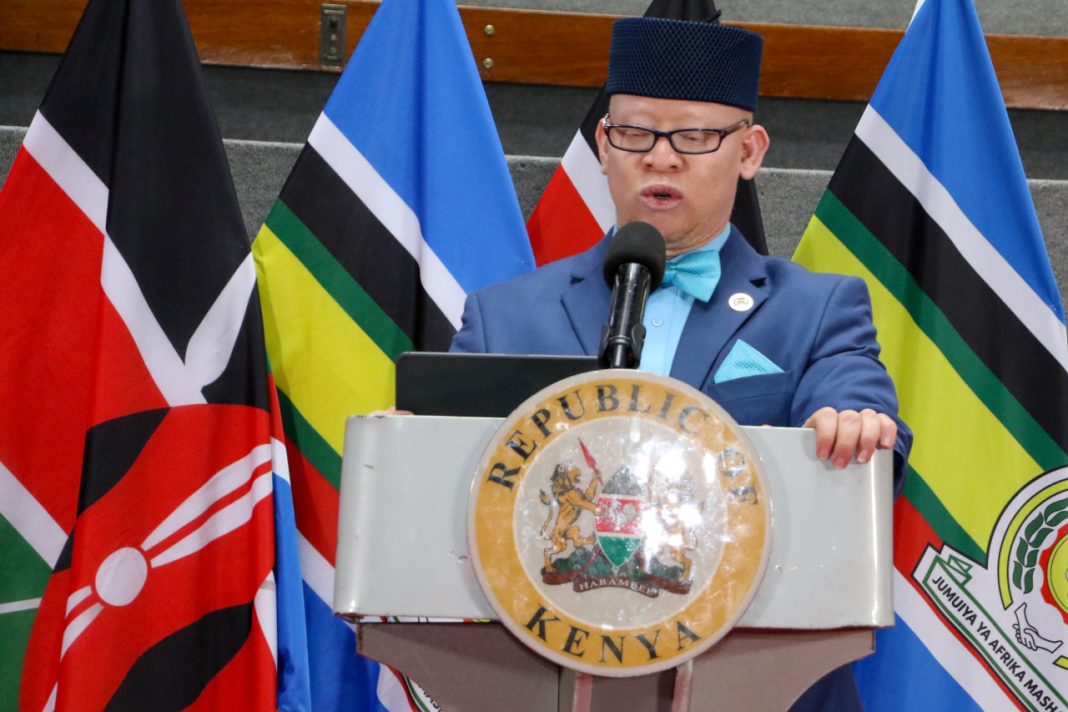
During the launch of the Women Governors Caucus G7 Strategy in Nairobi, Ruto said that his government has pursued radical strategies to actualize the constitution’s gender inclusion threshold and will lead at the front in highlighting his pledge.
He therefore tasked the UDA party chairperson Cecily Mbarire to formulate a new set of laws that will require a male presidential candidate to have a female running mate and vice versa.
“When Riggy G (DP Rigathi Gachagua) and myself agree on how things will go in the future we must also agree that going forward if a man is a candidate for president the woman must be a running mate and if a woman is a candidate then a man should be the running mate,” Ruto said amid a cheering crowd then.
He added: “We must be deliberate and intentional about it otherwise it will never happen. The same should also be made mandatory for Governors and all leadership positions within the party,” he said.
Already, the caucus recently achieved a milestone after it supported the appointment of Homa Bay governor Gladys Wanga to ODM national chair, a powerful seat that was previously male-dominated after the party came into existence in 2007.
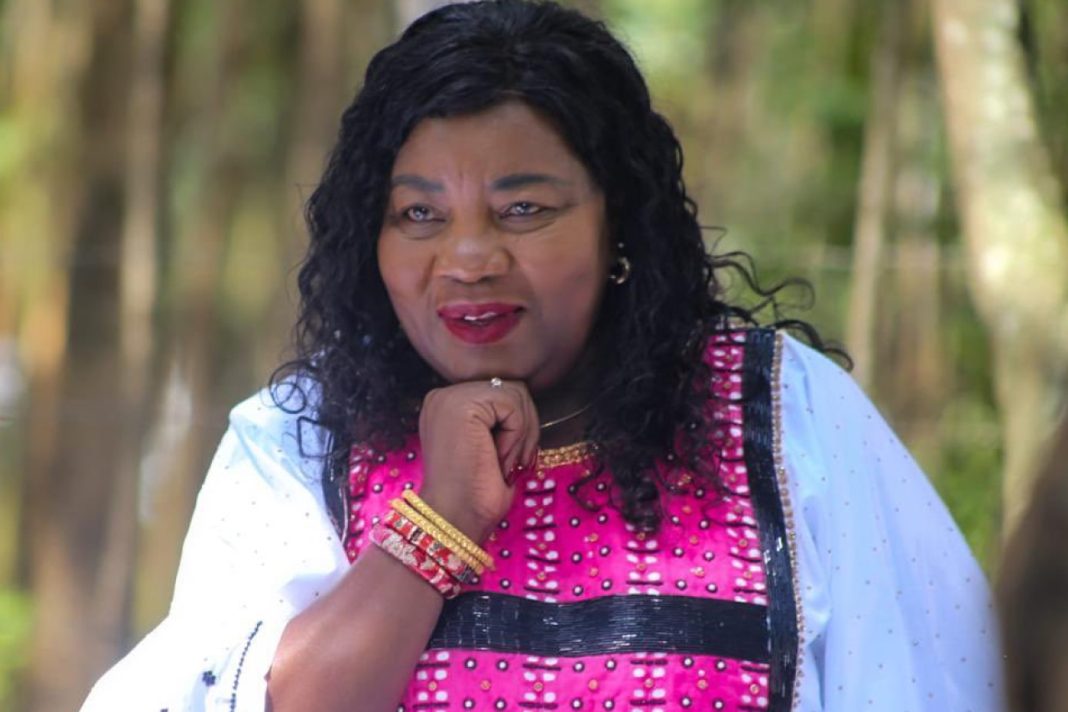
Mama Ida in an Interview with The Western Insight Media said the G-7 will be a game changer in the country’s social-economic and political landscape of the country.
“We are not only driven by politics but the general welfare of women and how to economically empower them and to reduce dependency ratio. How can we give women both in leadership and outside leadership power to make informed choices and generate wealth?” she said.
Mama Ida said the agenda of the caucus was to ensure that in the next general elections, the number of female governors should have tripled from the current seven to at most twenty-four.
She said it was unfortunate that men currently hold forty governor seats, and this defeats the sole objective of gender equality.
‘It is sad that out of the seven we have; men are already scheming to take one away. This is why we are united for a common purpose/ watch the space. We will change the conversation,’ she said.
Mama Ida said the caucus has arranged a series of meetings across the country with the main objective of capacity-building the women and economic empowerment.
She said that the last two meetings in Kirinyaga and Machakos counties witnessed the provision of various economic drivers to women groups to enhance wealth creation and financial stability.
“In Kirinyaga county, women groups from Mwea received rice processing machines and driers, similarly in Machakos, they received sunflower seeds, beekeeping facilities, and poultry among other incentives. We want to draft our own story in the economic empowerment,’ she said.
Mama Ida said the caucus was also thinking of forming a G-7 bank for women where they can save and get loans to empower themselves.
She said financial stability would go a long way in enabling the female folk to achieve their political agenda without having to rely on men for funds and ‘donation of political seats.’
Mama Ida said the women folk were repositioning themselves for a stab in the country’s presidency, governor, national assembly, and county assembly seats.
“We have already rolled out our campaigns that within the next three years, we shall have strategically identified our candidates and mobilized enough resources to support their campaigns,” she said.
Mama Ida said 60 percent of votes cast in all elections in the country are from women and it was important that they cash on their numerical advantage to take over various leadership cadres in the nation. Governor Waiguru, there is a need to accelerate bridging the gap in top leadership positions.
“Women are not just beneficiaries of development efforts but are powerful agents of change, catalysts for economic growth and pillars of societal stability thus the need to invest in their empowerment,” she said.
Governor Ndeti who also spoke in Kirinyaga called on her counterpart Anne Waiguru to seek national office.