
By Billy Mijungu
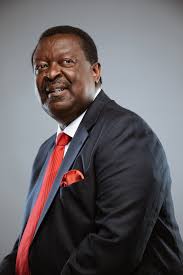
Dreams of changing the Supreme Law could collapse before they even begin. It is already settled in law and precedent that a champion of constitutional amendment cannot be Musalia Mudavadi just as it could not be Uhuru Kenyatta and Raila Odinga. The credibility and legitimacy of the messenger matters as much as the message and on constitutional change Mudavadi is starting from a position of weakness.
Mudavadi argues that constitutional compliance and election validity could be at risk if the law is not amended. He points to overdue electoral boundary reviews last done in 2012 which he terms a breach of the 2010 Constitution. This issue however does not require constitutional change. The Supreme Court and existing legal frameworks can guide the process without opening the country to a risky amendment drive.
He further raises the twelve month rule for boundary changes as a legal and logistical hurdle. Again this is a matter of interpretation and sequencing within existing law not a justification for rewriting the Constitution. To suggest that without amendments the 2027 elections risk nullification is an exaggeration that borders on fear mongering and an unnecessary pressing of the panic button.
On census data Mudavadi cites the 2019 census challenges in Mandera Wajir and Garissa and the pending mini census. While inconsistencies were noted population growth is organic and anchored on a foundational base. The solution is a credible and professionally conducted census not constitutional change. Inconsistent data does not invalidate the Constitution it exposes administrative failure.
Mudavadi also raises representation and structural limits arguing that the constituency cap of 290 blocks fair redistricting for high growth areas and that ward caps hinder equitable local representation. This argument ignores public sentiment. Kenyans want fewer constituencies and fewer wards to reduce the cost of governance not an expansion of political offices. Any proposal that increases the cost of governance is instinctively rejected by the public and history has proven this repeatedly.
He proposes a referendum to remove caps for fairer resource distribution yet this claim is untested and largely theoretical. More seats have never translated into better services only higher wage bills.
On governance and devolution he proposes protecting the National Government Constituencies Development Fund which should not exist in the first place as it directly offends the spirit and letter of devolution. He further proposes a Senate Oversight Fund and a Ward Development Fund yet Parliament and County Assemblies are already funded as oversight institutions. Creating parallel funds only weakens accountability.
The only proposal that could reasonably sail is the formalization of a Prime Minister and two Deputies. However even here the proposal for a Leader of Official Opposition contradicts the current framework where everyone is effectively in government. Still if creatively structured within Parliament it could enhance accountability by holding the Premier to account.
Finally the failure to meet the two thirds gender rule does not require constitutional change. Parliament already has the tools to resolve it through legislation and political goodwill.
Constitutional change is not a cure for political indecision or administrative failure. Mudavadi should remember that reality.