
By Billy Mijungu
There is a quiet shift this Labour Day. It is not celebration, but reflection and frustration. The payslip has changed meaning. What once signified dignity and reward now reads like a list of deductions. For many workers, income no longer supports a stable life. It only sustains survival.
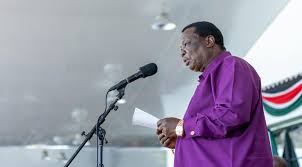
This moment forces a difficult conversation about leadership and accountability. At the center stands Francis Atwoli, a figure who has led the labour movement across multiple political eras. Longevity can signal experience, but it also raises questions when outcomes decline. Today, those questions are unavoidable.
The cost of living continues to rise. Fuel prices affect transport and food, stretching household budgets. Yet wages have not kept pace. Workers earn the same, but afford far less. Real income is shrinking, and families must constantly adjust just to get by. Stability has quietly given way to uncertainty.
Healthcare, once a pillar of worker protection, is now uncertain. The Social Health Authority promised universal coverage, but concerns about financial integrity have shaken confidence. Reports of irregularities and fraudulent claims raise serious doubts. Workers continue to contribute, yet the assurance of reliable care feels fragile.
Housing reflects a similar contradiction. The housing levy collects significant funds, yet many contributors see little benefit. Questions around transparency and slow delivery persist. When workers sacrifice part of their income, they expect results. Delays and unclear processes deepen frustration.
At the same time, taxation weighs heavily on the payslip. Multiple deductions leave workers with reduced take home pay. In a stable economy this might be manageable, but combined with rising costs it becomes overwhelming. Workers are contributing more while experiencing less.
The private sector is also under strain. Businesses face high costs and policy uncertainty, leading to layoffs, hiring freezes, and closures. Job security is weakening, and opportunities for young people are shrinking. Economic anxiety is spreading across the workforce.
These challenges point to a broader trust deficit. Workers question governance and accountability when funds linked to their contributions are flagged for mismanagement. They ask who is responsible and whether systems truly serve them.
Labour leadership should defend workers, yet many feel that voice has softened. It appears too aligned with power instead of firmly representing workers’ interests. The question now is whether leadership can still respond to present realities.
Labour Day should celebrate progress and fair wages. Instead, it exposes deeper systemic issues. The shrinking payslip has become a symbol of economic strain and lost confidence.
Recognition without reform is not enough. Workers are asking for fairness, transparency, and leadership that delivers. Until then, the call for change will only grow louder.